Caribbean immigration advocacy groups on Saturday, Feb. 7, welcomed New York City Mayor Zohran Mamdani’s initiatives to protect Caribbean and other immigrants in the city.
On Friday, the mayor announced and signed an executive order on sanctuary policies to strengthen protections for Caribbean and other immigrant New Yorkers – and the public safety of all New Yorkers.
The executive order will expand the Department of Investigation’s oversight of compliance with sanctuary laws and establish a partnership with the City Council to strengthen protections and accountability.
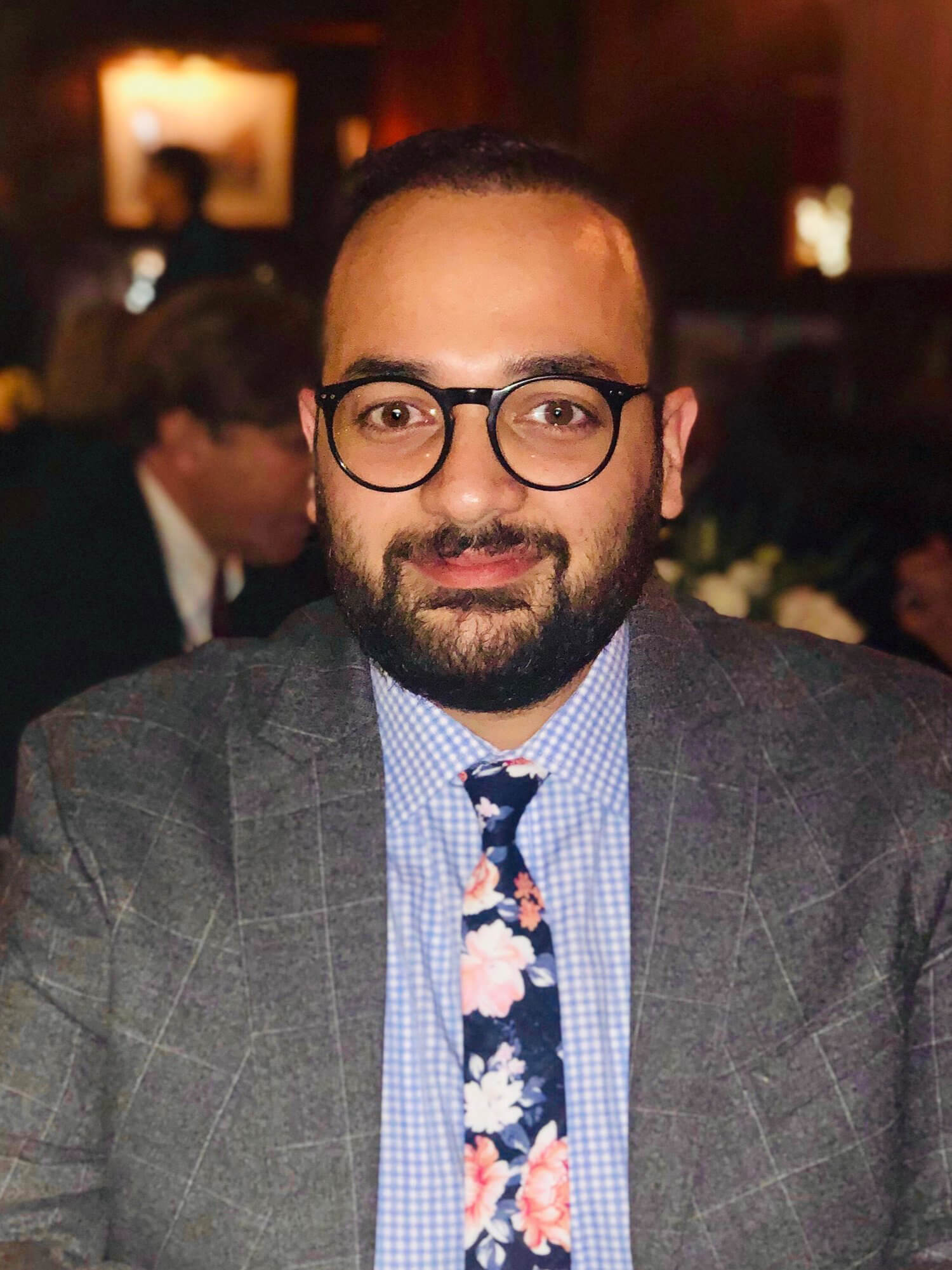
Noting that New York is a city built and maintained by immigrants, Murad Awawdeh, president and CEO, New York Immigration Coalition (NYIC), told Caribbean Life that the mayor’s “will bring us closer to a city where every New Yorker can live in safety and dignity.”
NYIC is an umbrella policy and advocacy organization that represents over 200 immigrant and refugee rights groups throughout New York.
NYIC is an umbrella policy and advocacy organization that represents over 200 immigrant and refugee rights groups throughout New York.
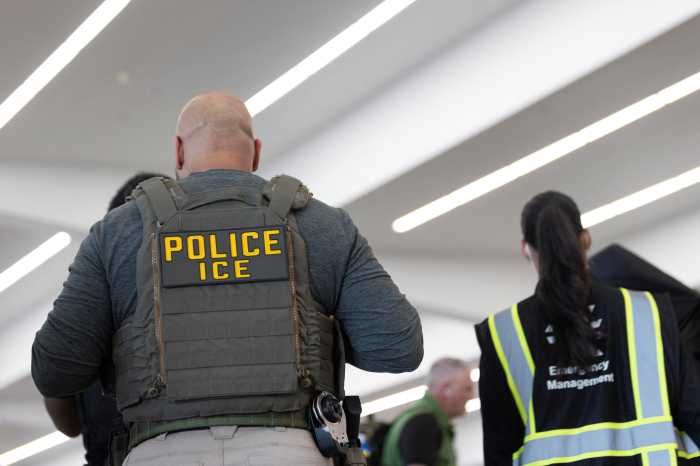
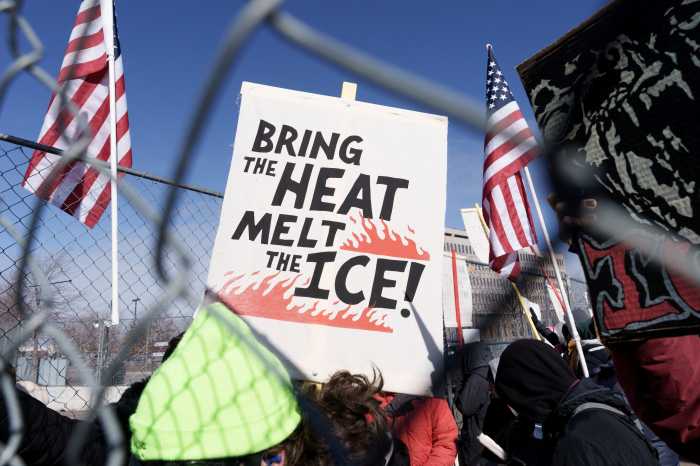
“The federal government is waging a lawless and unaccountable campaign of terror against immigrants across the country and right here in New York City,” Awawdeh said. “From our streets to our courthouses, immigrant New Yorkers are forced to look over their shoulders in fear.
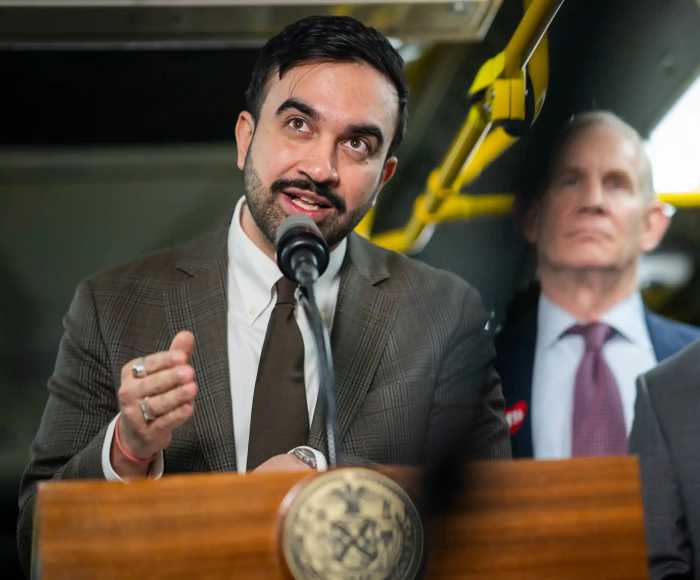
“Mayor Mamdani’s announcement recognizes his responsibility to defend all residents from abusive immigration enforcement, and our moral obligation to protect our immigrant neighbors from these attacks,” he added. “We applaud Mayor Mamdani for taking decisive action to fight for our immigrant neighbors.
“We look forward to implementing these public safety initiatives together with City Hall, and affirming New York’s values of welcome and inclusion,” Awawdeh continued.
The mayor’s executive order also includes a prohibition on the United States Immigration and Customs Enforcement (ICE) agency entering New York City property without a judicial warrant, including schools, shelters, and hospitals; enhancement of privacy protections to avoid New Yorkers’ private data from being unlawfully accessed by the federal government; a public safety audit report submitted to the NYC Mayor to ensure essential NYC agencies comply with City laws; and the creation of an interagency committee to coordinate policy in the event of a major crisis.
Make the Road New York (MRNY), another immigrant advocacy group, also welcomed the mayor’s action.
Make the Road New York (MRNY), another immigrant advocacy group, also welcomed the mayor’s action.
“Everyone in New York, whether their family arrived yesterday or generations ago, deserves to live in safety,” Natalia Aristizabal, MRNY’s deputy director, told Caribbean Life. “At a time when immigrants are being subjected to brutality and terror from masked federal agents, we welcome Mayor Mamdani’s executive orders to protect all New Yorkers.
“The mayor’s swift action reflects the urgency of this moment and the power of immigrant communities to organize and advocate for political solutions to curb the federal government’s cruel mass deportation agenda.”
Aristizabal said that Friday’s executive orders “strengthen New York City’s robust laws that protect our communities from overreach by the federal government.
“These are common-sense policies to counter federal officials that are increasingly violent and out of control,” she said. “We look forward to working with the Mamdani administration to ensure that everyone who makes their life in this city has the opportunity to thrive.”
“These are common-sense policies to counter federal officials that are increasingly violent and out of control,” she said. “We look forward to working with the Mamdani administration to ensure that everyone who makes their life in this city has the opportunity to thrive.”
At the first annual Interfaith Breakfast of his administration on Friday, Mayor Mamdani announced sweeping new actions to uphold New York City’s sanctuary city laws and protect Caribbean and other immigrant New Yorkers.
The breakfast brought together nearly 400 faith and community leaders from across the five boroughs.
During the event, Mamdani signed the comprehensive executive order, which reaffirms the city’s commitment to being a sanctuary for all New Yorkers.
The breakfast brought together nearly 400 faith and community leaders from across the five boroughs.
During the event, Mamdani signed the comprehensive executive order, which reaffirms the city’s commitment to being a sanctuary for all New Yorkers.
“Across this country, day after day, we bear witness to cruelty that staggers the conscience. Masked agents, paid by our own tax dollars, violate the Constitution and visit terror upon our neighbors,” he said. “That is why this morning, I am signing an executive order that will strengthen our city’s protection of our fellow New Yorkers from abusive immigration enforcement.
“This order is a sweeping reaffirmation of our commitment to our immigrant neighbors,” the mayor added.
He also launched a citywide “Know Your Rights” push, distributing nearly 32,000 flyers and booklets in 10 languages for faith leaders to share with their congregations.
He also launched a citywide “Know Your Rights” push, distributing nearly 32,000 flyers and booklets in 10 languages for faith leaders to share with their congregations.
Mamdani said the materials provide “clear, accessible information” about New Yorkers’ rights during interactions with federal immigration authorities, including the right to remain silent, to speak to an attorney, and to a translator.
The mayor’s immigrant initiatives come as New York Attorney General Letitia James last week announced the launch of the Legal Observation Project, a new Office of the Attorney General (OAG) initiative to monitor and document federal immigration enforcement activity in New York state and protect New Yorkers’ rights.
Through the project, James said OAG will collect reports of enforcement actions throughout New York and send trained personnel to observe and document that activity where appropriate, as well as any related protests, as they occur.
Through the project, James said OAG will collect reports of enforcement actions throughout New York and send trained personnel to observe and document that activity where appropriate, as well as any related protests, as they occur.
“These legal observers will serve as neutral witnesses on the ground, recording information that may inform future legal action,” she said. “As federal immigration enforcement activity increases nationwide, the Legal Observation Project will help ensure that accurate, real-time information is collected and preserved, and that any violations of law are identified.
“As Attorney General, I am proud to protect New Yorkers’ constitutional rights to speak freely, protest peacefully, and go about their lives without fear of unlawful federal action,” the attorney general added. “We have seen in Minnesota how quickly and tragically federal operations can escalate in the absence of transparency and accountability. My office is launching the Legal Observation Project to examine federal enforcement activity in New York and whether it remains within the bounds of the law.”
James said the project, staffed by trained OAG employees participating on a purely voluntary basis, will begin monitoring enforcement actions in the coming weeks.
When necessary, she said OAG will send teams of legal observers to the location of reported immigration enforcement activity, outfitted in easily identifiable, purple OAG-branded safety vests, to witness and document enforcement actions.
When necessary, she said OAG will send teams of legal observers to the location of reported immigration enforcement activity, outfitted in easily identifiable, purple OAG-branded safety vests, to witness and document enforcement actions.
Caribbean immigration advocates have also welcomed “vital steps” by New York Gov. Kathy Hochul to protect Caribbean and other immigrants in the state.
Hochul has announced the introduction of the “Local Cops, Local Crime Act”, which outlines a framework to limit 287(g) agreements in New York, provide partial safeguards for sensitive locations, keep local police focused on fighting local crime, and prevent ICE from diverting local law enforcement resources.
Hochul has announced the introduction of the “Local Cops, Local Crime Act”, which outlines a framework to limit 287(g) agreements in New York, provide partial safeguards for sensitive locations, keep local police focused on fighting local crime, and prevent ICE from diverting local law enforcement resources.
Awawdeh told Caribbean Life that collusion between ICE and local law enforcement is “informal and largely opaque, and extends beyond formal partnerships with local law enforcement to affect numerous aspects of state and local operations, from local jails and probation to public-facing services and benefits.”
But while 287(g) agreements represent one component of federal-local collaboration, Awawdeh said the governor’s proposal “does not fully address these broader mechanisms, leaving gaps in protections for immigrant New Yorkers.