Caribbean students in the United States, including those from Antigua, where changes to the visa system take effect this week, are rushing back to campuses to avoid any immigration hassles, as local media reports.
The rush to head back to colleges has much to do with a recent decision by the Trump administration to suspend some categories of visa access to citizens of Dominica and Antigua, as Washington used the excuse of its alleged discomfort with the sale of passports and citizenship to foreigners as a ruse to clamp down on traveling.
The issue has since been partially resolved following emergency consultations between the governments and the State Department, with those possessing valid visas still being allowed to travel to the US.

The suspensions should have taken effect from the start of the year, but Dominican Prime Minister Roosevelt Skerrit, for example, has said that the temporary settlement of the issue will allow for the “anxieties that we all would have should be set aside.”
The same is true for Antigua, but the Observer Newspaper reports that dozens of local students have already cut short their vacations and left the federation with Barbuda to avoid any hassles from immigration officials in the US.
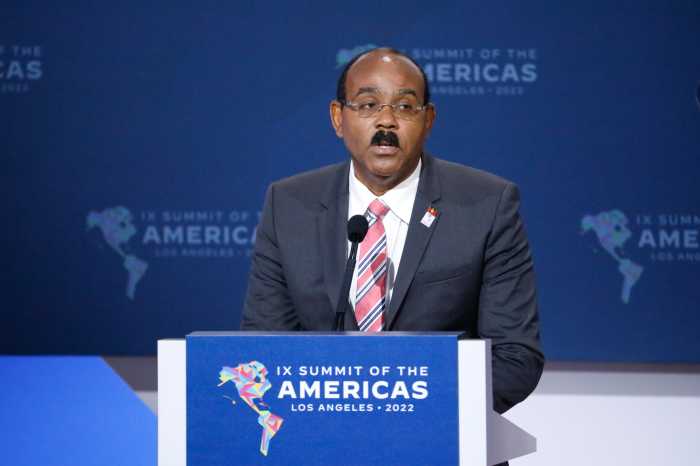
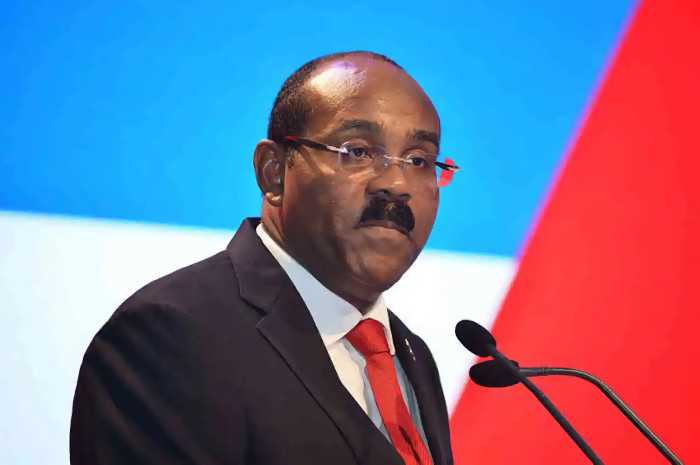
Those heading back were in the federation, enjoying some sunshine during the Christmas break. Both PM Skerrit and Antigua’s Gaston Browne have said that talks with the administration are continuing to ensure the issue is resolved fully.
Washington had also cited the practice by some Caribbean destinations offering cash investments for passports and citizenship, not to make it mandatory for applicants to be residents or spend time in the jurisdictions, saying this is risky and weakens background checks on them.
As an indication of the visa’s impact on Dominica, for example, the opposition United Progressive Party (UPP) ensured it referred to the situation in its New Year’s message. UPP Leader Joshua Francis said that “we hope that the ongoing visa issue with the United States will be resolved swiftly, allowing Dominicans to once again travel to the US unhindered. Similarly, we hope that our access to Ireland, Norway, and the United Kingdom will be restored, reopening pathways that many Dominicans have relied upon for work, study, and family connections. Beyond resolving these travel restrictions, Dominica must take its rightful place on the global stage, forging partnerships that bring investment, trade opportunities, educational exchanges, and technological advancement to our shores.”