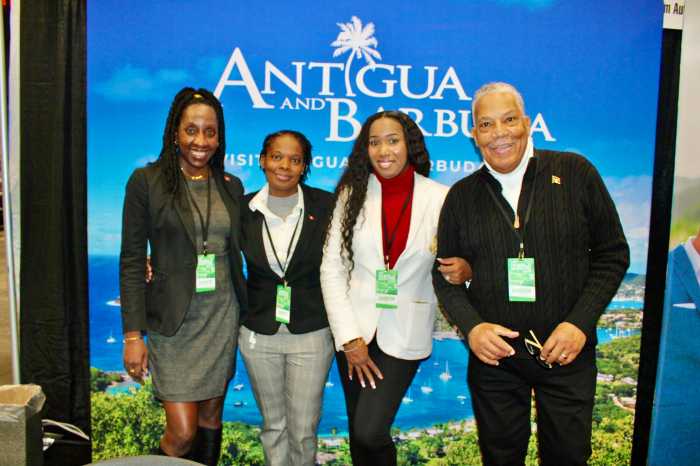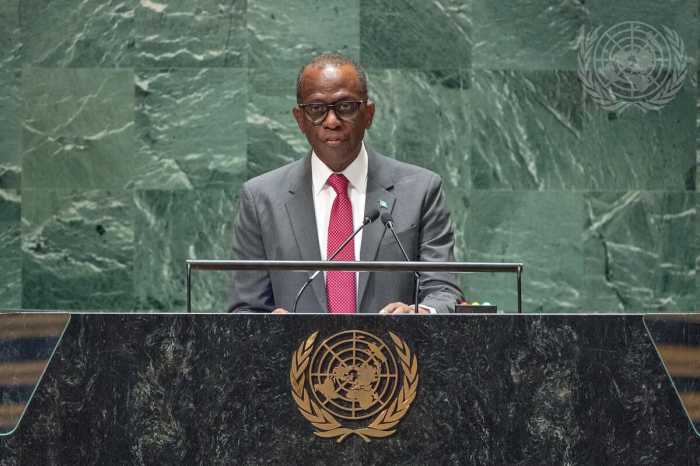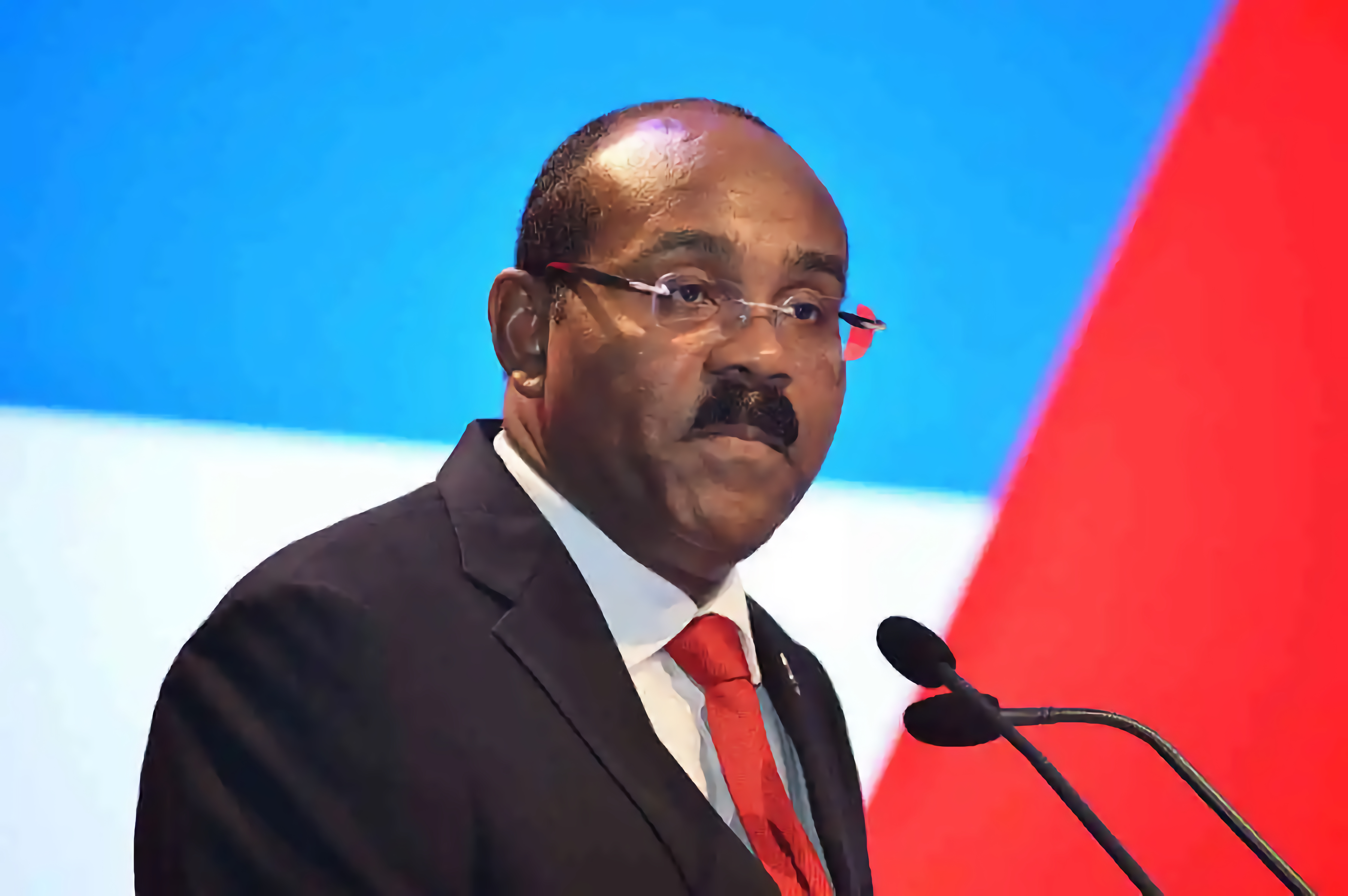
In unusual but frank remarks, Antiguan Prime Minister Gaston Browne is discouraging locals from traveling to the U.S., saying they should do so only in urgent and important cases because federal agents are way too aggressive.
Speaking on a weekend radio program, Browne says he is even reluctant to travel to the U.S. as a head of government, even with a valid U.S. visa.
“I don’t know why anyone should be rushing into the United States at this time unless it is really critical. When you look at how aggressive ICE is at this time, even to individuals who are American, just imagine as a non-belonger and someone who is Black with a different accent on the streets of the U.S. And even though I’m PM, and even if I were not the prime minister, I would not necessarily want to be in the U.S. You don’t know who these ICE people are likely to be. Next thing you get picked up, next thing they hurt you,” he said.
He also announced that the U.S. is overhauling its visa system, and there are indications that amendments going forward could limit visas to a three-month term, possibly with a single entry.
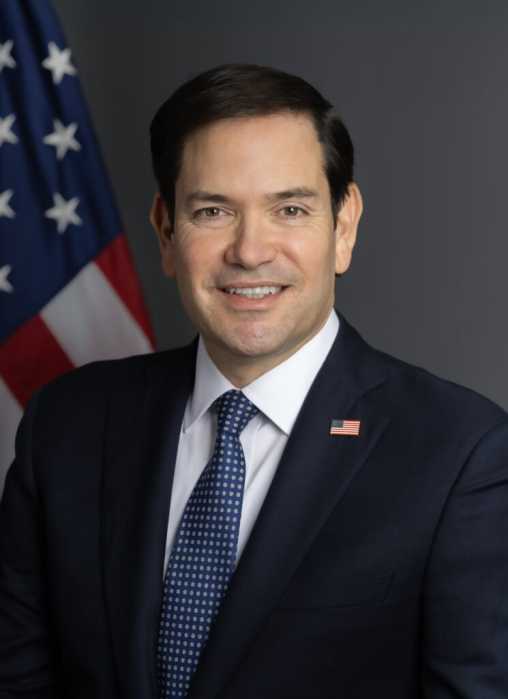
Regional media reports from Antigua and Dominica indicate that nationals may soon be downgraded from standard 10-year visas to the new category. Browne said that Secretary of State Marco Rubio had explained the overhaul during a session with leaders at last week’s summit in St. Kitts. He said that he did raise the issue of suspensions of visas for Antiguans and Dominicans with Rubio and he did offer an explanation to the leaders.
“His response to me in the presence of all of my other colleagues was that these restrictions are temporary. What they are seeking now is to have a new visa policy, which they hope to have it completed, let’s say by the end of June, which evidently will affect all of us, whatever those adjustments may be, so he said that we ought not to take it as an attack on Antigua and Barbuda and Dominica. He said that it is a global rollout of a new policy. Evidently, they have had to use some countries as examples, and unfortunately, Antigua and Dominica ended up as two of the countries in CARICOM.”
He contended that the U.S. visa changes will affect the entire Caribbean in the coming months, noting that, as Rubio suggested, the U.S. wants to curb illegal immigration, as “the U.S. has become wary of our citizens literally overstaying and at the same time accessing their services.”
But he did say that most of the Eastern Caribbean island nations have populations of under 200,000, so the percentage of overstays should be minuscule, about- 1.3 to 1.4 percent- to be consequential. “So, our populations are too small for any overstay to be consequential to the U.S., but at the same time, I imagine that they are looking at the principle and based on the whole ethos of having a change in immigration policy and to better protect their borders,” Browne stated.