Barbados’ government says it expects a call from the Trump administration at any time regarding the acceptance of deportees from the US whose home countries have not agreed to their return, noting that an approach from Washington is likely.
Minister of Foreign Affairs Kerrie Symmonds says it is clear to the cabinet that the State Department is canvassing regional member states about signing on to the so-called third country deportee program, a policy under which immigrants with rejected asylum claims and visa overstay problems, among other immigration violations, are transferred to various countries — including those in the Caribbean — for resettlement or processing.
Several Eastern Caribbean countries, such as St. Lucia, Dominica, and Antigua, have joined the program. Others, such as Guyana and Grenada, are considering accepting a small number of deportees, primarily those with professional or vocational skills. Suriname and Jamaica have yet to comment.
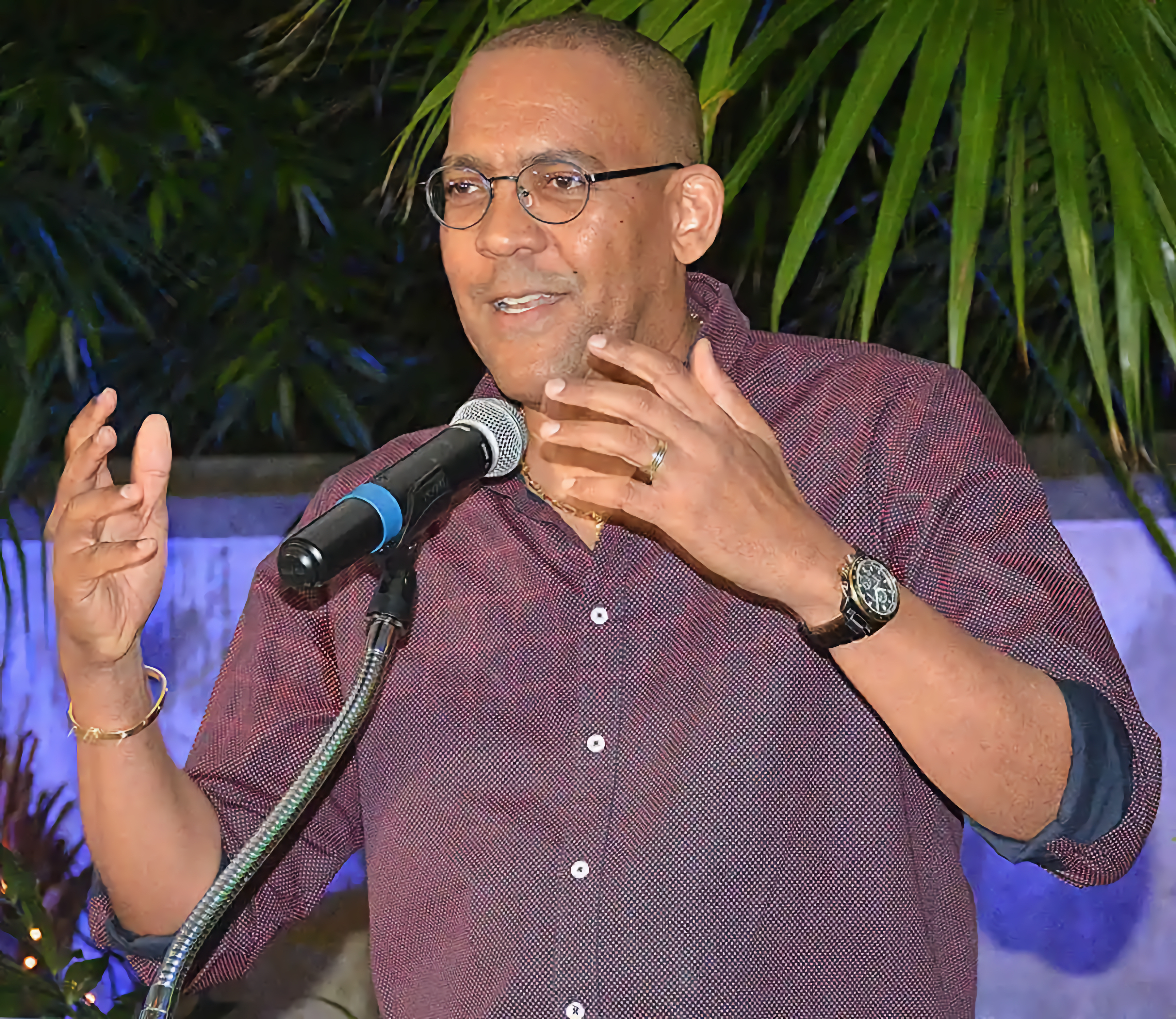
“I would like to think that we would not be left out. They have not reached out to us yet, so we will just wait and see. It is not something we are looking forward to, but the island of nearly 300,000 people will “cross that bridge when the time comes,” the Today online publication quoted him as saying.
Government and civil society actors across the region have suggested that the administration has been using various measures to pressure nations into bowing to its will, including Dominica and Antigua, whose citizens now face severe visa access restrictions in entering the US.
Some countries, such as St. Kitts and Nevis, have stated that they will only accept nationals from the CARICOM bloc, except those from Haiti. In contrast, Guyana and Antigua have signaled their eagerness to take in deportees with skills to fill labor shortages. All of the states that have either signed on to the program or are negotiating to do so have said they will only accept people with no violent backgrounds. They have also indicated that there is a clause in the agreement allowing for opt-out at any time and another clause to reject an unsuitable candidate.
Washington has also been canvassing various nations to allow the Florida-based Southern Military Command to set up high-grade military radar and related facilities in the countries to much resistance from opposition parties and activist groups.
In Trinidad and Tobago, for example, Prime Minister Kamla Persad-Bissessar has already granted permits for the US to set up a radar facility in Tobago, which officials have credited with a recent major drug find in nearby Trinidad.