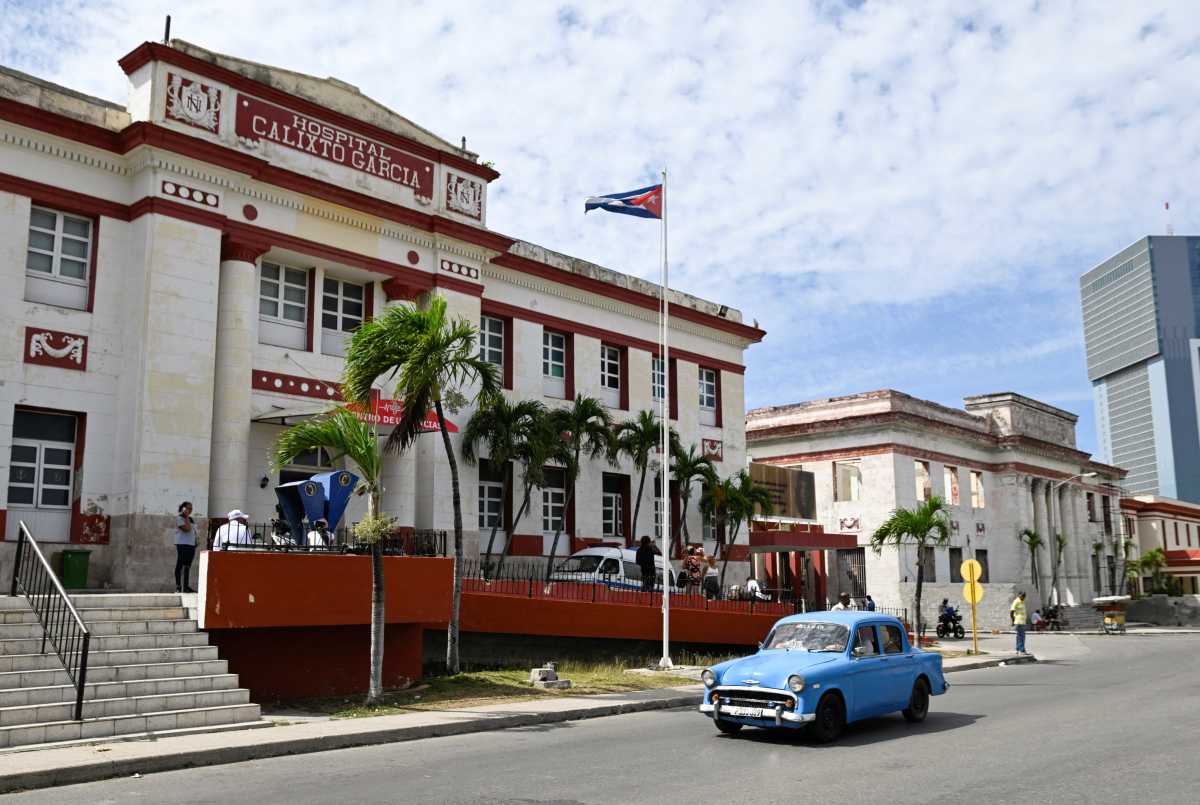
Southern Africa apart, the Caribbean region — which perhaps has benefitted the most from decades of Cuban aid — says it is moving to fulfill a promise to send millions in relief supplies to the finance and power-starved island as its economy hovers on the brink of collapse.
A statement this week from the Guyana-based Caribbean Community secretariat appeared to have been released to erase mounting doubts about whether the region has been recalcitrant in organizing aid to Cuba in the wake of a collective decision taken at last month’s regional leaders summit in St. Kitts.
The announcement has also come in the wake of withering criticism from civil society groups and social media commentators about regional governments cancelling decades-old bilateral contracts with Cuban medical brigade practitioners at the behest of the Trump administration as sympathy for the island’s plight.
Governments like Jamaica, for example, say that they have been forced to pay the Cuban professionals their full rather than partial salaries in the wake of severe pressure from Washington, which had deemed the partial payment arrangements as a form of slave labor and human trafficking.
The 15-nation bloc, founded back in 1973, now says it will be working mainly with Mexico in coordinating the relief supplies for Cuba.
“Items such as powdered milk, including baby formula; non-perishables such as beans, wheat flour, rice, and canned goods; basic medical supplies, solar panels, batteries, and water tanks, will be purchased on behalf of member states and shipped to Cuba. CARICOM’s initiative is supported by the government of Mexico, which has identified suppliers in Mexico able to deliver the items to the port of departure, and which will provide free shipment from Mexico to Cuba,” the statement noted.
The bloc is organizing its relief package just as the first major shipment of medical supplies and solar panels reached Cuba this week. More shipments are underway, the AFP news agency reported.
Meanwhile, the Guardian newspaper in Trinidad is reporting that the twin island federation with Tobago has distanced itself from calls linked to the end of the decades-old economic blockade of Cuba and to ensure that the Caribbean remains a zone of peace, a concept that the current administration in the country had been challenging in recent months.
The paper stated that this occurred at last week’s leaders conference of the Community of Latin American and Caribbean States (CELAC) in Colombia.
T&T, along with Argentina, Chile, Costa Rica, Ecuador, El Salvador, Honduras, Panama, Peru and Paraguay, also disassociated themselves from paragraph seven of the declaration.
It also stated that the federation disassociated itself from a resolution calling on countries which have traditionally voted against the US Cuban blockade to “reiterate the need to end the economic, commercial and financial embargo imposed against Cuba, as well as their opposition to laws and regulations with extraterritorial effects” and its US designation as a state sponsor of terrorism.