The Pan American Health Organization (PAHO), based in Washington, D.C., urged countries of the Americas, including the Caribbean, to strengthen their response to HIV. PAHO warned that around one-third of people living with HIV are diagnosed too late. At this stage, their immune systems are already severely weakened, and their lives are at risk.
PAHO’s call comes ahead of World AIDS Day, observed on Dec. 1. The aim is to raise awareness about early diagnosis, immediate antiretroviral treatment, and access to comprehensive care. These are critical measures for preventing advanced HIV disease, saving lives, and reducing stigma.
According to the latest data, PAHO said an estimated 2.8 million people were living with HIV in Latin America and the Caribbean in 2024.
While the Caribbean achieved a 21 % reduction in new infections since 2010, PAHO said Latin America recorded a 13 % increase over the same period.
PAHO said AIDS-related deaths declined from 42,000 to 27,000 in Latin America and from 12,000 to 4,800 in the Caribbean.
“Our region has made significant progress—from expanding access to long-acting medicines to adopting simplified treatments that transform lives,” said PAHO Director Dr. Jarbas Barbosa. “Even so, the fight is not over. Each year, 38,000 lives are lost in the Americas to HIV-related causes.
“Behind every number is a story, a family, a dream cut short,” he added.
PAHO said around 14 % of people living with HIV in Latin America and 15 % in the Caribbean are unaware of their diagnosis, meaning that more than one-third of cases are detected at an advanced stage, increasing the risk of opportunistic infections such as tuberculosis, cryptococcosis, or histoplasmosis.
PAHO said measures like scaling up screening and diagnosis help accelerate the elimination of HIV as a public health problem. Immediate antiretroviral therapy for those who test positive, and providing PrEP and PEP for at-risk individuals who test negative, are also important.
New forms of long-acting injectable pre-exposure prophylaxis, such as lenacapavir, are available. Lenacapavir is administered every six months and may play a key role in expanding prevention options and advancing HIV elimination efforts, PAHO said.
Advances in medicine and public health have enabled rapid HIV diagnosis. They have also led to effective methods for combined prevention and treatment.
PAHO said current antiretroviral therapies are very safe and effective. These therapies achieve viral suppression to undetectable levels in the blood, a state in which the virus cannot be transmitted sexually.
“To accelerate progress and prevent AIDS-related deaths, we must expand diagnosis,” Dr. Barbosa said. “Increasing access to PrEP and optimizing antiretroviral treatment will also improve the quality of life for people living with the virus.”
With support from Unitaid, PAHO is implementing a regional project to reduce mortality from advanced HIV disease. The project focuses on strengthening evidence and data generation, introducing new tests, and promoting access to treatments for opportunistic infections.
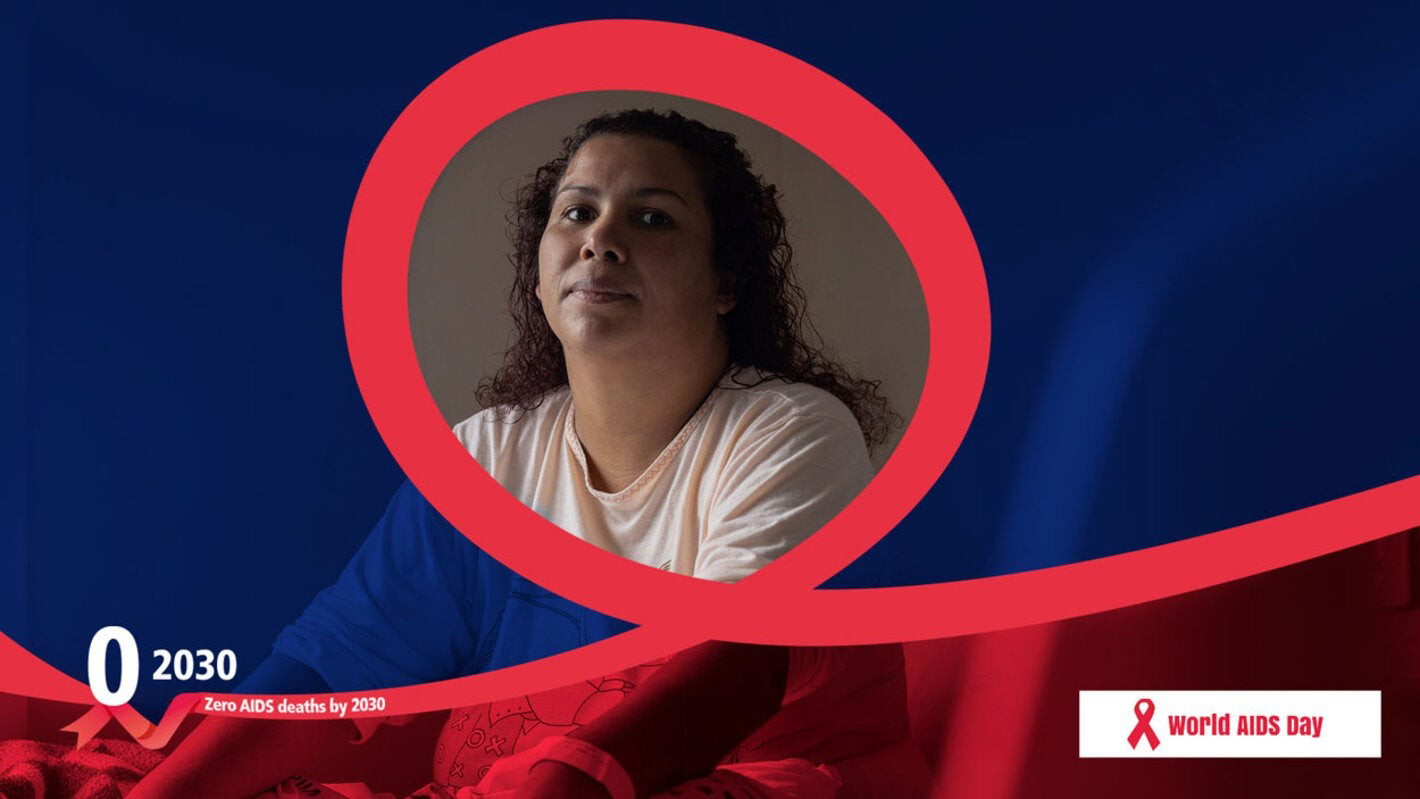
Under the theme ‘Zero AIDS Deaths by 2030,’ PAHO said this year’s World AIDS Day campaign seeks to raise awareness about advanced HIV disease. The campaign also highlights the stories behind the cases and encourages a collective response — from governments, health professionals, and society at large — to achieve elimination by 2030.
As part of commemorative activities, PAHO said a virtual event will be held on December 5. This event will launch the
Regional Alliance for Ending AIDS in the Americas, an initiative designed to strengthen coordination among government institutions, communities, international agencies, and decision-makers. The goal is to drive innovation toward the elimination of HIV.
PAHO said HIV/AIDS is one of more than 30 communicable diseases and related conditions that it aims to eliminate by 2030 under its Elimination Initiative.