Delayed for months, the finance ministry on Monday released results from Guyana’s latest population census, revealing the country’s population surged by nearly 132,000 people since the last count in 2012.
Recording a 17.63 % growth, the ministry stated that increases had been recorded in all 10 administrative regions, including far-flung mountain and jungle regions where cattle ranching, gold and diamond mining, and agriculture are the dominant economic drivers.
In 2012, Guyana’s population was 878,674. Now, as a recent offshore oil producer, the nation is nearing one million residents, ranking fourth in the Caribbean Community behind Haiti, Jamaica, and Trinidad and Tobago.
When presenting the data, the statistics bureau also identified notable growth in the migrant population, now at 3 %, up from 1.10 % in 2022. This rise corresponds with an influx of migrants and investors drawn by the growing demand for skilled workers across various levels in the rapidly developing petroleum sector. Minister of Finance Ashni Singh says a more comprehensive report will be released in the coming months.
“We see that (growth) reflected in the expansion of the foreign-born population,” he said, noting that the average national household size has declined to 3.23 per household from 3.65 because of economic growth. “We have seen the opening up of new lands, the development of new housing areas, and the allocation of house lots in Region Three. Entire housing areas now exist that did not exist a generation ago,” he argued.
The bureau suggested many undocumented residents may not have been counted in the census, likely referencing thousands of Venezuelan, Brazilian, Cuban, African, Indian, and other foreign-born migrants.
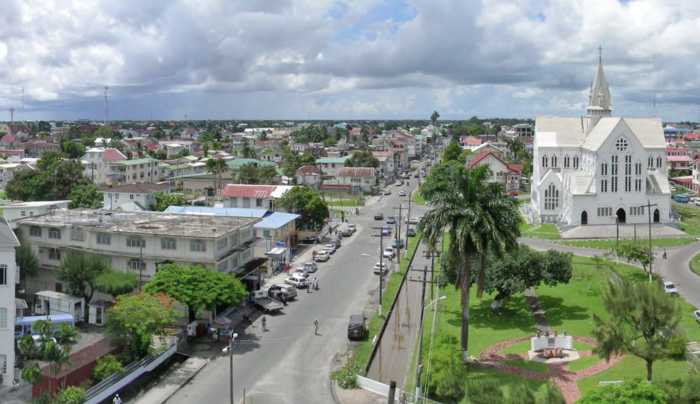
The national stock of buildings grew 42 %, from 219,500, with coastal regions — especially Region Four, home to the capital — leading new construction and subdivision expansion.