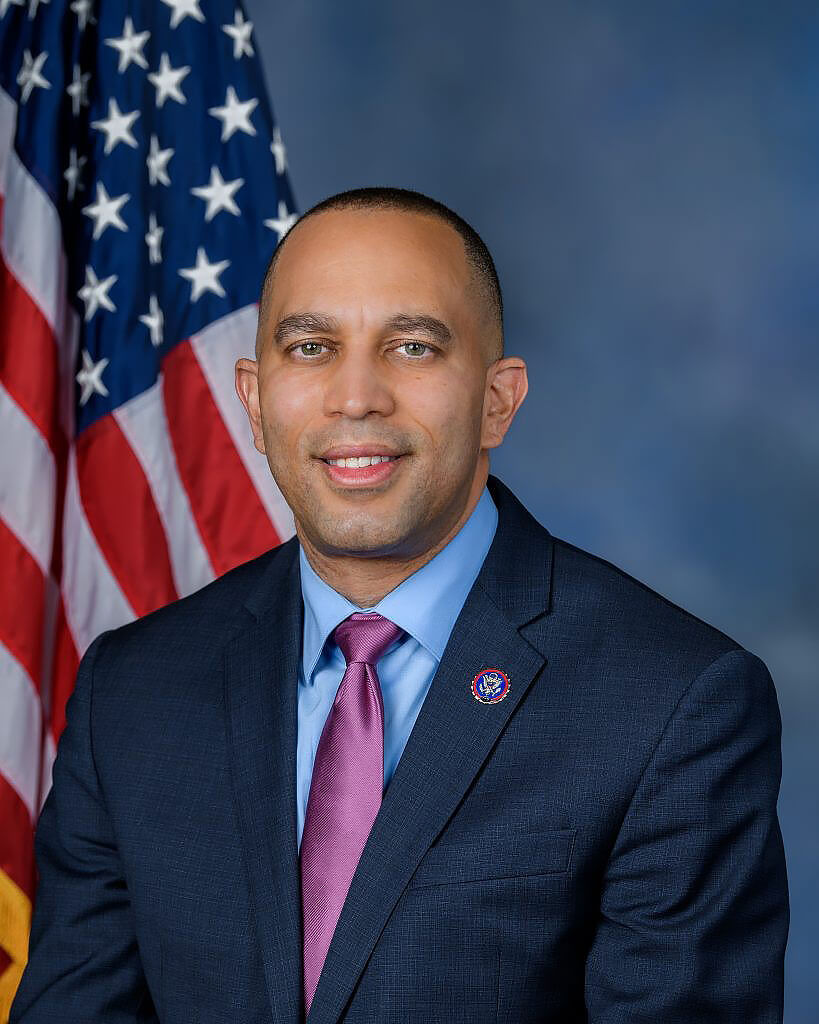
“We remain inspired by the examples of those who got into Good Trouble and committed to pushing forward our country’s long, necessary, and majestic march towards a more perfect union,” Jeffries said. “Together, we shall overcome.”
An alumnus of the University of Chicago with many friends in the city, Carter G. Woodson traveled from Washington, D.C., to participate in a national celebration of the 50th anniversary of emancipation sponsored by the state of Illinois, writes Scott on the ASALH website.
He said thousands of African Americans travelled from across the country to see exhibits highlighting the progress their people had made since the destruction of slavery. Awarded a doctorate from Harvard three years earlier, Scott says Woodson joined the other exhibitors with a black history display.
Despite being held at the Coliseum, the site of the 1912 Republican convention, Scott said an overflow crowd of 6-12,000 waited outside for their turn to view the exhibits.Inspired by the three-week celebration, Scott said Woodson decided to form an organization to promote the scientific study of black life and history before leaving town.
On Sept. 9, Scott said Woodson met with A. at the Wabash YMCA. L. Jackson and three others formed the Association for the Study of Negro Life and History (ASNLH). A graduate member of Omega Psi Phi, Scott said Woodson urged his fraternity brothers to take up the work.
In 1924, Scott says they responded by creating Negro History and Literature Week, which they later renamed Negro Achievement Week. “Their outreach was significant, but Woodson desired greater impact,” Scott wrote.
In 1925, he saids Woodson decided that the association had to shoulder the responsibility.“Going forward, it would both create and popularize knowledge about the black past,” Scott saaid. “He sent out a press release announcing Negro History Week in February 1926.”
In 1976, 50 years after the first celebration, Scott said the association used its influence to “institutionalize the shifts from a week to a month and from Negro history to black history.
“Since the mid-1970s, every American president, Democrat and Republican, has issued proclamations endorsing the association’s annual theme,” he saids. “What Carter G. Woodson would say about the continued celebrations is unknown, but he would smile on all honest efforts to make black history a field of serious study and provide the public with thoughtful celebrations,” Scott added.