It has been nearly four months since the Category 5 Hurricane Melissa struck parts of the Caribbean, with Jamaica bearing the brunt of the devastation.
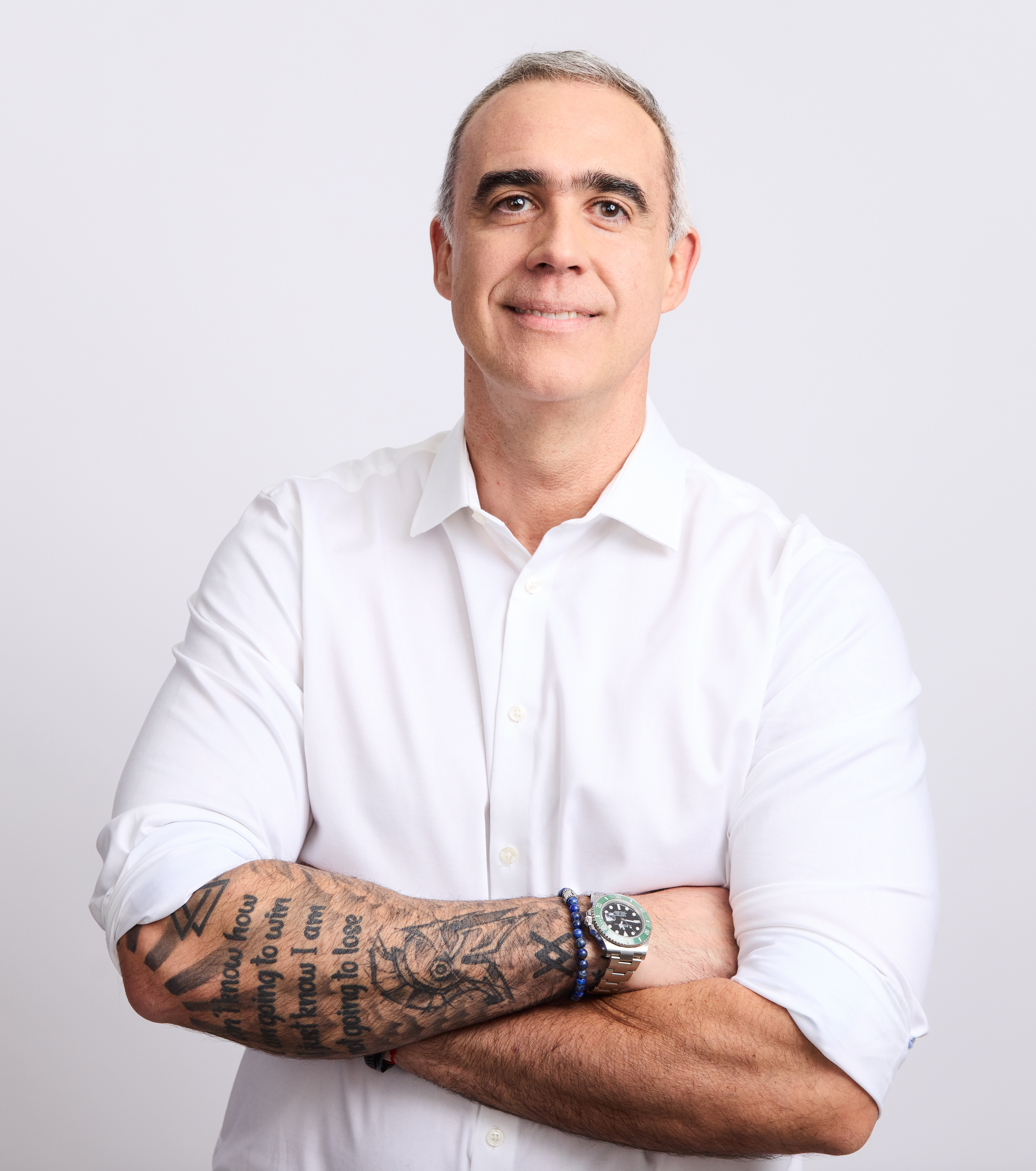
Amid the region’s recovery, Digicel — the Caribbean’s largest telecommunications and mobile provider — has been charting its own resurgence. Under the leadership of Marcelo Cataldo, who assumed the role in May 2024, the Jamaica-based company has undergone a notable transformation, evolving from a debt-laden organization under intense scrutiny for governance challenges into a revitalized enterprise focused on innovation across 25 markets in the Caribbean and Latin America.
In just one year, he orchestrated a financial restructuring, strengthened the governance model, and set a clear path toward sustainable growth, innovation, and resilience. Under his leadership, Digicel has solidified its place as a local champion deeply connected to Caribbean communities. The company is increasingly delivering innovative connectivity solutions and philanthropic initiatives tailored to customers’ needs.
Cataldo spoke with Caribbean Life about Hurricane Melissa recovery and how to ensure the Caribbean remains sustainably resilient. He first shared his thoughts on the current level of emergency preparedness, not just in Jamaica but across the Caribbean.
“Hurricane Melissa reminded all of us across the Caribbean that preparedness must be lived and practiced. The region faces these threats year after year, so readiness has to be built into how we operate, and it’s what we strive for every day. What I saw as I toured the island was resilience – from our friends, neighbors, employees, customers, and business partners. It also signaled the need for stronger infrastructure and a culture of planning across every island, not just in Jamaica,” Cataldo said.
Post-hurricane, the company’s core network and data centers remained operational, which Cataldo said is a testament to Digicel’s sustained investments in generator and battery systems designed to strengthen resilience. According to him, one of the biggest challenges following the hurricane, and a priority, is addressing the impact of power outages and physical damage at access sites.
“As a result, rebuilding has to prioritize power resilience, access restoration, and the physical reinforcement of the infrastructure that communities depend on. For example, we’re partnering with Caban Energy with the goal of powering up to 55% of Digicel’s cell sites in Jamaica with solar energy, which will enhance sustainability and reduce carbon emissions. The partnership is also extending to additional Caribbean countries,” he added.
In addition, he stated that every storm teaches us something, and that Hurricane Melissa reinforced the importance of energy independence and preparation. He emphasized that the Caribbean must rebuild stronger, which means expanding underground fiber, increasing hybrid power capacity, and investing in systems that are both environmentally responsible and operationally resilient.
He also said that because the company knows hurricanes and other natural disasters across the region aren’t going away, “The goal is for the region to come out of this better equipped for whatever comes next.” He continued and said, “Our mission is simple but critical. We must keep our customers, our communities, and our countries connected no matter what, including loved ones in New York who are trying to contact local families and friends.”
Additionally, he spoke about what the company is doing to make sure its customers have communication in all necessary ways at all times, especially during hurricanes and other natural weather events.
A few of the ways Digicel got this done during Hurricane Melissa included activating crisis management and network continuity protocols days before landfall, as well as establishing logistics hubs stocked with power systems, spare parts, and fuel.
The company’s Network Operations Centre also monitored site status in real time, rerouting traffic across redundant links to maintain service. “The resilience of our backup systems made a real difference: more than 260 sites ran on generator power during the storm. That’s what helped keep Jamaica online even while the grid was down,” Cataldo stated.
One of the ways the company is currently supporting residents in Caribbean countries affected by the hurricane is through the initiative ‘Reconnecting Jamaica’ established after the storm. Through it, customers received free prepaid support with 30 minutes of voice and 2 GB of data, along with additional postpaid data, so they could reach loved ones and access vital information during recovery.
“It’s all part of our very active and long-established Digicel Jamaica Foundation, which we’ve had since 2004. The foundation has invested nearly $48.6 million through 1,675 impactful projects islandwide, particularly in the construction of schools and community development programs,” explained Cataldo.
To those who question or doubt the existence of climate change in the Caribbean, Cataldo hopes you realize: storms like Melissa reinforce that resilience isn’t optional anymore, as he wrote in an op-ed published in the New York Daily News on December 6, 2025.
“When you live in the Caribbean, climate threats are real. You actually experience them as floods, landslides, destroyed infrastructure, and families suddenly cut off from help,” he continued. His message to this group of people would be: “Whatever you believe, preparation is now a responsibility we all share, because these events are getting stronger and the cost of being unready is simply too high.”
For Cataldo, being in the telecommunications field for more than 25 years was always about purpose. For Digicel, that purpose is human connection.
Furthermore, he shared ways in which the company is working with local organizations across the Caribbean to benefit all residents, their families, and businesses in the countries affected, coordinating closely with national agencies and power utilities to ensure our recovery aligns with broader restoration efforts.
“We know that families in New York and around the world are often desperate to reach their loved ones in times of crisis. It’s what drives us to improve year after year, and after every storm. To that point, we’re also investing beyond the immediate crisis. That includes expanding lithium battery systems, increasing hybrid power capacity, and using the power of the sun – where we are fortunate to have an abundance – to power Digicel Jamaica’s cell sites,” he added.
Cataldo wants his legacy to be one in which people see that: “Digicel didn’t just manage the storms. We helped build a more resilient Caribbean, together with our partners and our people.”