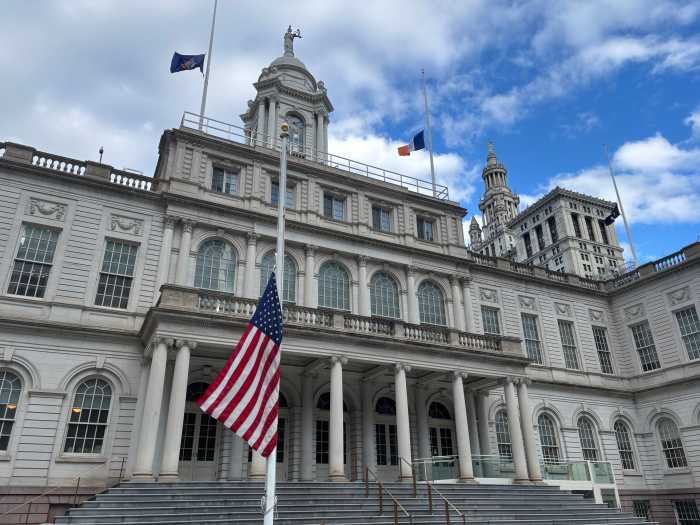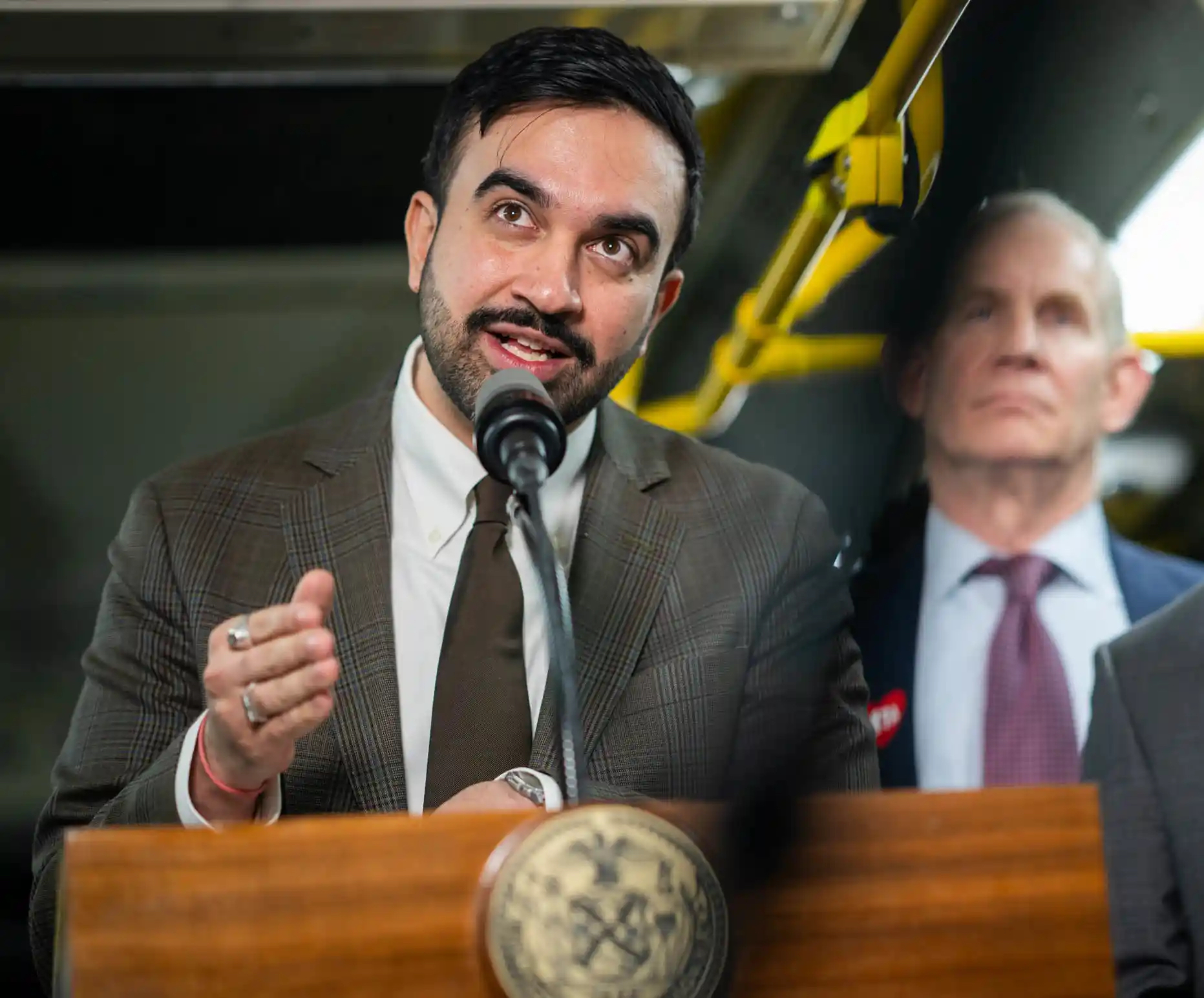
The way Mayor Zohran Mamdani sees it, there seems to be only two ways for his administration to close the multi-billion-dollar budget gap by this June.
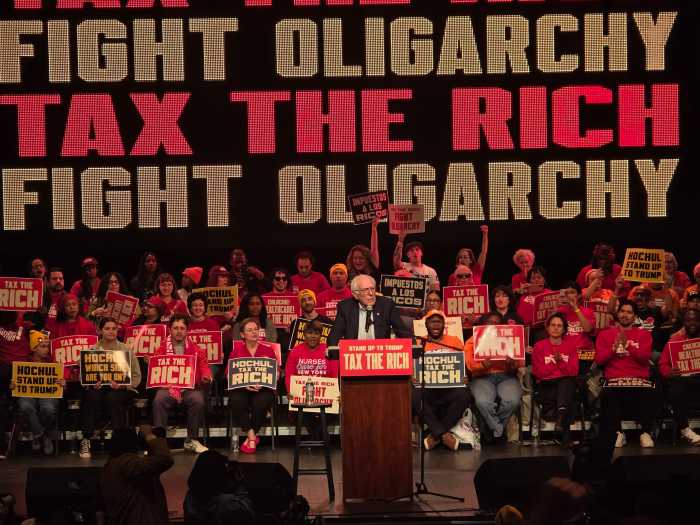
His preferred way, as he has often explained, is to “tax the rich” — increase the income taxes on the wealthiest New Yorkers in order to generate enough money to pull the city budget out of the red. That route, however, requires state Legislative and gubernatorial approval — and Gov. Kathy Hochul has repeatedly said any new income tax increases are a nonstarter, especially as she seeks re-election this November.
If “tax the rich” is off the table, Mamdani said Tuesday, then he would take the city down a route which he has said he doesn’t want to travel — a route that gives everyone a sour-tasting sundae of spending cuts, program cuts, and job cuts, with a substantial property tax increase for everyone being the cherry on top.
But the choice is not between hell and purgatory, as Mamdani says. There is a third way out: It’s called math.
Mamdani has already done some math in the past few weeks, whittling down a previously stated $12 billion deficit to $7 billion thanks to what he called finding efficiencies and better-than-expected Wall Street revenue projections. That number dropped to $5.4 billion Monday after Hochul directed $1.5 billion in additional state aid to the city.
Mamdani’s math is not yet complete, but in the wake of Hochul helping the state out, he presents a my-way-or-the-highway budget plan that ratchets up political pressure on Hochul and state lawmakers to adopt his “tax the rich” vision, lest everyone in Democratic voter-rich New York City pay more in higher property taxes. Talk about a thank-you to the governor.
It need not be this way at all. As we’ve said, there should be no new taxes of any kind — not on the wealthiest New Yorkers, and also not on property owners.
The property tax system itself is broken, as Mamdani has previously acknowledged. It is unfair, and often hits lower-income homeowners harder than their wealthier neighbors. Increasing property taxes now without first enacting significant reform would be mugging, not just robbing, Peter to pay Paul.
The city’s budget is $118 billion; the $5.4 billion gap left to close represents just 4.6% of all city spending. Appropriate, not austere, cuts within the city’s already massive budget are the right way forward. Curbing the massive overtime costs incurred year after year, which cost taxpayers billions of dollars, must also be part of the new city budget.
We don’t need Mamdani to engage in politics to solve our budget crisis. We need him to do the math and manage a city that lives within its means, not beyond them.
Nothing is truly free; someone will have to pay for this deficit. This is Mamdani’s first big test, and he still has lofty goals, including fare-free buses that will cost plenty of money. If he cannot pass this test without driving up costs for most New Yorkers, he can forget about his agenda ever becoming a reality.