The initial shock and disappointment over the US pausing approvals for immigrant and permanent visas this week appear to have subsided. Now, Caribbean community governments are responding to this development in a measured manner.
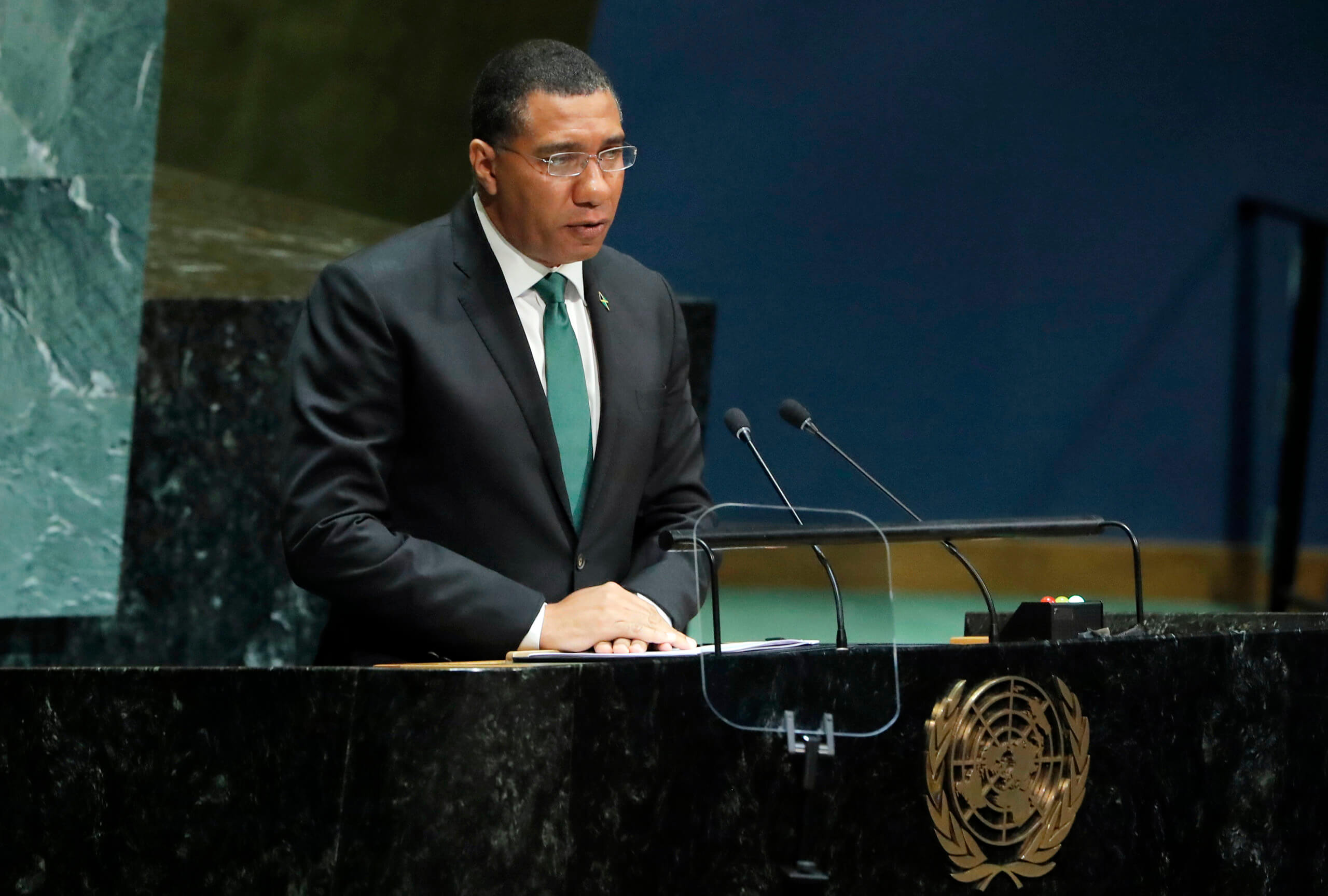
Jamaican Prime Minister Andrew Holness, for example, says Jamaicans must accept that the world is changing rapidly and that anti-immigration sentiment is rising in developed countries. Therefore, Jamaicans should focus on collectively developing their nearly three-million-strong island nation to make it truly livable and lovable for themselves.
Others like Barbados, St. Lucia, and Antigua say that while global news outlets are reporting the pause, governments are still awaiting official information from the State Department.
But Holness wasted little time delving into a detailed analysis of the near future, telling Nationwide FM listeners that locals must brace for the new reality.
The US this week announced a pause on permanent visa applications and processing. This bars citizens from OECS countries, Jamaica, Barbados, Belize, The Bahamas, Haiti, as well as Cuba and Brazil, from applying until a permanent decision is made.
“The Jamaican public, I think, needs to understand that we are in a different era of geopolitical, geo-economic, and geo-military politics, and it requires a certain smart, a certain foresight, and thoughtfulness to manage the process to keep Jamaica safe. There is a growing public view in many developed countries that you are seeing a growing public trend to stem immigration. We will pursue diplomatic channels, but we are going to pursue even more, making our country the place of choice to live, work, do business, raise families, and retire in paradise. That is a greater objective, and we must do it,” he said, reacting to the announcement.
Guyana, Trinidad, and Suriname were spared so far. Social media contributors suggest Guyana and Trinidad were excluded due to support for recent US action in the South Caribbean, including action against drug boats. Holness says small states like Jamaica have little say when superpowers make such decisions.
“We do have an obligation to pursue diplomatic channels, but we must always bear in mind that it is a sovereign decision by a sovereign country. We will use our diplomatic efforts to restore normalcy, but bear in mind the position that we must build our own country. This is now a reality. It is easy to say go and lobby, but you also have to bear in mind that sometimes these things are called negotiations. What are you going to give, what are you going to get?”
Minister of Foreign Affairs Kamina Smith Johnson, assured Jamaicans that tourist visas are still being processed. She added, “I am advised that the US Embassy will provide clarity as they are able. I encourage those with applications in progress to use their usual channels for updates.”
Meanwhile, Antiguan government spokesman Maurice Merchant says officials are dealing with the issue.
“Once we heard of the decision of the United States government, the cabinet immediately made contact to verify, because it was coming from news portals,” he said, noting that the federation’s embassy in Washington is handling the matter.
It is not yet known whether regional leaders will meet this month to discuss the US visa pause, but a scheduled meeting in St. Kitts at the end of next month may provide an opportunity for discussion.