Saying that public debt is nearly $400 million, St. Vincent’s new government has announced plans to sell national passports and citizenship to foreigners to raise vital development revenues, officials announced this week.
Among the smaller Eastern Caribbean nations, the federation with the Grenadines had been the only member state without a citizenship-by-investment program (CIP) due to strident opposition from the former Unity Labor Party (ULP), led by former prime minister and now opposition leader Ralph Gonsalves.
But the new administration of Prime Minister Goodwin Friday, which won 14 of the 15 seats in general elections late last year, says the treasury needs the money from the program as he also moves to keep a campaign promise and offer competition to neighbors including Antigua and Barbuda and St. Kitts and Nevis, which rake in millions from the program.
The administration says it will launch the program by mid-year, even as the Trump administration and Western nations have opposed it, alleging that these small island nations largely lack the ability to properly scrutinize applicants’ backgrounds. They also complain that in some destinations, applicants do not have to spend much time qualifying.
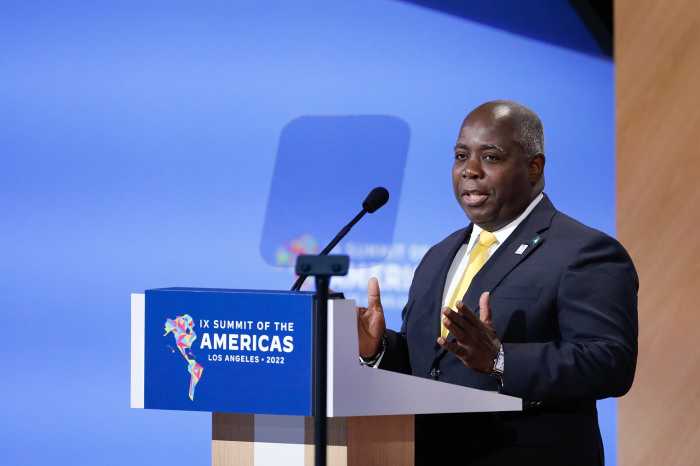
Presenting the 2026 budget in parliament, PM Friday said that the measure is crucial to the way forward.
“We will not compete on volume. We will not compromise on standards. And we will not trade reputation for short-term gains. It is about resilience and leaving a tangible, transformative legacy for generations yet to come,” the PM said, announcing the commencement of the program later this year.
He says most of the money raised from the program, with its stringent residency requirements, will go towards resilient infrastructure, healthcare, education, vocational training, debt reduction, and disaster contingency funding.
The cabinet is pressing ahead with plans despite warnings from the European Union that some applicants for the passports do so because local passports allow them to access more than 100 countries visa-free. The EU has threatened to curb the free access system in place with the island nations for decades if security measures are not tightened.
Giving his take on the measure, Opposition Leader Gonsalves says western nations view the CBI as a “inherently security risk,” comparing it to cocaine addiction as the nation could “suffer withdrawal symptoms” when revenue flows slow down or dry up.
“A drop in foreign exchange from the CBI could force the country to devalue its currency, altering the exchange rate from 2.70 to 1. This would lead to inflation” and flight of capital,” he charged.