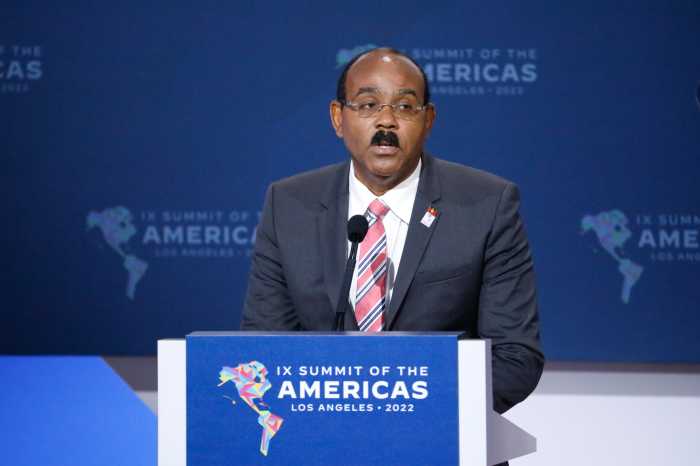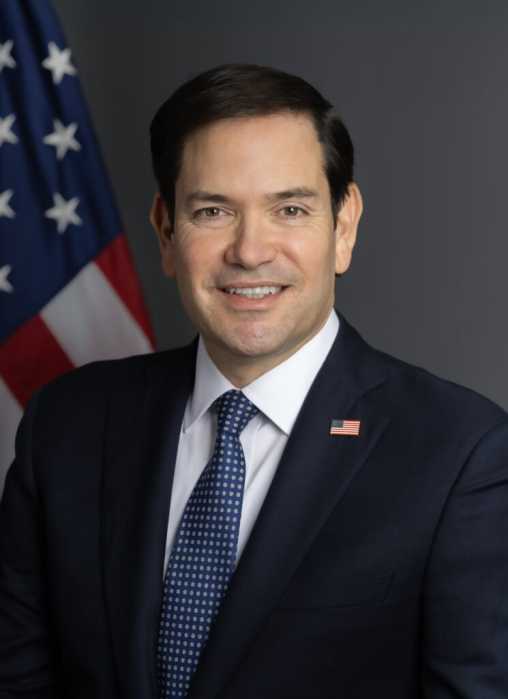
When the Trump administration recently suspended visa access for citizens of Dominica and Antigua, officials cited the US’s alleged discomfort with the sale of national passports and citizenship to foreigners as one of the main reasons for the action.
They had said that they doubted the due diligence ability of local systems to properly scrutinize the backgrounds of applications from places like China, Eastern Europe, Russia, Nigeria, and parts of Asia. Regional officials in Eastern Caribbean states, which offer the citizenship by investment program (CIP), fired back, saying they collaborate with international security agencies like Interpol and others, and also comply with every edict handed down to them by Western nations, including the US, concerning the program.
And despite the disruptions to relatively smooth visa processing for citizens of Dominica and Antigua, the new government in St. Vincent and the Grenadines says it is preparing to launch its own (CIP) program in the new year, despite the heightened scrutiny of it and possible visa suspension by the US in the future.
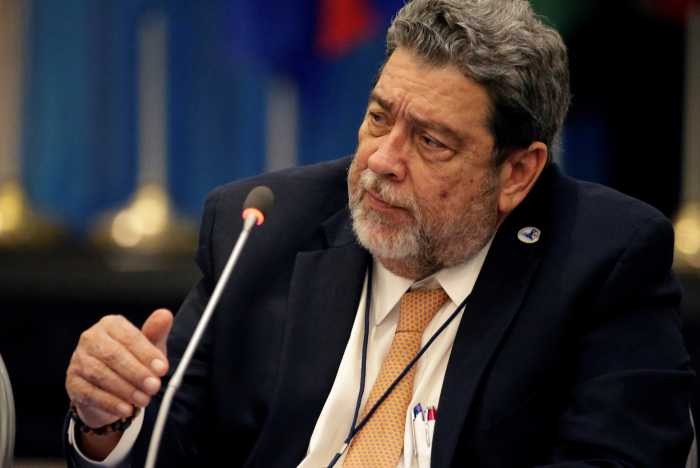
Under governance by the recently defeated Prime Minister Ralph Gonsalves’ Unity Labor Party (ULP), the federation had, for more than a decade, been the only holdout among the main (OECS) sub-grouping nations that had not had the so-called golden passport program. Officials in the federation had watched as Grenada, Antigua, St. Kitts, St. Lucia, andDominica raked in hundreds of millions of dollars by selling local passports and citizenship to foreigners for as low as $100,000, accompanied by investments in development sectors. Still, the ULP resisted enacting any CIP or related program, dubbing it as unsustainable.
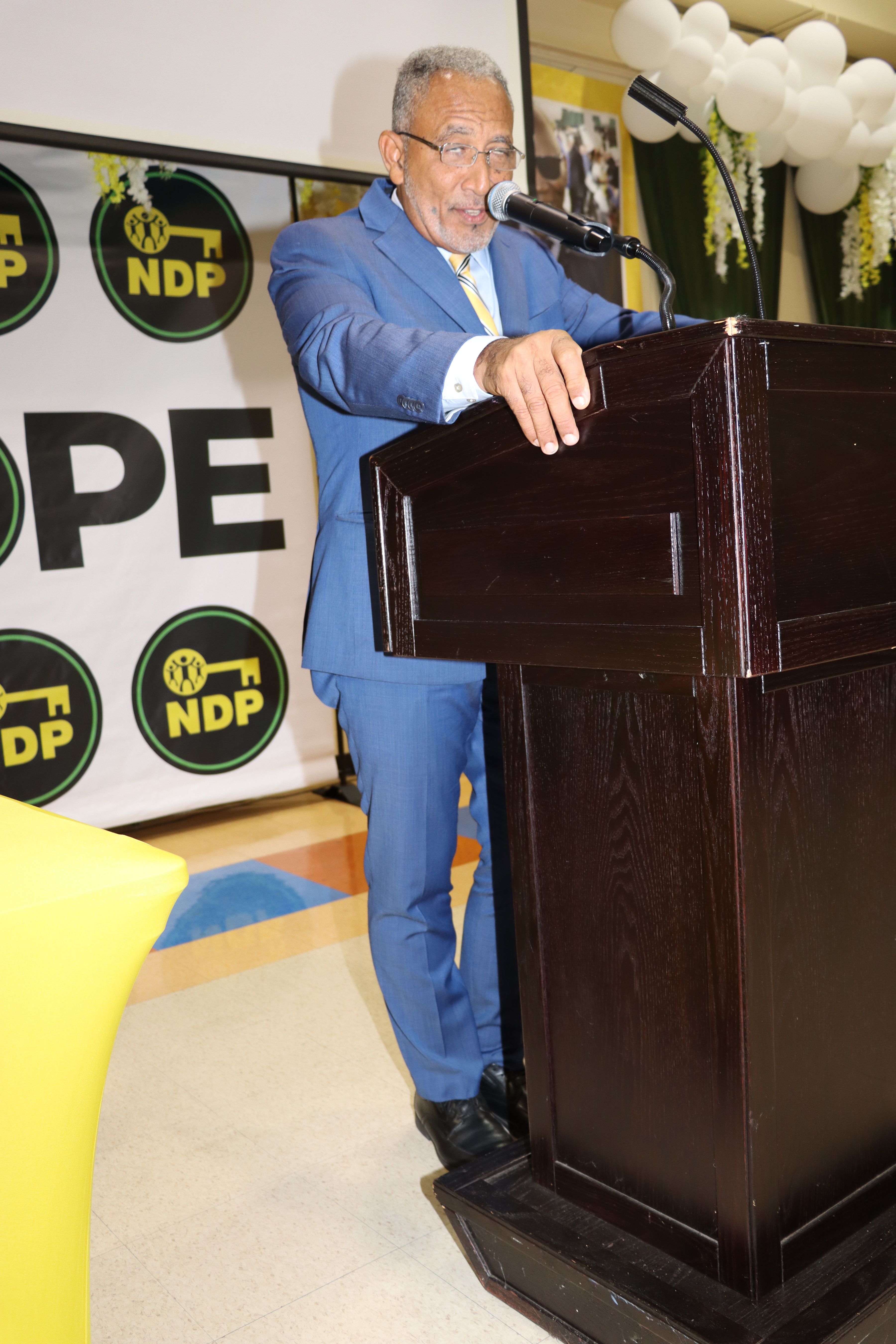
Announcing his plans during Christmas week, the new Prime Minister, Godwin Friday, referred to the CIP as a critical economic pillar for the federation’s future, as it is nursing nearly $1 billion in public debt left by the ULP during its 26 years in office.
“We can’t borrow much more,” the PM told citizens, adding that “CBI has been a part of our party’s platform for 10 to 15 years. An economic citizenship program previously existed when the NDP was in government years ago,” he said. Asked about possibly offending the US through the golden passports scheme, the PM said that “I don’t believe these developments are a death knell for such programs, the demand remains high among high net worth people whose interests often gain priority in global affairs”.
He said that, as one of the last nations in the region to implement such a program, the federation now has the opportunity to adopt “best practices” as his cabinet prepares for a major shift in domestic and foreign policy.
Governments in CIP participating countries have argued that the program is highly necessary due to lost revenues from global free trade and tax-free trade within the Caribbean Community bloc, as well as the collapse of banana and sugar exporting schemes to the US in recent decades.