The Caribbean island nation of Dominica has said that it has already signed off on an agreement with the US to accept deportees who do not want to return home or whose home countries do not want them back.
The island’s cabinet says it has wrapped up all negotiations and is ready to accept a small number of deportees in the coming months — about 28 annually. This will be done under the so-called Third Country National Arrangement (TCNA), which will see the island and other CARICOM member nations accepting US rejects.
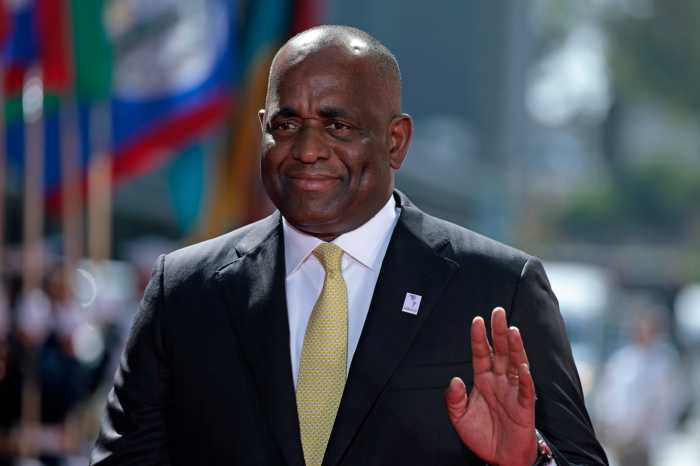
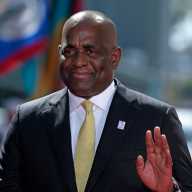
Detailing the arrangements at a recent press conference, Prime Minister Roosevelt Skerrit said that the program will be properly and responsibly handled in the nation’s interest.
“The agreement was formally signed on March 18, 2026, by Dominica’s ambassador to the United States of America. Importantly, this arrangement is non-binding, and Dominica retains full discretion at all times. This means we have the authority to accept or reject any individual. We also maintain the right to refuse entry to persons with a criminal history, and we will have advanced access to relevant medical and security information before any decision is made,” he told a press conference.
According to Skerrit, the island’s agreement with the US will see fewer than 30 persons being sent to the country annually. With a population of just around 66,000, officials say the country could use a bump in numbers, as the main hospital registered only 513 births last year. Consequently, it remains one of the least populated nations on the planet.
But critics say that Dominica is also moving quickly to finalize arrangements with an administration that, late last year, announced partial visa restrictions and travel restrictions for several categories, including tourist visas for its nationals. The same was applied to neighboring Antigua, putting political pressure on the local administration.