The US has imposed new severe travel restrictions on Dominica and Antigua, targeting their citizenship by investment programs over security concerns.
Western nations, including the US, have voiced discomfort with Eastern Caribbean island nations selling passports and citizenship to foreigners for a price. They contend that the Citizenship by Investment (CIP) Program opens the door to people of dubious backgrounds who can pose a security threat to other nations.
Authorities in Dominica, Antigua, Grenada, St. Kitts, and St. Lucia say they are strengthening applicant background checks and enhancing program security.
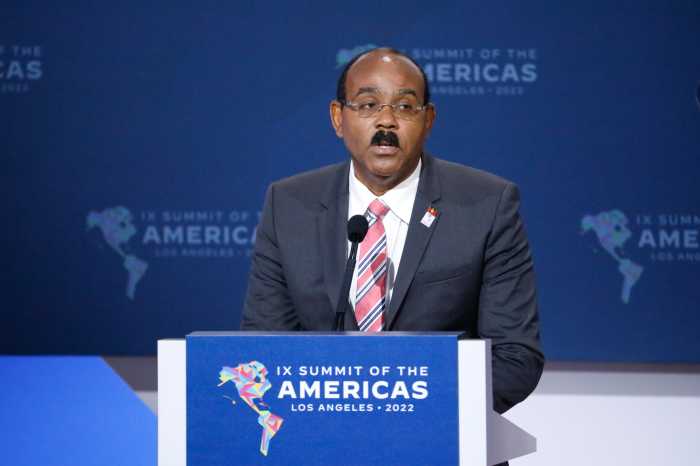
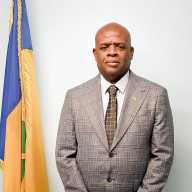
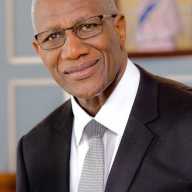
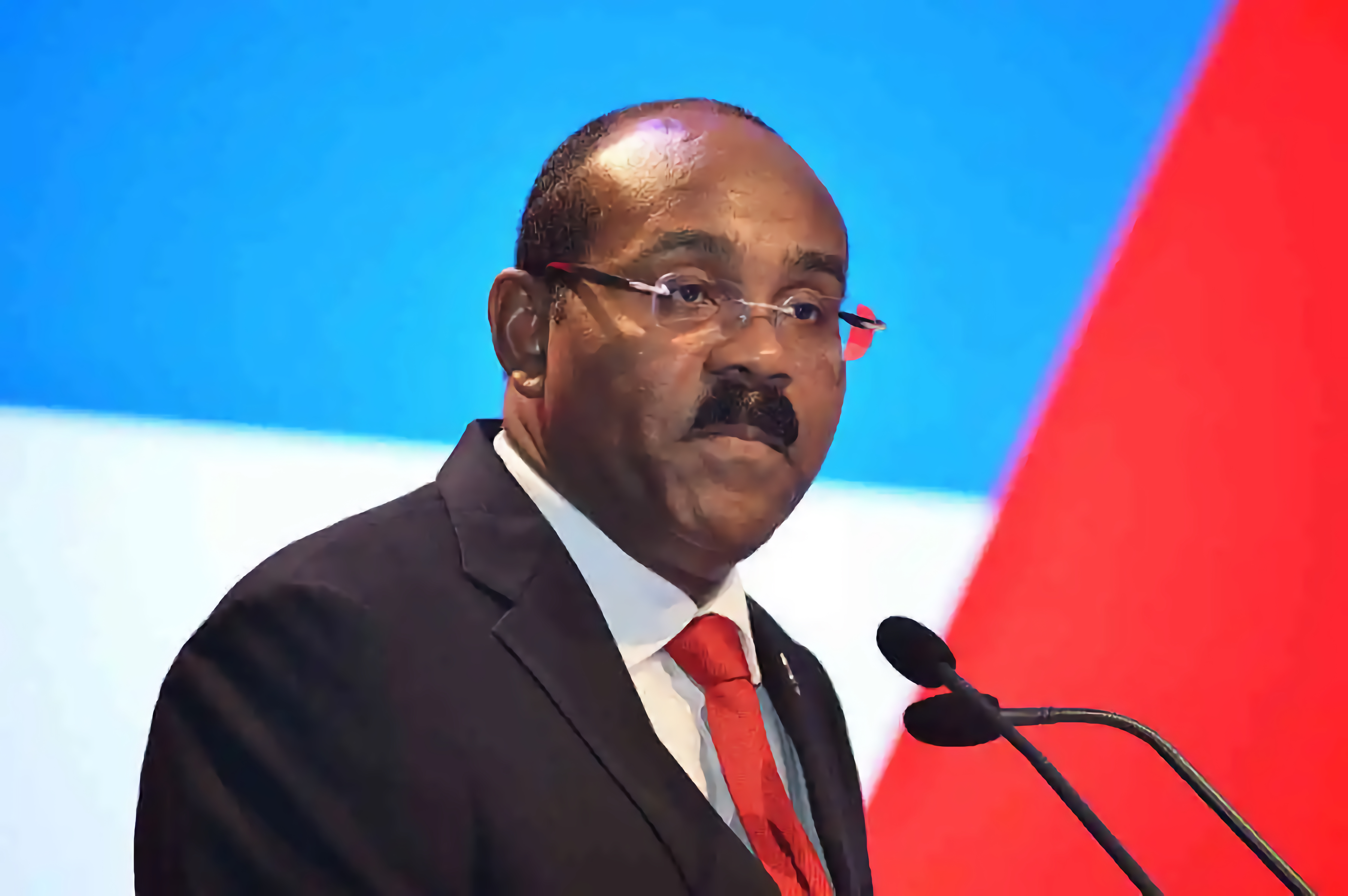
On Tuesday evening, the Trump administration announced that starting in January, the U.S. will impose severe visa travel restrictions on Dominica and Antigua. The announcement came as a shock to the islands. Soon after, Antigua’s Prime Minister Gaston Browne and Dominica’s Prime Minister Roosevelt Skerrit both responded, stating that they are promptly seeking clarification from American authorities.

The two nations are among five in the region offering ‘golden passports’ to foreigners, starting at US$100,000, with investment options in real estate or other sectors.
The US and several European nations have repeatedly expressed concerns about the scheme and urged stricter legislation and additional rules to enhance its credibility. Striking the first blow, the US declared it is unsure whether the CIP can “protect its citizens from terrorist attacks and other national security and public safety threats. It is the policy of the United States to protect its citizens from foreign nationals who intend to commit terrorist attacks, threaten our national security and public safety, incite hate crimes, or otherwise exploit the immigration laws for malevolent purposes,” said the proclamation, issued by the White House. “The proclamation also directs the US government to immediately engage countries identified in the proclamation on measures that must be taken to comply with the screening, vetting, immigration, and security requirements of the United States.”
In a statement released late Tuesday night, PM Skerrit responded to the restrictions, stating, “The government will continue to work closely with U.S. authorities to address any issues identified, to protect the interests of Dominican citizens, and to ensure that accurate information is provided to the public. The government is actively engaging officials of the US embassy in Bridgetown, Barbados, to obtain formal clarification on the scope of the measures, the basis on which they were taken, and the specific implications for Dominican travelers, students, families, and other legitimate holders of U.S. visas,” he said.
PM Browne of Antigua responded more stridently and defensively to the developments, saying, “We are deeply disappointed that Antigua and Barbuda has been included in this proclamation on the stated ground that our CIP has historically operated without a residency requirement. That assertion does not reflect the present reality of our laws.” He explained that new legislation requires a mandatory 30-day physical residency in Antigua and Barbuda as a strict condition for citizenship. He insists it is an error to state that Antigua and Barbuda’s program operates without a residency requirement. He states, “I am writing directly to President Trump and to the Secretary of State, Marco Rubio, offering the full engagement and cooperation of the government of Antigua and Barbuda to address any concerns and to take all reasonable steps necessary to allow for the restoration of all visa categories.”
Severe travel restrictions also apply to Cuba and Haiti. Haiti is a CARICOM member.
Trump’s proclamation stated, “For example, a foreign national from a country subject to travel restrictions could purchase CBI from a second country not subject to travel restrictions, obtain a passport for that second country, and then apply for a United States visa to travel to the US, thereby evading the travel restrictions on his or her first country. Additionally, US law enforcement and the Department of State have found that, historically, CBI programs pose several risks. These risks include enabling an individual to conceal his or her identity and assets to circumvent travel or financial and banking restrictions,” he said.
The new restrictions affect nonimmigrant holders of B-1, B-2, B-1/B-2, F, M, and J visas, suspending these categories.
Fellow Eastern Caribbean nation St. Vincent, led by recently defected Prime Minister Ralph Gonsalves, steadfastly refused to participate in the CIP program, calling it unsustainable and insecure. However, the new government of Prime Minister Godwin Friday vigorously campaigned for switching to the CIP. It remains unclear how it will proceed now.