The year unfolded as a vibrant tapestry of Caribbean culture, music, community leadership, and diaspora engagement, particularly centered in New York City and extending across the Caribbean and international stages. From grassroots cultural recognition to global musical triumphs, each month highlighted resilience, creativity, and the enduring influence of Caribbean people and traditions.
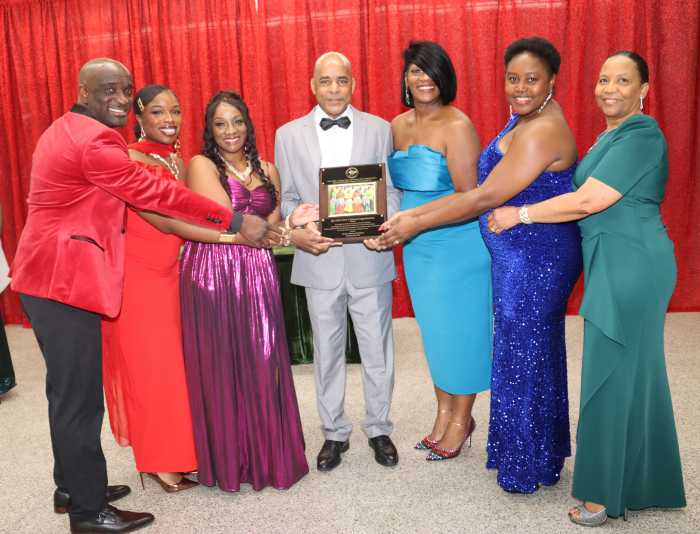
January began with a strong emphasis on community recognition and cultural preservation. The Brooklyn-based Grenadian American Ex-Teachers’ Association (GAETA) hosted its 5th Annual Yuletide Gala, honoring Quake USA and six individuals for their contributions to culture, education, entrepreneurship, community service, and inspiration within the diaspora. GAETA President Cecily Mason underscored the importance of acknowledging excellence among Grenadians abroad. Quake USA, a cultural organization with a 37-year legacy, was praised for its dedication to preserving Grenadian heritage, a sentiment echoed by spokesperson Cheryl Vincent.
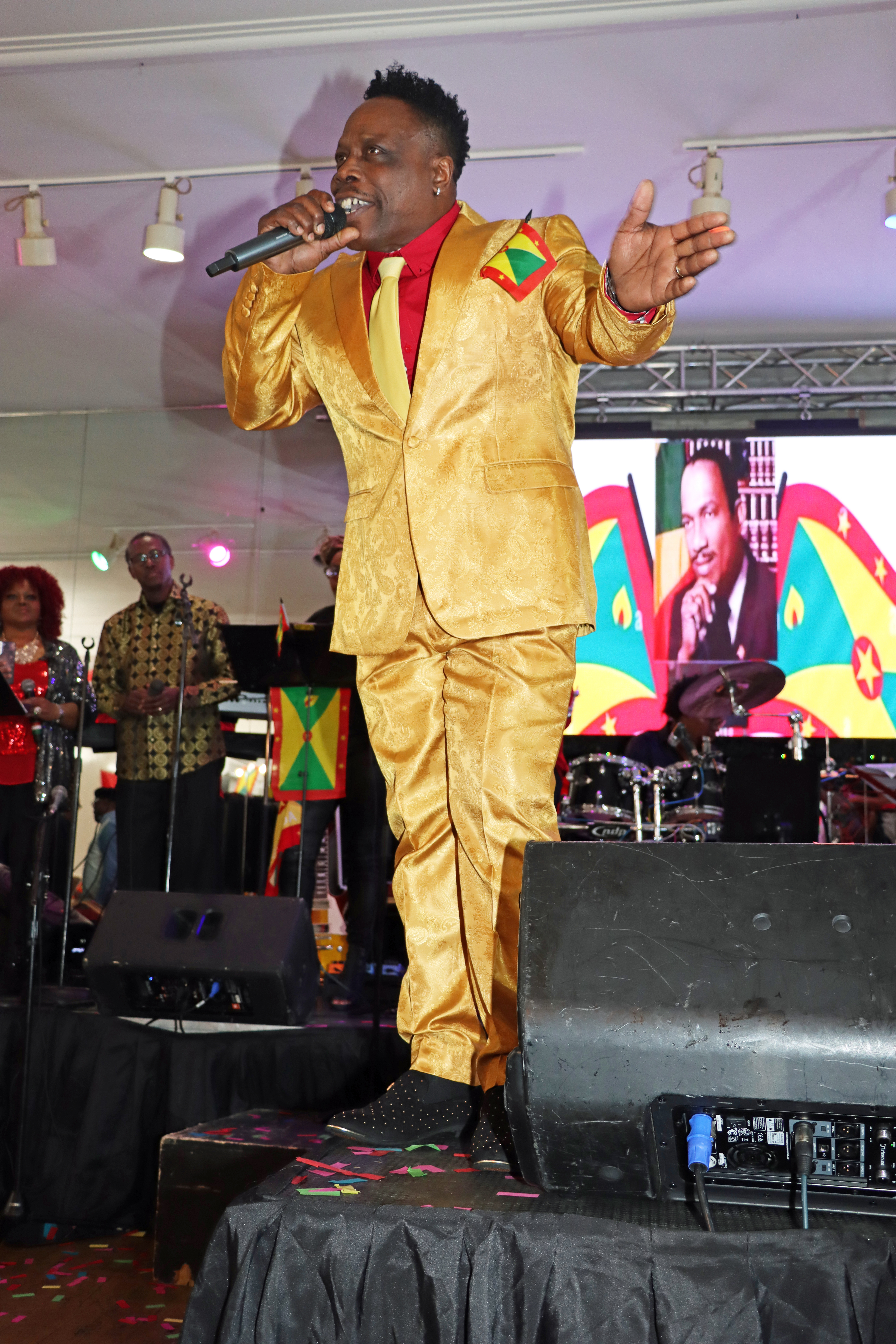
The month also celebrated Grenadian musical excellence as calypsonian Hercules (Paul Williams) was crowned the 2025 Grenada New York Independence Monarch for a record seventh time. His winning song, “51 Years,” reflected on Grenada’s independence while urging national unity and progress. The fiercely contested competition highlighted the continued vitality of Grenadian calypso in New York.
February marked international acclaim for reggae music as Bob Marley: One Love – Music Inspired by the Film won the Grammy Award for Best Reggae Album. The soundtrack, featuring reinterpretations of Marley’s iconic songs by global artists, demonstrated Marley’s enduring global influence. The month also paid tribute to veteran reggae and dancehall artist Shinehead, lauded for his versatility and cultural impact. Publicist Flair Lindsey described Shinehead as a “triple threat” whose artistry spans singing, rapping, DJing, and sound system culture, making him emblematic of Black History and Reggae Month.
March focused on anticipation and celebration of live performance. Brooklyn-based singer Abena Amory announced her debut at the 2025 St. Kitts Music Festival, describing the opportunity as a deeply personal milestone tied to her heritage. Meanwhile, the Harmony Cruise emerged as a major highlight for reggae lovers, with Beres Hammond and Richie Stephens delivering memorable performances aboard a sold-out voyage. The cruise reinforced reggae’s ability to unite fans across borders through music and shared experience.
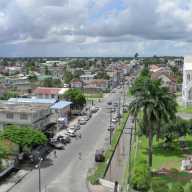
April blended musical innovation with moments of collective mourning and global touring announcements. Reggae artist Minna LaFortune released “Weekend Vibes,” a fusion of Amapiano and Caribbean rhythms that reflected the evolving soundscape of Caribbean music. In Guyana, dancehall artist Nigy Boy paused a performance to honor the memory of 11-year-old Adrianna Younge, using music as a vehicle for collective grief and solidarity. The month also saw the announcement of Sean Paul and Wiz Khalifa’s Good Vibes Only Tour, promising a high-energy fusion of dancehall and hip-hop across North America.
May brought major news for dancehall fans as Bounty Killer was confirmed to return to the U.S. stage after 15 years, with a highly anticipated performance at Brooklyn’s Barclays Center. His return symbolized both personal and cultural significance for Brooklyn, a city deeply tied to his early career. The month also celebrated Vincentian culture as the launch of Vincy Mas 2025 took place in Brooklyn, offering diaspora communities a vibrant preview of the upcoming carnival through music, masquerade, spoken word, and steelpan.
June highlighted film, theater, and cultural storytelling. Season 17 of AfroPoP: The Ultimate Cultural Exchange premiered with a diverse slate of films, including Mother Suriname, which examined colonial history through intimate archival storytelling. Additionally, Broadway’s Celebrates Juneteenth concert returned to Times Square, showcasing performers from 15 Broadway productions and reinforcing the intersection of Black history, performance, and public celebration.
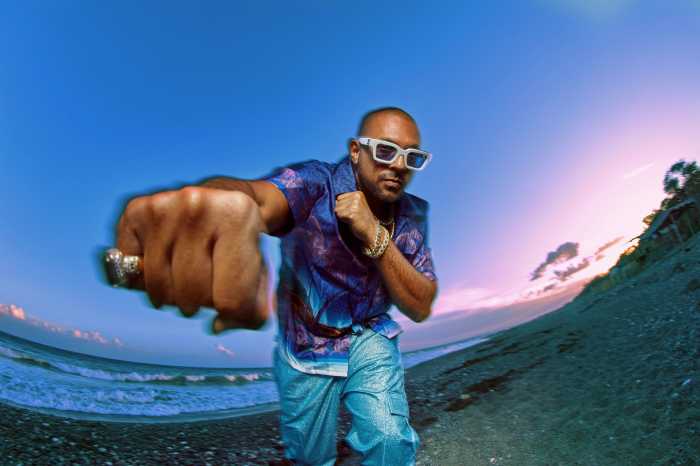
July was dominated by music and festival announcements. Sean Paul’s remix of Moliy’s viral hit “Shake It to the Max (TUFF)” helped propel the song further into mainstream pop culture, aided by social media dance challenges and global visibility. Braata Productions also announced the Bankra Caribbean Culture Festival in Queens, reaffirming its mission to elevate Caribbean folk culture through free, accessible community events.
August emphasized grassroots cultural organizing in Brooklyn neighborhoods. Mas in Canarsie launched successfully, with founder Calvin Sennon framing the event as a milestone in celebrating Caribbean identity, entrepreneurship, and unity within the community. The Caribbean J’ouvert celebration in Brooklyn also returned with strong community support, combining cultural revelry with outreach services and immigration resources.
September brought both celebration and tragedy. The West Indian American Day Carnival Parade drew millions to Brooklyn’s Eastern Parkway, showcasing Caribbean music and pageantry, but the event was marred by multiple shootings. Despite the violence, community leaders and organizers continued to emphasize the parade’s cultural importance. The month also included honors bestowed by WIADCA on longtime volunteer and philanthropist Angela Cooper, recognizing her years of service and community leadership.
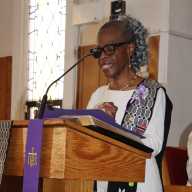
October featured moments of reflection and international cultural promotion. Jamaican-American composer Jacqueline L. Hopkins premiered her choir at her childhood church in Brooklyn, describing the experience as deeply emotional and rooted in family and faith. Meanwhile, the St. Lucia Tourism Authority launched Lucian Carnival 2026 in Miami, positioning the festival as a cornerstone of the island’s tourism and cultural strategy.
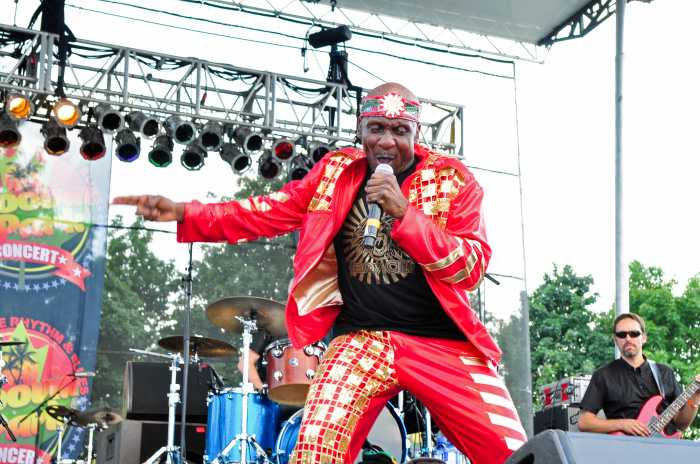
November focused on literature and remembrance. The Brooklyn Public Library celebrated the seventh year of its literary film festival, spotlighting influential writers and featuring a keynote by filmmaker Raoul Peck. The Caribbean world also mourned the death of reggae legend Jimmy Cliff, whose global impact and personal connections to the diaspora were widely remembered and honored.
December concluded the year with unity through music. The Jamaica Strong Benefit Concert at UBS Arena brought together top Caribbean artistes in a powerful show of solidarity and excellence. Performances by Shaggy, Sean Paul, Kes, Aidonia, and others underscored the strength of Caribbean music as both entertainment and a unifying force, closing the year on a note of collaboration, resilience, and cultural pride.