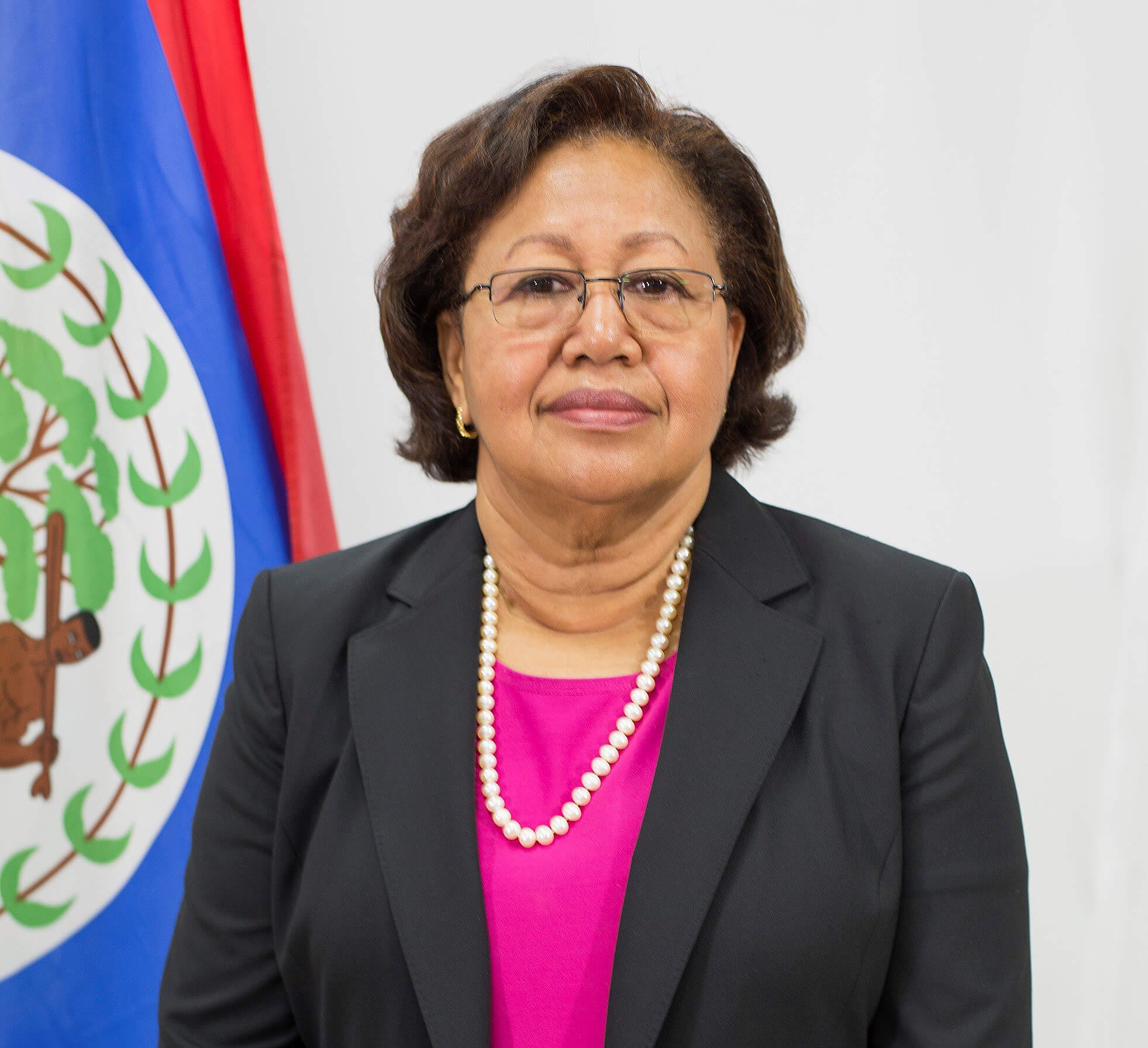
The CARICOM dispute over U.S. regional policies and the reappointment process for Secretary-General Carla Barnett has escalated into a verbal war between the bloc’s chairman and the Trinidad and Tobago authorities.
At the heart of the issue is Trinidad and Tobago’s strong opposition to granting the Belizean economist a second term, as the country is determined to ensure her departure after her initial five-year term ends in late August.
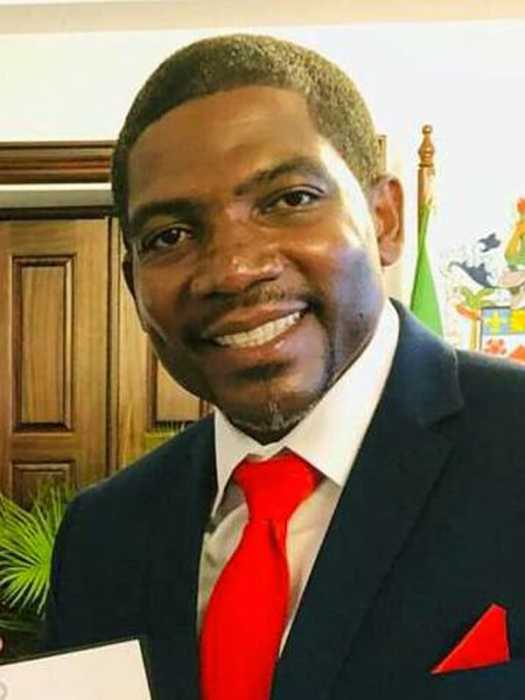
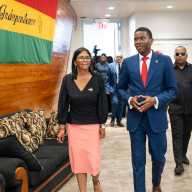
Over the weekend, the Port of Spain government and Terrance Drew, current bloc Chairman and St. Kitts and Nevis Prime Minister, exchanged harsh words and published confidential documents to show the federation’s delegation was not excluded from a Nevis retreat where Barnett’s tenure was allegedly discussed.

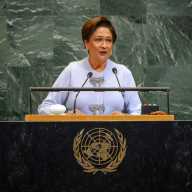
Trinidad, through Foreign Minister Sean Sobers and Prime Minister Kamla Persad Bissessar, claims its delegation was disinvited because only heads of government were allowed to attend. Persad Bissessar posted on social media a memo from Drew stating that the retreat was for heads only and apologizing for the inconvenience. Meanwhile, Drew maintained that Sobers cited seasickness as the reason for not attending the meeting.
The dispute is becoming one of the region’s worst public rifts since the ideological split over the 1983 US invasion of Grenada.
As an indication of how bitter the war of words has become, Trinidadian authorities have announced they will not attend any future CARICOM meetings until they are satisfied with the process for reappointing Barnett.
“Trinidad and Tobago maintains the position that the matter of the reappointment of the secretary-general is of grave importance and should be openly and transparently discussed by all heads of government, not a select few, at an appropriately scheduled meeting with a pellucid agenda. Trinidad and Tobago, therefore, declines to attend any meeting proposed until Trinidad and Tobago is furnished with the relevant information requested in previous missives issued to your good self,” the government announcement noted.
It also stated the country will not recognize her position after her term ends in late August, citing the process as “surreptitious, corrupted, and flawed.”
Persad Bissessar opposes the Secretary General due to a formal complaint she filed with Barnett in 2022. It concerned the capture of a Trinidadian businessman by Barbados police. She said at the St. Kitts meeting that Barnett had not acknowledged her letter, apparently because she was in opposition at the time.
In his Saturday statement, Chairman Drew said all member nations were informed of the work program and draft agenda, which included the Nevis caucus meeting. He added that Minister Sobers “did not later indicate to the chairman or secretary-general his willingness or ability to attend the retreat.”
But he made it clear that the country will remain a member despite serious concerns about the Guyana-based secretariat and the region’s overall operations.
To show its mindset in the bloc, the government has reminded everyone that Trinidad provides 22% — roughly $20 million — of the regional annual budget, though it has not taken steps to withdraw or reduce its contributions.