Despite pressure from the U.S. to scale back relations, Caribbean Community nations have announced plans for a massive aid package for Cuba in the coming days, following extensive discussions at this week’s regional leaders summit in St. Kitts, officials said.
Doubling down on decades of close relations with Cuba, the bloc of 15 nations and its associate member nations said it had not exactly worked out the details of the assistance package as yet, but remained committed to helping Cuba as it faces cash, fuel, and other shortages, brought on in part by crippling sanctions from the U.S.
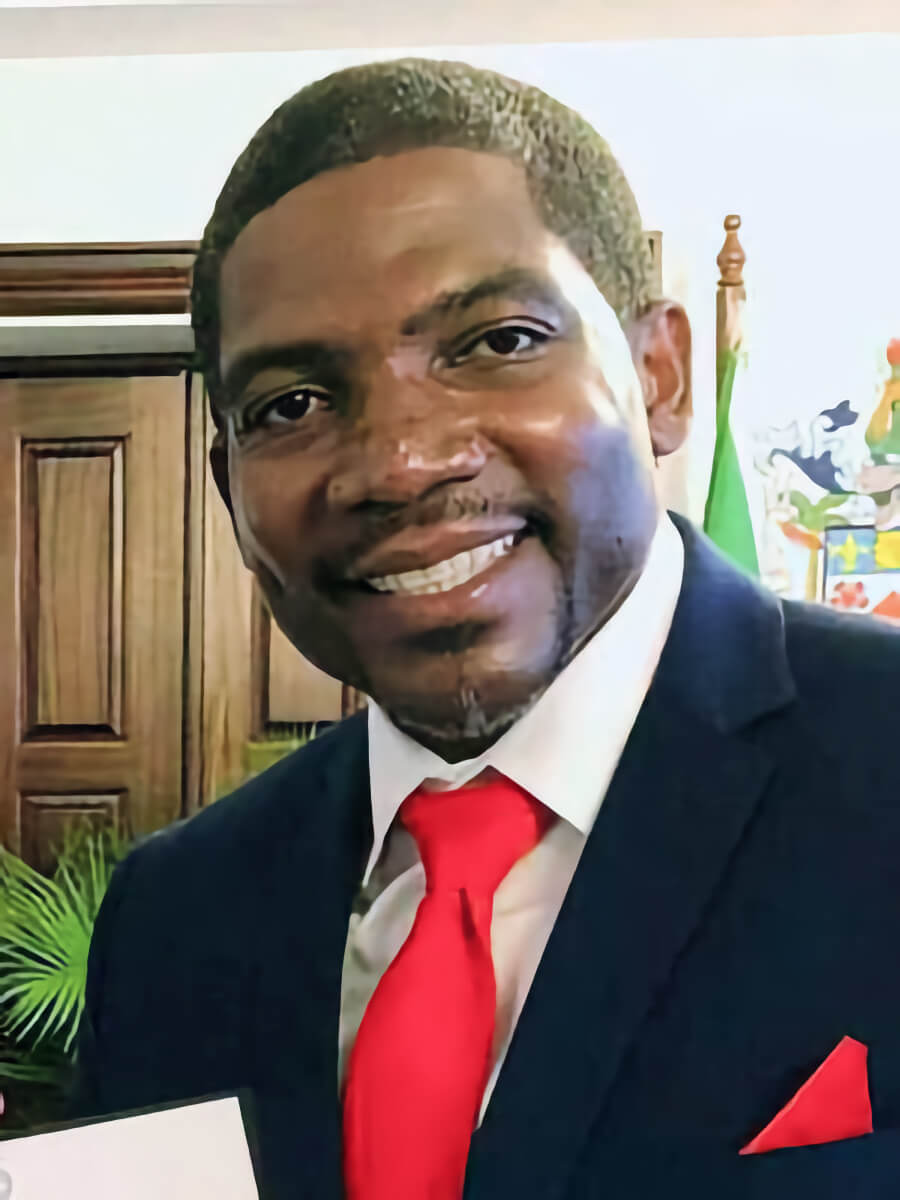
The plan was announced by the current regional Chairman and Prime Minister of St. Kitts, Terrance Drew, at the summit’s closing session on Friday, and it appears that the U.S. will not stand in the way of CARICOM providing help to the left-leaning island.
Secretary of State Marco Rubio flew to St. Kitts midweek, held extensive talks with leaders, and participated in several rounds of bilateral discussions with various heads of government on a range of topics, including Cuba.
“The matter of the challenging situation in Cuba was also discussed. All parties recognized that there should be efforts to address the growing humanitarian crisis. The Caribbean Community, cognizant of its very close relationship with both Cuba and the USA, and mindful of the extent to which the region can be negatively affected, is willing to participate in any way that will redound to the benefit of the Cuban people, while maintaining regional stability. I can go on further to say that the community has taken the decision as well to support humanitarian efforts in Cuba,” PM Drew told reporters.
He noted that during the session with Secretary Rubio, “all parties recognized that there should be efforts to address the growing humanitarian crisis.”
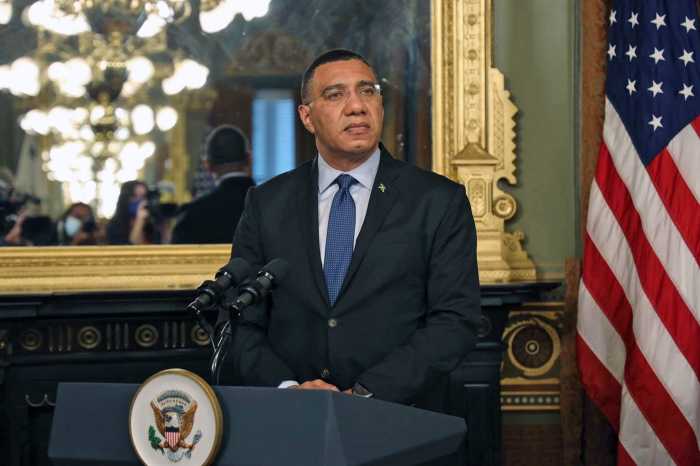
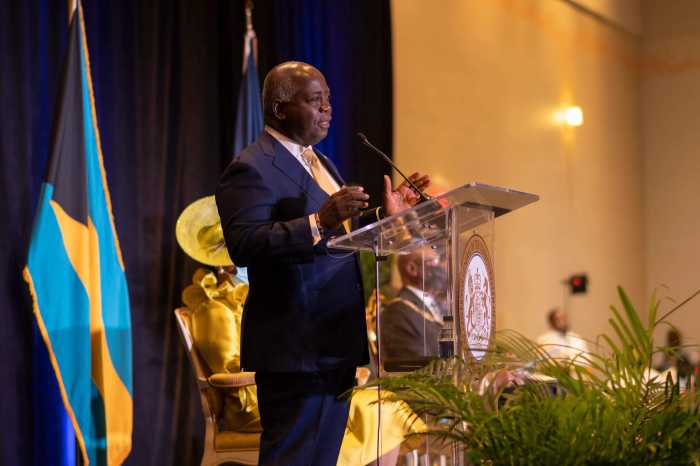
At the opening ceremony, various leaders had signaled the region’s special relationship with Cuba, with Jamaican Prime Minister Andrew Holness leading the way. He did worry about a collapsed Cuba affecting the wider Caribbean, as he called for assistance to the country.
“Its people are part of our shared history. But today, the Cuban people face severe economic hardship, energy shortages, and growing humanitarian strain. Jamaica is sensitive to the struggles of the Cuban people,” he said, while noting that “humanitarian suffering serves no one. Apart from our fraternal care and solidarity with the Cuban people, it must be clear that a prolonged crisis in Cuba will not remain confined to Cuba. It will affect migration, security, and economic stability across the Caribbean basin. It is, therefore, important that we carefully consider this matter and take collective action,” he said.
Conference Chairman and PM Drew chipped in by recalling his days spent studying for a medical degree in Cuba as the leaders made the case for an assistance package for the island.
“I studied in Cuba. I lived in Cuba for seven years. I have friends there. I have people who are like family to me. They reach out to me and tell me of their difficulties. Food has become terribly scarce for some. Access to water has been challenging. Garbage fills the streets. Houses are without electricity,” he said.
“I can only feel the pain of those who treated me so well when I was a student. I can feel their challenges and their difficulties. I do not get involved in their politics, but as a matter of humanity, it is challenging — I would say it is almost impossible — not to feel the pain that is conveyed to me in messages and calls from those whom I lived among.”