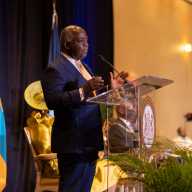
As regional leaders prepare to meet with Secretary of State Marco Rubio at their summit in St. Kitts, Cuba’s dire economic situation took center stage at Tuesday evening’s opening ceremony, with three prime ministers pointing to the desperate situation on the island.
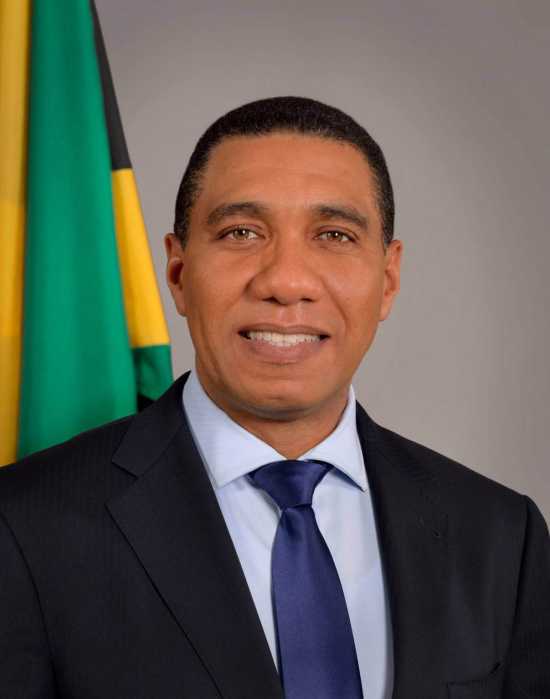
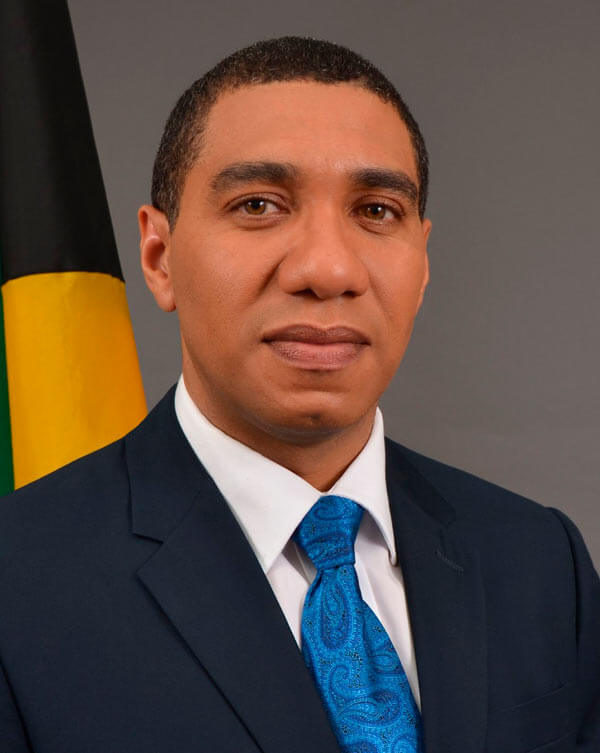
Jamaican Prime Minister Andrew Holness was perhaps the most direct in his remarks, reminding the audience that Cuba’s current situation of food, fuel, and other key shortages could lead to prolonged hardship that could cross borders and affect the wider Caribbean.
“Humanitarian suffering serves no one. Apart from our fraternal care and solidarity with the Cuban people, it must be clear that a prolonged crisis in Cuba will not remain confined to Cuba. It will affect migration, security, and economic stability across the Caribbean basin. It is, therefore, important that we carefully consider this matter and take collective action,” he said.
He suggested that Jamaica is willing to support “constructive dialogue between Cuba and the United States, aimed at de-escalation, reform, and stability. We believe there is space – perhaps more space now than in our past – for pragmatic engagement that protects the Cuban people from any further deterioration in their circumstances, and instead promotes national and regional prosperity.”
He reminded the audience, made up of leaders from nearly every member state, Arab delegations, and the Commonwealth Secretariat, among others, that Cuba has been a good and valuable friend to the region through its medical and other professionals over the years.
“Its people are part of our shared history. But today, the Cuban people face severe economic hardship, energy shortages, and growing humanitarian strain. Jamaica is sensitive to the struggles of the Cuban people,” he said.
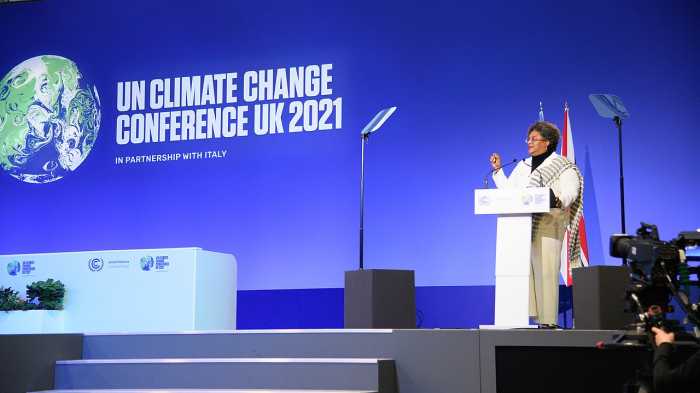
Touching on Cuba as well, was Prime Minister Kamla Persad Bissessar of Trinidad and Tobago. While sympathizing with the plight of ordinary Cubans, she urged the region not to support the dictatorship and the lack of democracy on the island. She said that every regional leader attending the summit was freely elected, but the political situation in Cuba is not so.”
Host Prime Minister and current regional Chair, Terrance Drew, who had studied medicine in Cuba, said the situation was personally hurtful to him.
“I studied in Cuba. I lived in Cuba for seven years. I have friends there. I have people who are like family to me. They reach out to me and tell me of their difficulties. Food has become terribly scarce for some. Access to water has been challenging. Garbage fills the streets. Houses are without electricity,” he said. I can only feel the pain of those who treated me so well when I was a student. I can feel their challenges and their difficulties. I do not get involved in their politics, but as a matter of humanity, it is challenging — I would say it is almost impossible — not to feel the pain that is conveyed to me in messages and calls from those whom I have lived with.”
It is not clear if Rubio, a fierce critic of the Cuban regime, will raise the issue with leaders when he meets them on Wednesday, but Washington has been pressuring governments to scale back on relations and bilateral programs with Cuba.