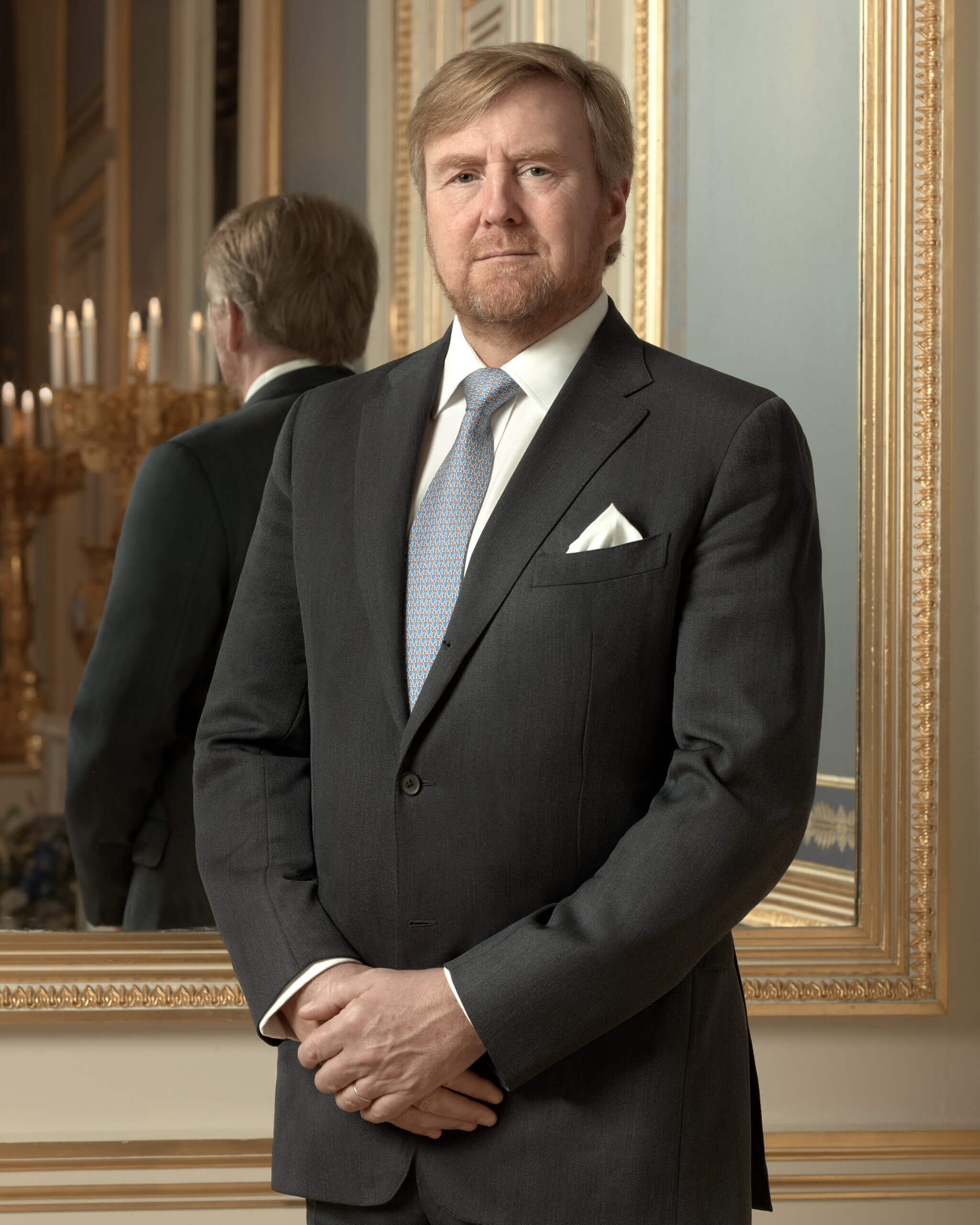
Two years ago, King Willem-Alexander of The Netherlands apologized for the brutal role of The Dutch in the trans Atlantic slave trade and offered a package of $200 million to raise awareness about the legacy of slavery.
Now on a three-day visit to the former Dutch colony, Suriname, as the CARICOM nation celebrates 50 years of independence from The Netherlands, the king and his delegation are being reminded that the $200 million grant The Dutch offered two years ago must not be considered as part of any reparations package and that the issue of compensation must remain on the bilateral agenda.
This reminder echoes the events of July 2003 when the king apologized for the devastation caused by slavery, acknowledging that the Dutch and his own family had benefited from what he called humanity’s greatest genocide.
Speaking on behalf of the king at a formal meeting with African and indigenous representatives, Dutch Foreign Minister David van Weel said that authorities had not considered the apology by the king and former Prime Minister Mark Rutte as final, signaling that there is indeed a way forward on the issue.
“The most important message is that after the apologies that were offered, we have added a comma and not a full stop. We will therefore open a fund that will contribute to a better future for Suriname,” the minister said. The king’s wife, Queen Maxima, was also on the visit this week.
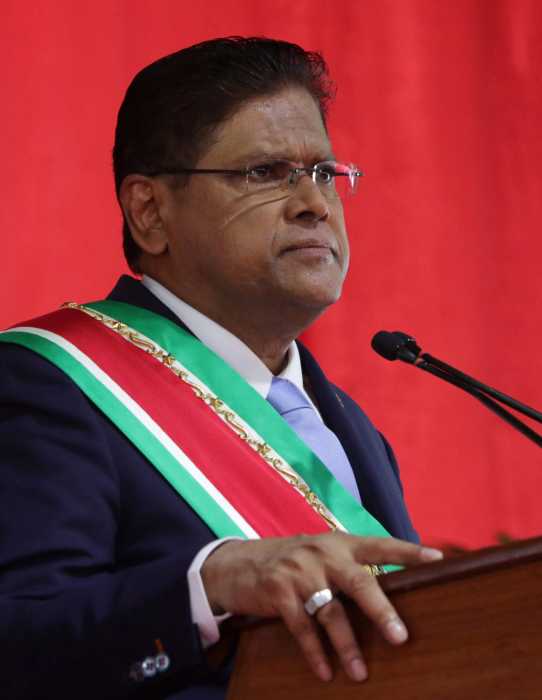
Speaking at the same meeting, Surinamese President Jennifer Simons says that the legacy of slavery lingers, and thought this was not the time and place to argue about compensation to descendants of slaves, the issue cannot be wished away.
“The losses they have suffered are significant. We’re not going to argue about that now, but this issue of reparations will have to be discussed someday,” the president said.
She pointed him to the 10-point plan that Caribbean governments have developed in planned negotiations with European nations formerly involved in the slave trade, saying that those points will serve as the guiding principles in any talks with the Dutch. The plan calls for a formal apology from the Europeans, financial assistance to deal with a plethora of issues stemming from slavery, including a chronic disease crisis, debt cancellation, technology transfer, and psychological assistance in dealing with the past.
A reparations commission appointed by governments to prepare the region in its fight with Europe, had deemed The Dutch as the most brutal and calculating of the European nations, saying they are the ones who had invented the blueprint for the slave trade.
Meanwhile, leading Surinamese newspaper editor Nita Ramcharan said in a special column welcoming the delegation that they should not be fooled or duped by the warm welcome they receive while in the land.
“Alexander, you are visiting us, and we have welcomed you as we are, warm, polite, and hospitable. But let’s be honest. Surinamese people can let someone in with a smile and simultaneously think Okay, now for serious talk. That moment is now,” she argued.