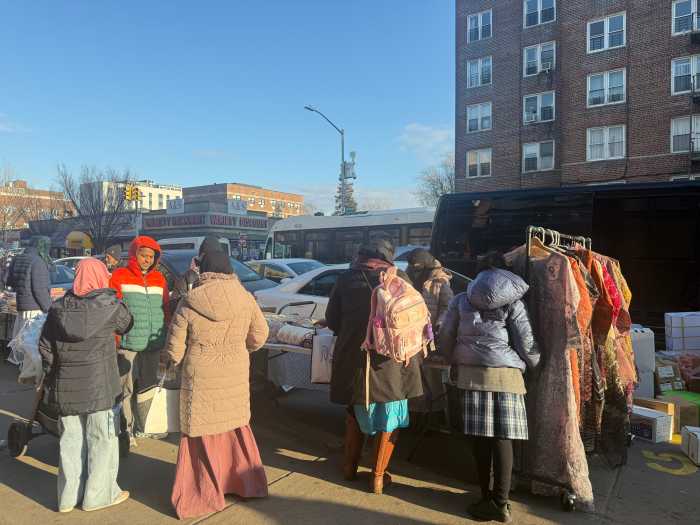
A recent report from the United States Department of Agriculture (USDA) indicates that hunger is worsening. Benefits for the Supplemental Nutrition Assistance Program (SNAP) are now at risk due to the passage of the One Big Beautiful Bill in Congress on July 4, 2025. As a result, food insecurity is becoming a bigger issue in NYC and nationally.
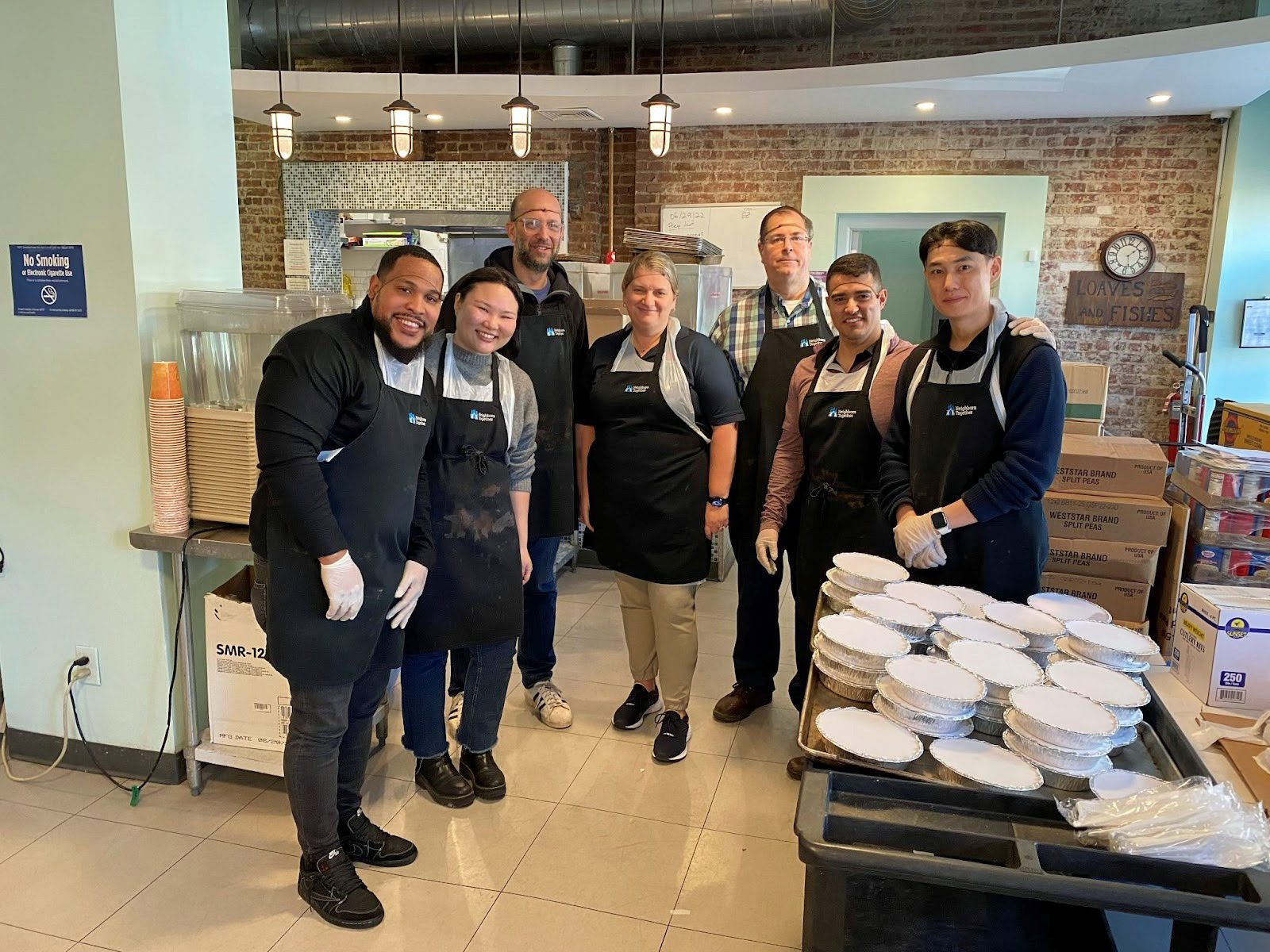
Global nonprofit WhyHunger, whose mission is to end hunger and the injustices that cause it, is collaborating with Brooklyn-based partner Neighbors Together (NT), located in Ocean Hill, Brownsville, and Bedford-Stuyvesant, to address these needs directly. As a soup kitchen, social service hub, and community advocacy center, NT provides meals, resources, and organizing opportunities that empower its members to fight poverty at its roots.
WhyHunger’s Senior Co-Director of U.S. Programs, Suzanne Babb, shared that the organizations initially met when NT were the recipients of WH’s Harry Chapin Self-Reliance Award in 2012. This award was given by WhyHunger to organizations nationwide for their efforts to transform communities through access to healthy food and social and economic justice.
Since then, WhyHunger has partnered with Neighbors Together in many ways. They have established learning exchanges, provided funding, collaborated on storytelling projects, and jointly led workshops at national conferences.
Babb emphasized the importance of supporting Neighbors Together during times of increased need, such as the holiday season, to help sustain their vital work.
Babb, discussing the impact of the partnership, stated, “Many of the members at Neighbors Together have been so generous with sharing this organizational model, their successes, and challenges at national conferences, learning exchanges and through written storytelling pieces. They have exemplified for many organizations a holistic model that can meet people’s immediate needs with dignity and respect while advocating for long-term systemic issues of hunger and poverty.”
Amy Blumsack, director of Organizing & Policy at NT, first joined the organization through Avodah, the Jewish Service Corps (JSC). She spent a year there as a stipended volunteer, doing direct service work. This experience inspired her to pursue a Master’s degree in Social Work and return to NT in 2011 as a community organizer, where she continues her work to this day.
One of the most memorable experiences Blumsack had at that time was helping with Thanksgiving, one of her favorite meals, as she loved providing table service to NT members, taking their orders, and delivering their food to their tables, just like in an actual restaurant.
“It was meaningful to me because our members deserve to be treated with as much dignity and respect as anyone dining at a restaurant. Low-income and homeless New Yorkers face so much stigma, and are often forced to interact with oppressive systems that treat them as though they’re less than, simply because they need help. I’m grateful to work at an organization that shares my core value that all human beings, no matter their circumstance, deserve to be treated with dignity, kindness, and respect,” she explained.
For Blumsack, being in service to others through NT, and watching someone take the most difficult things they’ve gone through, and then using that experience to fight for a better life for not just themselves but also their fellow New Yorkers, is incredibly powerful. She constantly admires members’ strength, passion, intelligence, determination, resiliency, and generosity.
“I love Neighbors Together’s three-program model. We have our Community Cafe, which serves hot meals to anyone in need, our Empowerment Program provides direct stabilizing services, and the Community Action Program, which I run, organizes our members to fight for a more just housing system for low-income and homeless New Yorkers. We address different levels of need from multiple angles, but all from the underlying value of caring for and respecting each other,” continued Blumsack.
She wants the organization’s approach to demonstrate how immediate needs can be met with dignity while also addressing root causes, inspiring others to adopt similar models.
“I want New Yorkers (and people across the country) to understand that most of us are just one paycheck or one crisis away from homelessness, and that homelessness isn’t a personal failing- it is the failure of government policies and systems,” she stated.
Additionally, to support those whose SNAP benefits are or will be in jeopardy, she believes local food distribution efforts will be key due to the new federal work requirements.
“In the absence of a supportive federal administration, it’s more important than ever that communities come together to invest in communal care. That can look like donating to your local soup kitchen or food pantry, volunteering time, and getting involved in mutual aid efforts,” she shared.
Explaining how this should be organized so it will be most effective, she adds, “It’s also important to contact your elected officials to push them to sign on to policies that will support low-income New Yorkers. Look for local organizations that are member-led, because folks closest to the problem will have the best ideas about what the solutions should be.”
Babb also shared this essential information: If you are looking to connect with an organization like Neighbors Together in your community, either to get help with food access or to help provide resources, you can call or text your zip code to WhyHunger’s Hotline at 1-800-5Hungry or visit our Find Food tools at WhyHunger.org/FindFood to get connected locally.