The US military has removed a high-tech military grade radar from Tobago’s international airport, and in doing so appears to have undermined every reason the local administration had used to justify its presence on the tourism-dependent island.
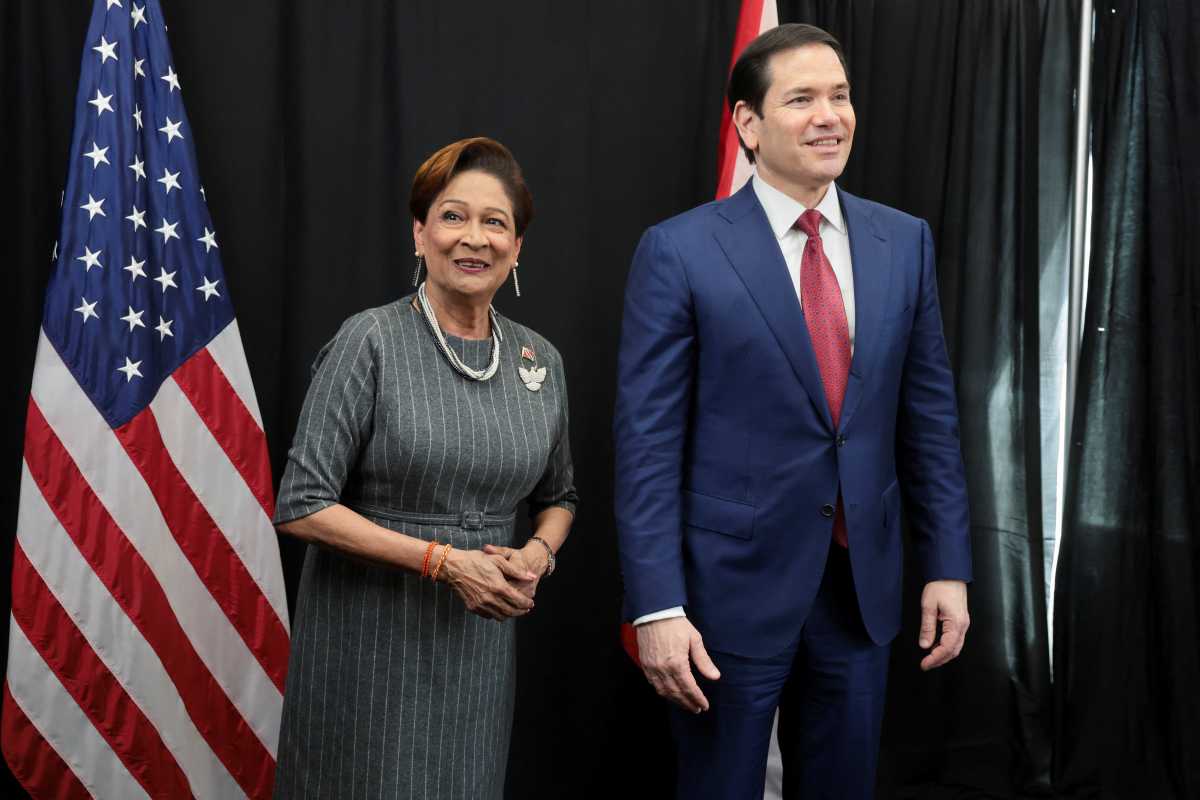
When it was first mounted on the sister isle of Trinidad late last year, Prime Minister Kamla Persad Bissesar gave a litany of explanations as to why her cabinet had permitted the US to install the radar and why it had allowed a deployment of American troops who were linked to its operations and security. Among the explanations were that the troops were helping Tobago to construct a road, that the radar was being used to spy on gangs running drugs, and that the equipment had been installed at cabinet’s request to deal with runaway felony crimes for the long term.
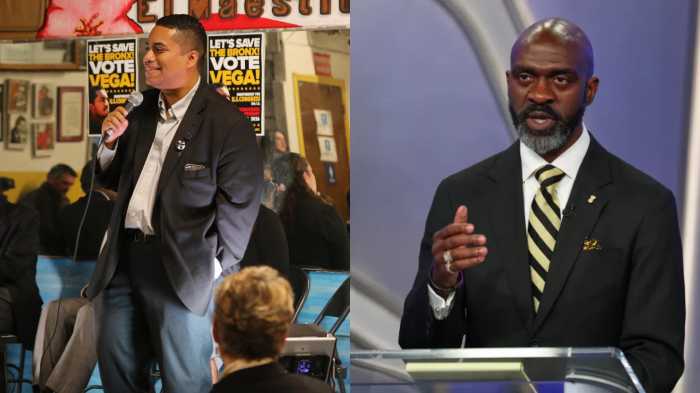
But now, local security experts and former prime minister Keith Rowley say that the removal of the radar has shown that it was never intended for local crime interdiction but rather to do with American plans at the time to deal with neighboring Venezuela and to remove Venezuelan President Nicolas Maduro from power, as was done in early January.
The administration had persistently denied doing much to help the US to facilitate American plans for Venezuela, saying only that lethal boat strikes in the South Caribbean had led to a 42% reduction in murders and at least one large cocaine find. Rowley says all these explanations are political rubbish, as the radar had been installed to deal with Venezuela and now that such operations are over, it is no longer required to be there.
“Unless the government is prepared to say we have no further need as we had earlier in the year, it is clear that this piece of mobile equipment came into our country for a particular purpose. And the purpose had very little to do with narco-trafficking. Narco-trafficking is the tool to bring about political maneuvering. The political maneuvering is over,” Rowley told reporters this week.
Local media began reporting on the now empty space at the facility near the international airport where the radar had previously been installed. They also commented on the presence of heavy duty military cargo planes which had called on the island in recent days, coinciding with the disappearance of the equipment.
Defense Minister Wayne Sturge had given an indication of the administration’s mindset, telling a recent news conference that the equipment would have been in place for “the foreseeable future. I can’t give a definitive timeline. And the reason why we need it. We already have a radar center but our radar systems are somewhat limited,” he had stated.
The US had also requested land for radar facilities from several countries, including Grenada, where opposition to its presence had come from all political sides and civil society groups. Many activists say the scars from the US invasion of the island in 1983 remain and no such piece of equipment should be allowed. Former PM Rowley, meanwhile, says all governmental excuses are now politically lame.
“Because if we get such great benefit that 42% of murders have gone down because of the US being here on radar, where are they going? Don’t you want to get to zero? But the original objective, the political maneuvering, has been successful. So, they don’t need us anymore,” he said.
Government has so far been mum on the issue. Deputy Police Chief Suzette Martin says police work will continue without the radar.
“While the system has provided useful support in certain operations, including efforts aimed at intercepting illicit activities, the TTPS continues to rely on a range of intelligence-led and collaborative strategies to effectively police our borders and territorial waters. At this time, the TTPS does not anticipate any significant disruption in ongoing operations,” she told the Guardian newspaper.