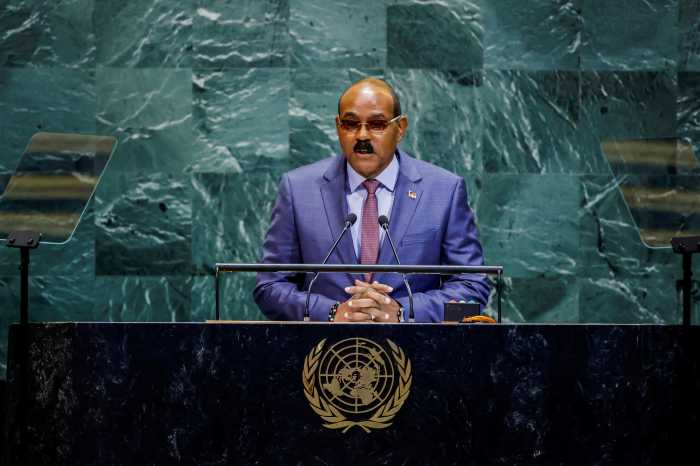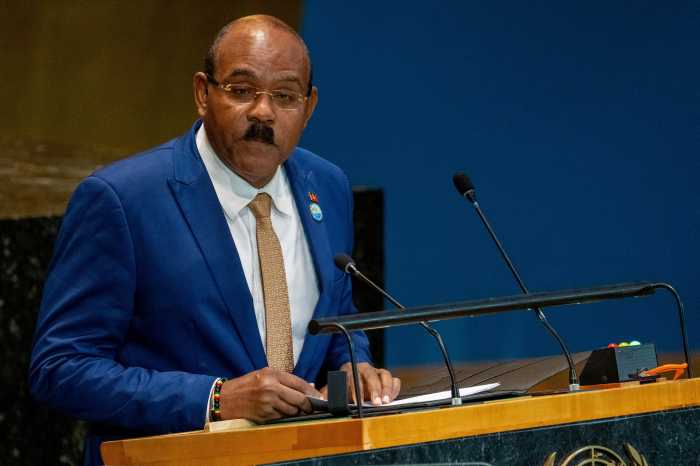
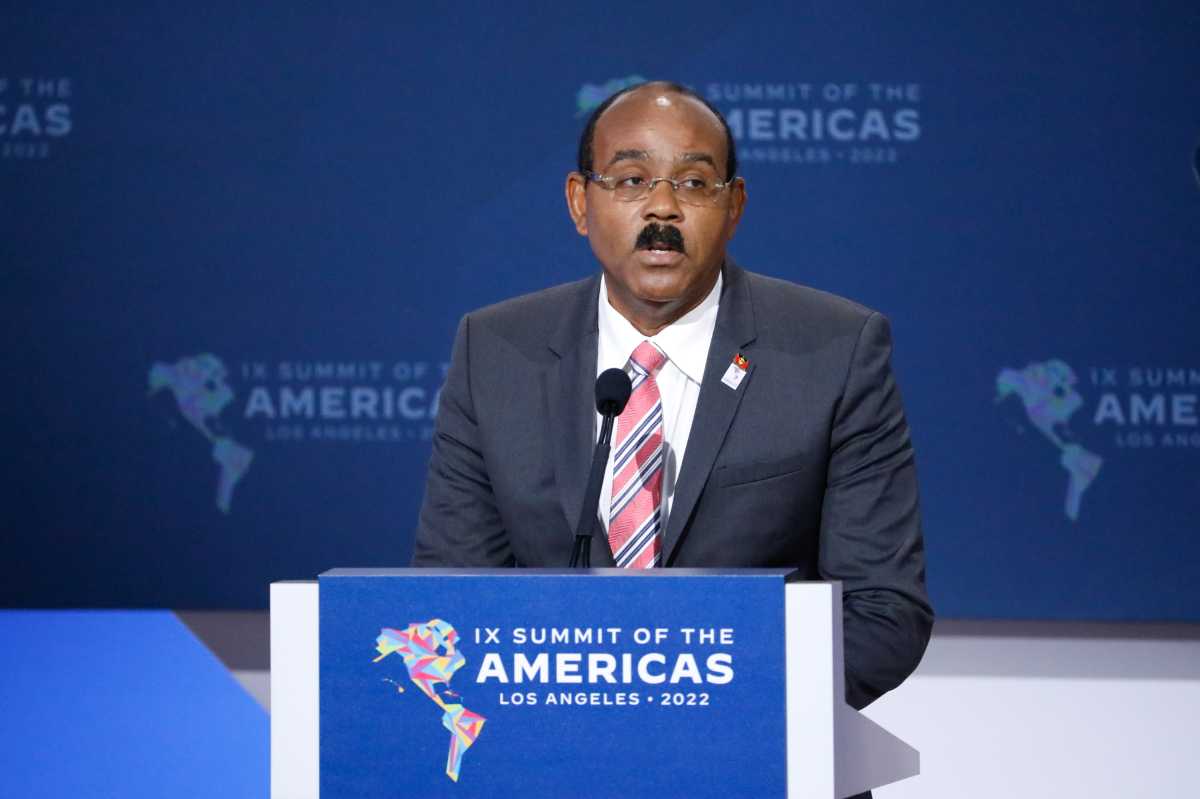
Authorities in Antigua say they are locked in talks with the US over the number of deportees it should take, with a major difference in the tally delaying the actual start of the program Prime Minister Gaston Browne said at the weekend.
For officials in the federation with Barbuda, that number should be no more than 10 per year, but the US appears to be insisting on 10 per month, constituting a major difference in approach.
Speaking on his weekly radio program, Browne, who was recently re-elected, said there is no way that the federation can take in significant amounts of deportees from the US without compromising local security and placing the government under severe pressure from the public.
“At one point I was told that they had asked us to accept as many as 120 individuals and there was no guaranteed assistance, no guaranteed due diligence. And I said to them that that is totally unacceptable,” Browne said. “I mean, can anybody justify the prime minister of this country being part of any decision, or agreeing, or being compliant with anything that is not in the best interest of this country?”
His remarks have come just a week after neighboring St. Kitts and Nevis announced that it had accepted its first batch of deportees of Caribbean origin under the so-called third country deportation scheme the US is pressuring CARICOM nations to accept.
A number of other member states, including Dominica, Grenada and Guyana are also on the list as receiving destinations. The US has said that none will be criminal deportees but rather people who are being kicked out for visa overstays and non-felony crimes.
Like other leaders, Browne is also demanding proper background due diligence checks and money to maintain the deportees once they are in the federation.
“We’re small, powerless and very vulnerable,” Browne said. “Based on that vulnerability, we have to make sure that we keep our country safe and secure. Where there is any probability for us to even inadvertently and complicity allow criminals to come into the country, as I said, that’s not in my leadership. One criminal element coming into our country can make a difference. We also said to them, too, that these persons must have travel documents because what happens sometimes is some of these immigrants who they detain as soon as they get to the US tear up the travel documents and we can’t have them come here as stateless individuals.”