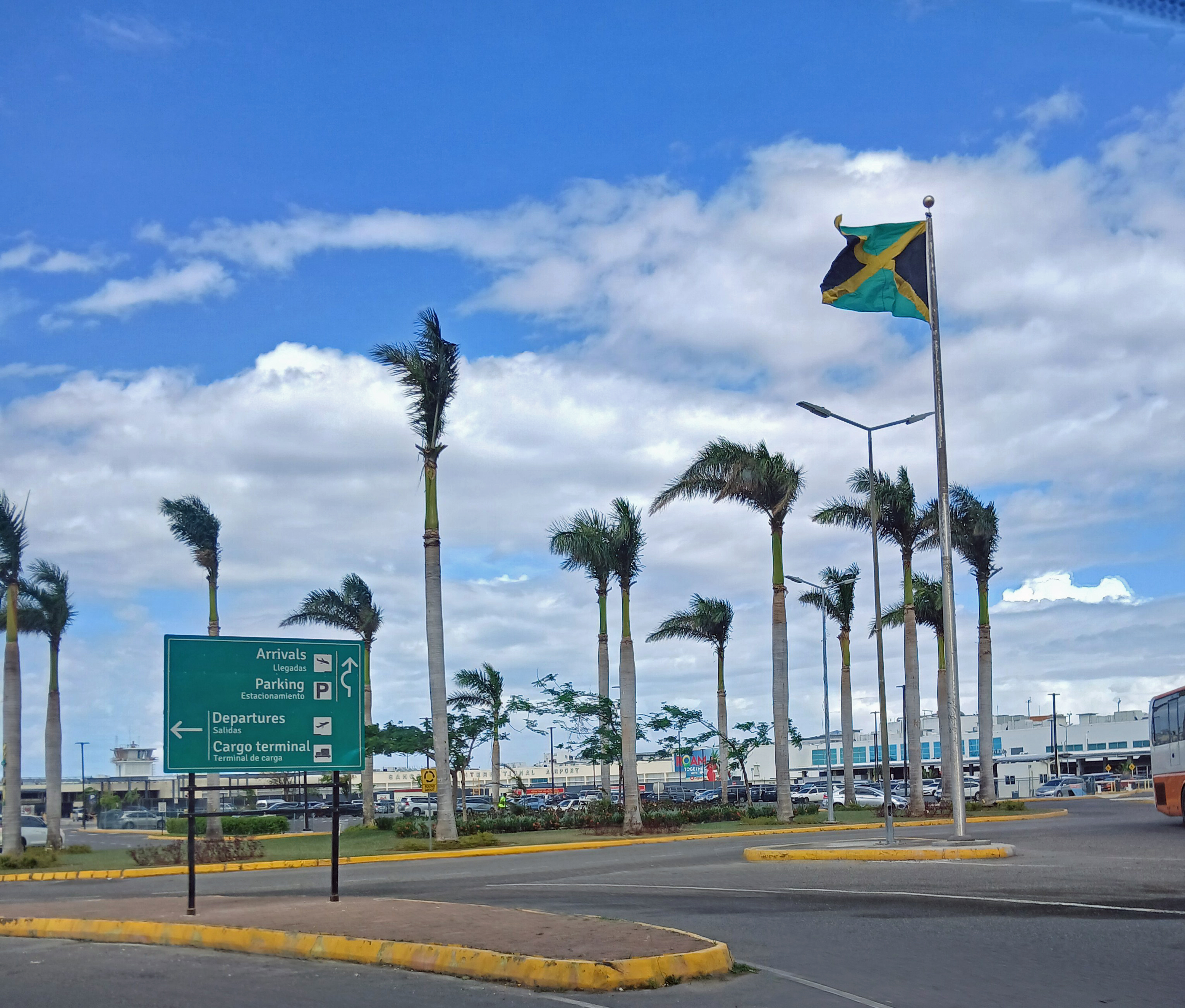
Jamaica is getting ready to begin talks with the US on accepting a relatively large number of non-national deportees, joining a long list of Caribbean Community nations bowing to American pressure to do so.
The latest word from Kingston, the capital, is that a formal document has already been prepared and the two sides will shortly commence talks for the northern Caribbean island to accept up to 100,000 deportees born outside of, and with no links to, Jamaica.
The deportation talks are under the so-called third country agreement, which has either already been signed by a few other regional bloc member states or for which talks are at an advanced stage, officials say.
The Gleaner newspaper reported on Tuesday that it had had a peek at an official document the two sides are looking at. The document suggests that Jamaica, with its population of nearly three million, could be asked to accept and cater to up to 25 non-national deportees every two weeks. This figure appears to be the largest individual, per country allotment made available publicly so far among CARICOM nations, officials say. Some of the smaller island states had discussed accepting a maximum of 10 deportees each month, saying they are financially and infrastructurally unable to cater to any more.
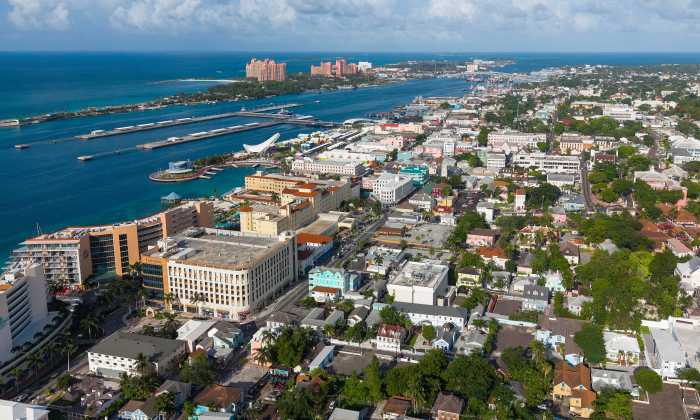
Until this week, there was little or no discussion about Jamaica, The Bahamas, and Trinidad engaging officials, but the administration of Prime Minister Phillip Davis in The Bahamas had previously ruled out the mini archipelago as a potential dumping ground for aliens the US wants off its soil.
“The Bahamas simply does not have the resources to accommodate such a request,” Davis had said as the Trump administration was preparing to take office early last year. “The prime minister’s priorities remain focused on addressing the concerns of The Bahamian people.”
The Jamaica document outlines some of the details of the proposed arrangements.
“The government of the United States of America intends to propose to the government of Jamaica to transfer to Jamaica up to 25 individuals every two weeks. If at any point, 10 or more individuals transferred by the government of the United States of America remain in Jamaica for more than 30 days, the government of the United States of America will pause proposing the transfer of additional individuals until fewer than 10 transferred from the United States under the MOU remain in Jamaica,” the document stated. Local authorities can decide to increase the figure at any time.
Like other memorandums negotiated with the US, the receiving country will receive biographical information, medical records, criminal backgrounds, and any other relevant information to assist with the transfer process, the document stated.
It is, however, not clear whether the US or Jamaica will bear the costs of boarding, lodging, and other expenses for those arriving. Some countries like Antigua had demanded such, saying they did not have the resources to take care of people not wanted by the US. They are also against any with felony criminal backgrounds and/or with links to known terror groups.
Member states like Guyana, with its booming oil and gas-propelled economy, say they are anxious to accept non-nationals, especially if they have engineering and other valuable professional skills. Those like Antigua say they must, of necessity, limit intake to avoid political and social problems.
“At one point I was told that they had asked us to accept as many as 120 individuals and there was no guaranteed assistance, no guaranteed due diligence. And I said to them that that is totally unacceptable,” Prime Minister Gason Browne said recently. “I mean, can anybody justify the prime minister of this country being part of any decision, or agreeing, or being compliant with anything that is not in the best interest of this country?”