Bahamas
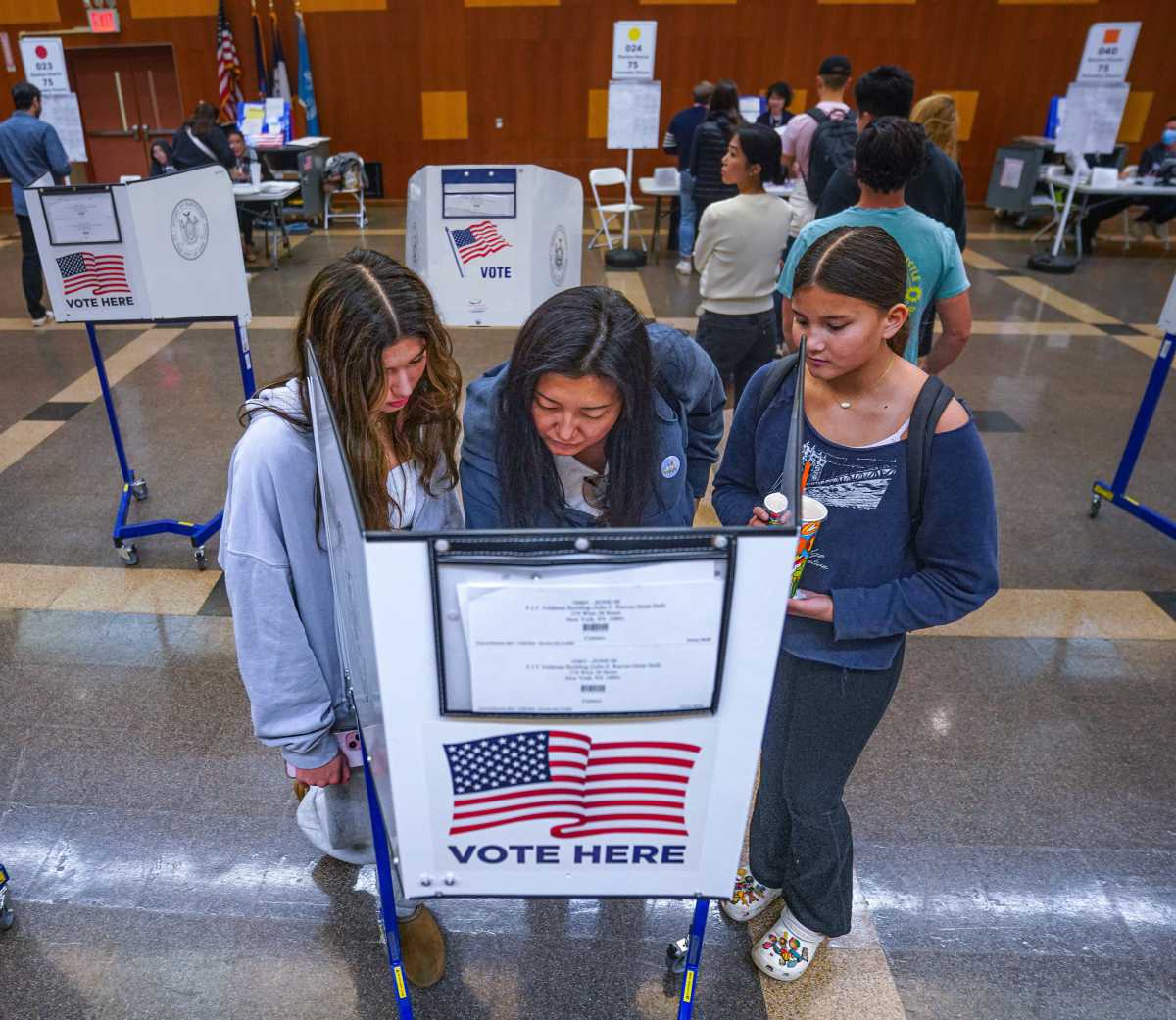
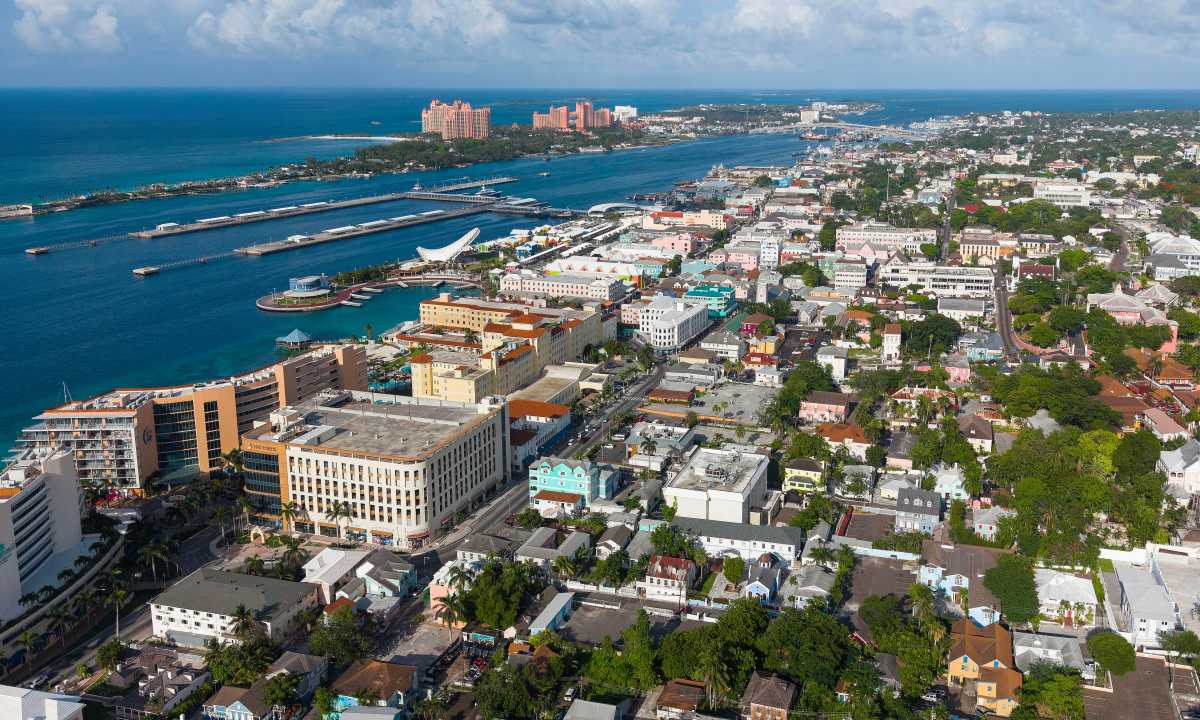
Following the recent general election in The Bahamas, an Electoral Observation Mission from the Organization of American States, led by former St Kitts and Nevis diplomat Sherry Tross, recommended several reforms to strengthen the electoral process.
Key recommendations included creating an independent electoral body separate from government control and providing greater financial, technical, and human resource support to the Parliamentary Registration Department.
It also recommended modernising the electoral system through an electronic results transmission system, wider use of biometric voter identification cards, online voter verification services, and stronger cybersecurity measures to protect election data.
The mission further called for improvements in transparency, poll worker training, and dispute resolution procedures, as well as campaign finance laws to limit anonymous and foreign donations.
The Organization of American States delegation also recommended steps to increase women’s participation in politics and address gender-based political violence.
In the May 12 election, Prime Minister Philip Davis and his Progressive Liberal Party (PLP) were re-elected for a second consecutive term, marking a historic achievement as he became the first Bahamian prime minister since 1997 to win a second consecutive term.
Caribbean
The Caribbean Public Health Agency (CARPHA) has successfully completed the installation of Molbio rapid testing platforms across 10 member states under the Pandemic Fund Project.
By the end of March, systems were set up in Barbados, The Bahamas, Belize, Dominica, Grenada, Guyana, Jamaica, St Lucia, Turks and Caicos Islands, and Trinidad and Tobago.
The platforms enhance the region’s ability to quickly detect and respond to infectious diseases, including COVID-19, influenza, malaria, cholera, tuberculosis, and others, strengthening overall pandemic preparedness and response.
“The successful completion of the Molbio installations across our Member States represents a transformative step in advancing regional laboratory capacity,” said Dr. Lisa Indar, Executive Director of CARPHA.
“By combining cutting-edge diagnostic technology with targeted workforce training, CARPHA is ensuring that countries are better prepared to detect, respond to, and manage public health threats in real time.”
CARPHA has trained more than 50 laboratory professionals to operate its new rapid testing platforms, boosting laboratory capacity across member states. The agency demonstrated its ability to deploy these systems quickly during Hurricane Melissa in Jamaica in 2025, installing equipment and training staff within days.
The platforms have reduced testing times from days to less than two hours, improving disease detection, outbreak response, surveillance, and public health preparedness.
Through the Caribbean Public Health Laboratory Network (CariPHLN), CARPHA will continue strengthening laboratory systems and pandemic readiness, while weekly data reporting from all ten participating countries will support regional monitoring and early warning systems for emerging health threats.
Cuba
A humanitarian aid ship from Mexico and Uruguay recently arrived in Havana carrying relief supplies such aspersonal hygiene products, 1,700 tonnes of grains, powdered milk, and other food items, to help Cuba address its ongoing crises.
Cuba’s food industry minister, Alberto López Díaz, said the items arrive “at a time of great economic hardship, exacerbated by the tightening of the blockade imposed on our country by the United States government.”
Relations between Cuba and the United States have become more strained as the US pursues charges against former Cuban president Raúl Castro over the 1996 shooting down of planes belonging to Brothers to the Rescue.
Meanwhile, officials said that aid would be distributed mainly to children, elderly people, and vulnerable families. Cuba’s economic and energy crisis have worsened this year due to disruptions in vital oil supplies from Venezuela.
Cuba’s economic challenges have intensified after US President Donald Trump threatened tariffs on countries supplying oil to the island.
The country continues to face fuel shortages and widespread power outages.
Several residents gathered to witness the aid ship arrival in Havana, including 52-year-old Reiniel Morales.
“Anything that comes in is good,” he said. “We have to find a way to counteract the blockade. And if there are any ships left in the world, the best thing they can do is help Cuba. Because it’s the Cuban people who are suffering.”
Morales said he has not yet received any of the aid but he remains hopeful that he will receive some in the future.
“The time will come when it will be my turn. I have two elderly people at home, my father and mother,” he said.
Guyana
President Irfaan Ali recently announced during a news conference at the Office of the President that Guyana is developing an integrated, technology-driven national security system featuring smart police stations, AI-powered crime prediction tools, and full nationwide CCTV coverage by 2030.
“What do we mean by this? It means that the normal traditional front desk offices are not required, but confidence must be there,” the president explained.
He added, the smart police stations will operate 24/7 using AI-powered systems, allowing online crime reporting, digital service delivery, integrated national databases, and real-time command and control capabilities.
“Everything that we’re doing in building out this system is geared towards enhancing citizens’ trust in the security architecture and infrastructure,” the president said.
The president said the government is introducing a digital system that will allow citizens to access police clearance services without visiting physical stations, with kiosks installed in key locations to reduce long waiting times.
He also outlined investments in artificial intelligence for predictive security, including facial recognition, behavioural analytics, automated threat detection, and smart surveillance. Speed and traffic cameras already use AI to identify repeat offenders and automatically send reports to the judicial system.
In addition, a mobile enforcement unit has been piloted, identifying over 250 vehicles with outstanding infractions in a single night on the East Coast.
“No human can interfere with the system because the system would pick them up, document it on a screen, and put it in a database,” he said.
The Safe Country programme’s national surveillance plan will expand CCTV coverage across all regions by 2030 and introduce an intelligent traffic management system integrated into the wider security network.
The system is designed to be interoperable with regional and international partners, alongside government plans to introduce digital passports and digital ID cards to support coordinated security and information-sharing frameworks.
Jamaica
Jamaica’s economy is estimated to have contracted by 5.9% in the first quarter of 2026 compared with the same period in 2025.
According to the director general of the Planning Institute of Jamaica (PIO), Wayne Henry, the decline was mainly due to the ongoing impact of Hurricane Melissa, which disrupted productive activities across most sectors. The hurricane also contributed to lower employment, reduced business and consumer confidence, and weaker domestic demand.
Meanwhile, only the financial and insurance sector and public administration and defence recorded growth.
“The hurricane’s impact was compounded by weakened external demand, largely reflecting the intensification of geopolitical tensions in the Middle East. The resulting disruptions to supply chains and surging energy prices curtailed trade flows and dampened external demand,” he added.
Jamaica’s mining sector took the hardest hit, contracting by 26.6%, followed by agriculture, down 20.3%. Manufacturing declined by 7.7%, while construction fell by 1.3%.
The tourism sector also suffered significantly, declining by 20.4% due to a 17% drop in visitor arrivals and a 27.5% decrease in stopover arrivals. As a result, visitor spending fell by 21.3% to US$976.4 million.
Dr. Wayne Henry said Jamaica’s economy is estimated to have declined by 1.7% during the 2025–26 fiscal year, with all industries affected, mainly due to the impact of Hurricane Melissa. Despite the economic downturn, the unemployment rate fell slightly to 3.6% in January 2026, down from 3.7% a year earlier.
Henry also noted that economic prospects for the April–June 2026 quarter remain generally negative.