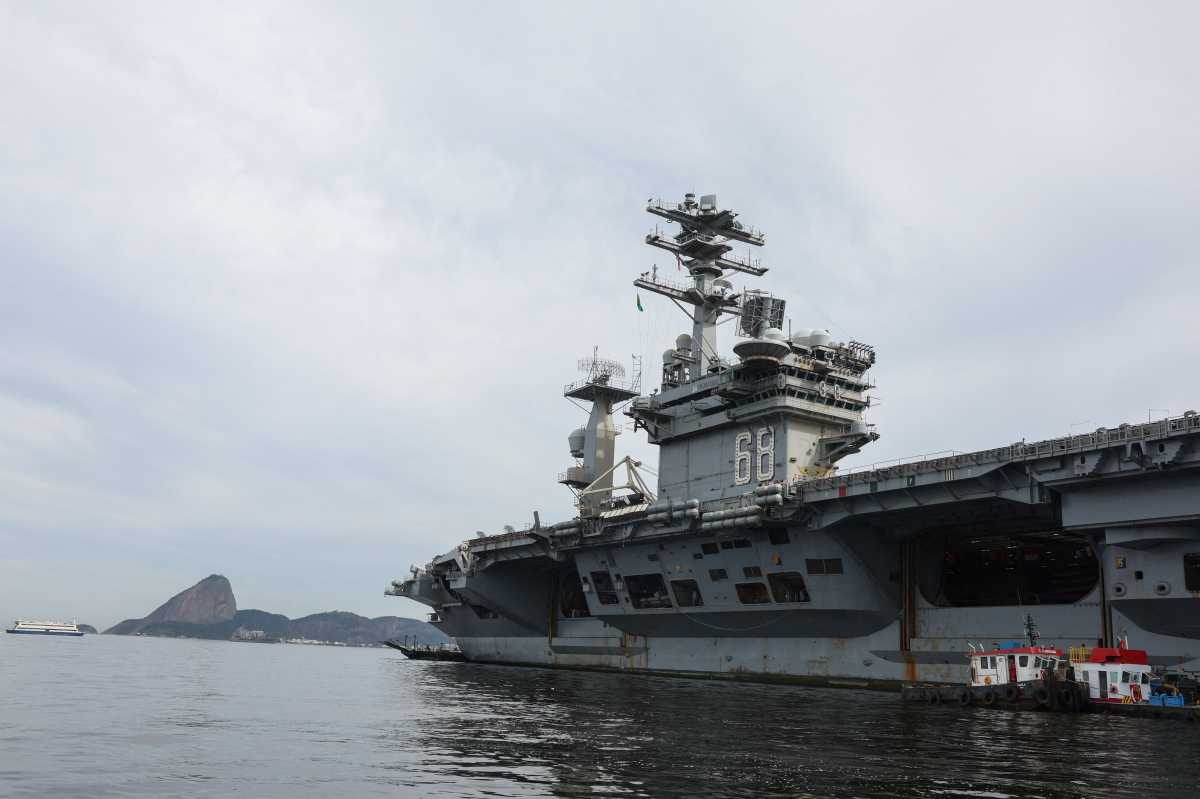
In what is widely being seen as a move to intimidate Cuba or even for advanced preparations to launch an attack against the island, the Trump administration has moved one of its most powerful aircraft carriers to Jamaica, just 90 miles south of Cuba, as tensions between the two escalate.
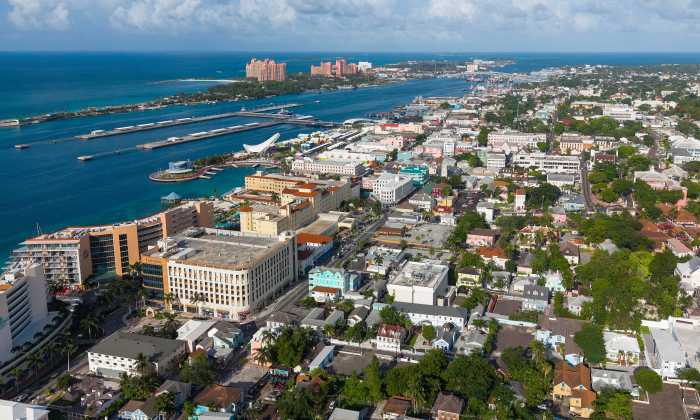
The American mission in Kingston, the capital, announced the June 1-5 visit of the USS Nimitz over the weekend, saying the docking will “serve as the final stop in a multinational goodwill deployment that has taken the carrier throughout South America and the Caribbean.”
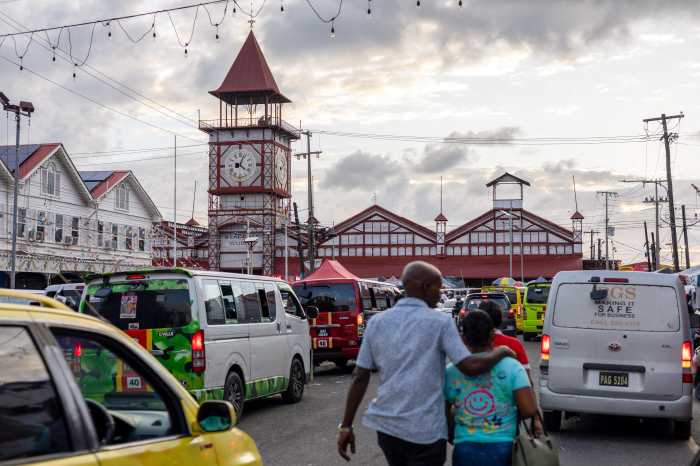
The Nimitz has already docked offshore Guyana and Suriname in the past two weeks where senior cabinet ministers, top military officials and others were flown out to the massive vessel for a day-trip and exchange visit.
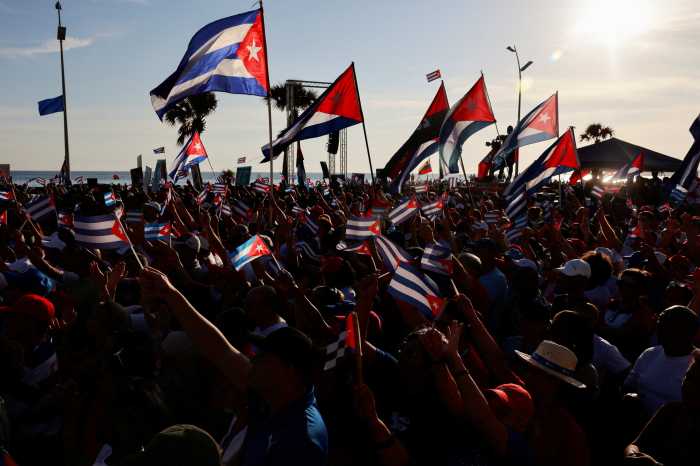
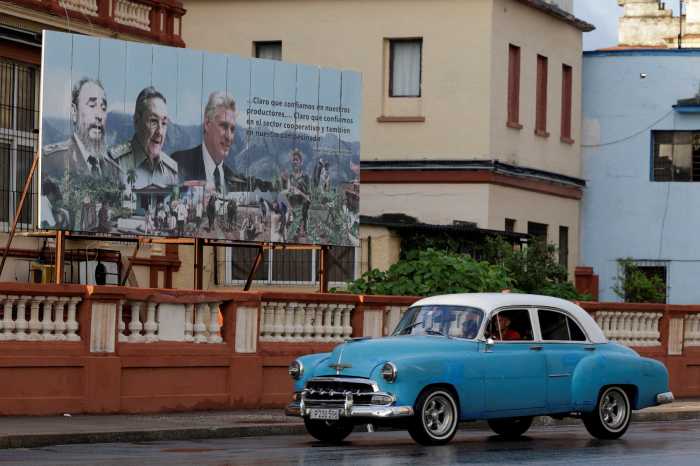
But critics around the world are wasting little effort and time trying to expose the visit for what it might be worth — that is, to either intimidate Cuba or to use Jamaica as a launching pad to attack the finance and fuel-starved island, as President Trump has threatened in recent weeks.
The American mission through Charge d’Affaires Scott Renner maintains that the visit is a goodwill one linked only to the 11th iteration of operation
Southern Seas was announced back in March by U.S. Naval Forces Southern Command. Jamaica, the mission stated, will serve as the final stop in a multinational goodwill deployment that has taken the carrier through parts of the South and now to the North Caribbean, the announcement stated.
“The visit underscores the depth of the U.S.-Jamaica bilateral relationship and the importance the United States places on its enduring partnership with Jamaica. The visit of a U.S. aircraft carrier to Jamaica marks an important milestone in the longstanding partnership between our countries. Beyond strengthening maritime cooperation and regional security, this visit creates opportunities for meaningful people-to-people connections and economic benefits for local communities. We are proud to welcome these sailors to Jamaica and to continue building on the strong ties between our two nations,” said. Renner.
The presence of the vessel in Jamaica comes just days after regional foreign ministers had issued one of their strongest statements in recent decades in support of Cuba, expressing deep “alarm about recent statements (from the US) that suggest the possibility of military aggression against Cuba. Any such action would inflict unnecessary human suffering, impose grave material costs, and fundamentally destabilize the security architecture of the entire Caribbean region,” the bloc had stated.
Incidentally, Guyana and Trinidad, two of the nations called on by the Nimitz and its support vessels, had expressed reservations about the statement and asked that such reservations be laid bare on official documents. The two have also been openly supportive of US military and other policy decisions in the Caribbean and northern South American in the past 18 months. In fact, Trinidad had allowed the US to set up military radar monitoring Venezuela and for troops to stage exercises on its soil, much to the chagrin of the opposition and other critics.
As the five-day visit begins in Jamaica, seasoned regional politicians and diplomats like Barbadian David Commissioning want the Caribbean region to help Cuba and for the US to abandon its unhumanitarian embargo against the island.
“Without a doubt, the current situation in our sister Caribbean nation of Cuba constitutes a severe humanitarian crisis that demands a significant and meaningful response from all people and governments of conscience,” Ambassador Commissioning said. “Cuba is now the immediate target, but beyond Cuba is the entire edifice of multilateralism and international law as represented by the UN organization that produced some 33 successive resolutions condemning the US embargo as illegal and demanding its termination. And, in light of the ‘special relationship’ that has existed between Cuba and the Caribbean Community (CARICOM) over the past 53 years, it most definitely demands a response from the citizens and governments of CARICOM.”