The New York City-based disability-led film company ReelAbilities hosted its annual film festival, featuring films highlighting experiences with various disabilities, with people from across the country and worldwide involved.
The festival, held April 23-30, was founded by Isaac Zablocki, who shared that his greatest influences in life include the festival’s co-founder Anita Altman, because she understands the power of film and community engagement. Zablocki is also inspired by Lawrence Carter-Long, its director of engagement, who taught him to reframe disability and break with classic film elements; and Ravit Turjeman, its COO, who taught him how to make a festival more accessible, raise the bar on production, and make ReelAbilities a first-class event.
Disability has always been a part of Zablocki’s life.
“For my learning disability, film was a powerful tool for education and impact. That is why I thought it was important to show these films,” he said.
According to Zablocki, planning the festival yearly is extremely complicated because there is much more to other festivals to coordinate regarding accessibility and inclusion efforts.
“As for selection, we have a few diverse committees that look for great films that show disability in a new light and come from an authentic place. We coordinate with over 20 locations, professionals, and partners from the disability community to find the best films. We also aim to diversify our films and make sure there is something for everyone,” he added.
Zablocki hopes communities are first of all entertained and moved by the company’s films.
“In terms of disability, I hope our films help show audiences that this is not a topic to shy away from and the human experience is universal,” said Zablocki.
A few of the films featured this year were “Concerto for Other Hands (2024),” directed by Ernesto González Díaz; “Espina (2025),” directed by Daniel Poler; and “Dream Touch Believe (2025),” directed by Jenna Naranjo Winters. González Díaz is from Mexico, while Poler is from Venezuela and Panama. Winters is originally from New Mexico, and she’s a member of the Santa Clara Pueblo Indigenous Reservation.
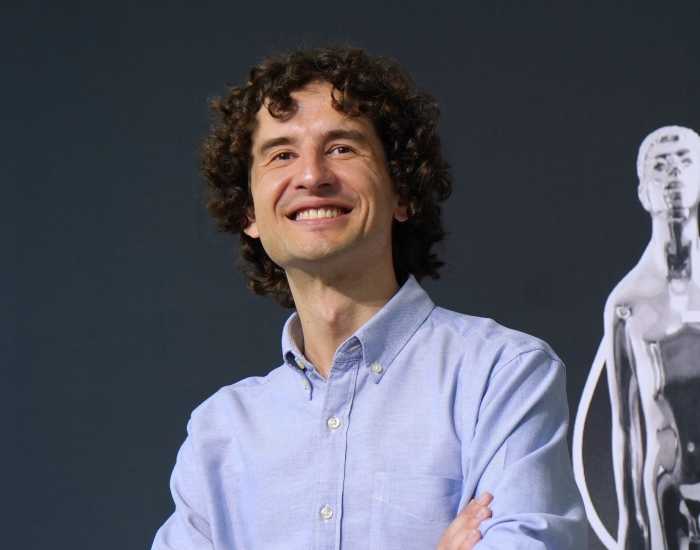
Some things people may be surprised to know: Besides being a filmmaker, González Díaz is also an anthropologist. Poler plays the guitar and he loves anime. Winters used to play the harp, and she loves to eat really spicy food.
For González Díaz, his interest in filmmaking started at a young age when someone took him to a movie theater, and it was a life-changing moment for him. He didn’t know that studying film at university was possible, but once he realized he could, that’s when he felt that he wanted to pursue it as a career.
Similar to González Díaz, Poler was introduced to movies as a young child through his uncle who loved showing him Italian neorealist films. This, in addition to living with his best friend Jonathan Benaim, the main character in his film, and his family, led him to become a filmmaker.
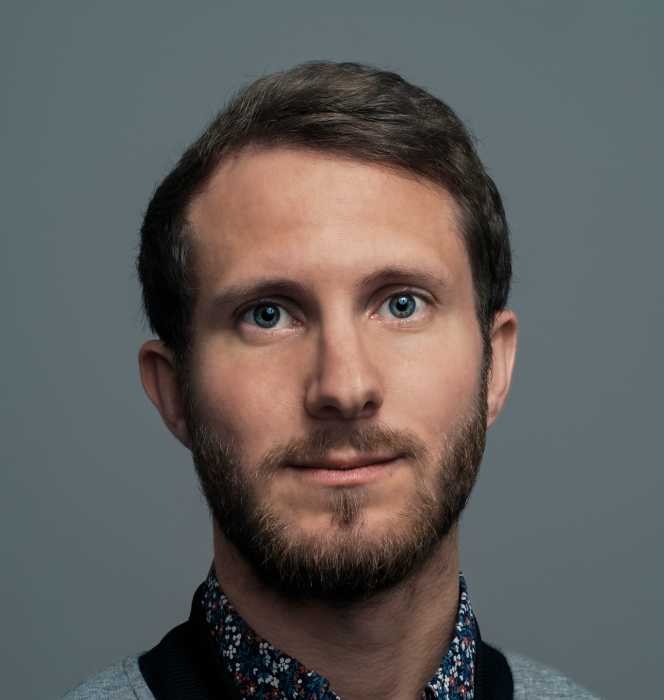
Winters never grew up wanting to be a filmmaker. She actually was a journalist for most of her career, but without a doubt, her parents had the greatest influence on her path toward becoming a filmmaker.
Concerto for Other Hands (Spanish: Concierto para otras manos) is a film about a young man called David, who was born with Miller Syndrome. González Díaz shared that it is a rare condition, and people with it can have only 4 fingers on each hand, and smaller hands, with limited movement, and they can also have limited hearing.
González Díaz’s film is about David, who was born in a family of musicians. From the moment that he’s born, his father, a well-known pianist, had this dream of sharing piano and music with him. Though it seems impossible, David and his dad go on a journey to find a way to make a team and make it possible together.
A few years back, González Díaz wanted to make a project about a pianist or music, and through one of his associates, he met David and his family by chance. This was a rewarding experience for him since he didn’t know many people with disabilities prior to this, and though the crew was small, everyone felt very close.
Filmed in Panama with a huge team, Espina tells the story of Benaim, a 27-year-old man dealing with PVL, which is a syndrome that gives him little mobility. The film is about him going on this journey to face the doctor who caused his disability. So he takes a trip from Mexico City to Panama to find him.
Winters’ film, “Dream Touch Believe,” is about her family, about her mom and dad, specifically her dad, who lost his eyesight in the Vietnam War at just 23 years old. It took more than 10 years for her to finish it, as a labor of love.
Poler said having Espina as part of the festival made him reflect a lot on what ReelAbilities represents, since the festival really aligned with the values of his film and allowed his team to show this to a community that values this beyond what other people consider limitations.
More than just enjoying the film, Ernesto said, “I’d also like the film to empower the families and caregivers of people with disabilities, because I think usually the spotlight is only on the person with disabilities, but in many cases, their stories would not be possible without the love, care and support of their families, caregivers, teachers, etc.”
Winters made her film in hopes that it would bring a new perspective to viewers, and allow them to learn something about themselves and others around them who may not have the same history and appearance as them.
“I felt really grateful to have shared this at ReelAbilities because I did get such a great emotional reaction from the audience. It just really warmed my heart, and gave me the courage to keep sharing this story with new audiences, with all audiences, and I really feel like that’s what ReelAbilities is all about.”