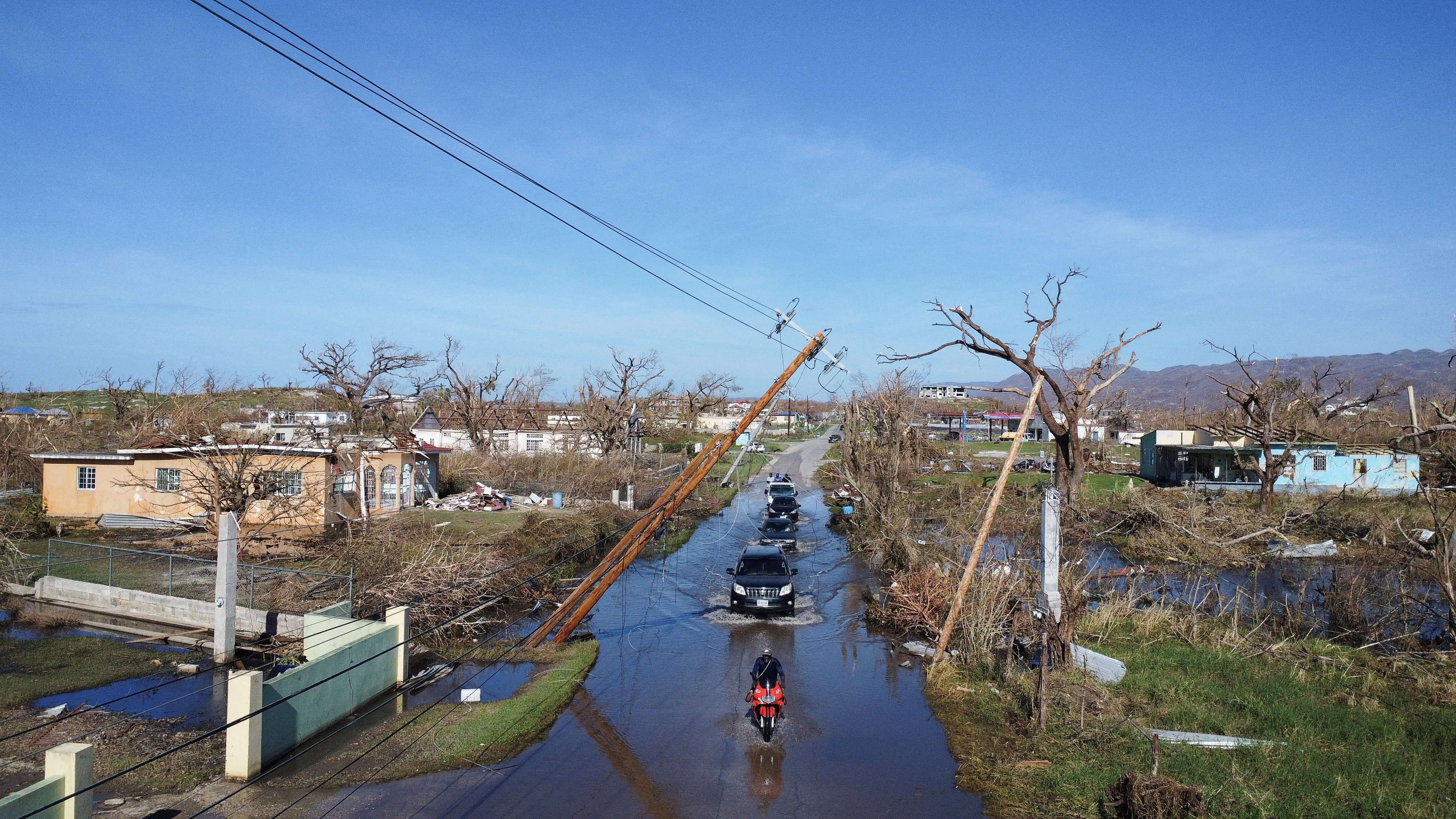
Jamaica is an island in the Caribbean Sea; its location makes it vulnerable to hurricanes. During hurricane season, the Caribbean Sea’s warm water fuels rapid intensification, often leading to widespread infrastructure damage and loss of life.
The infrastructure in Jamaica is old, weak, and outdated, with clogged gutters, inadequate drainage, and under-resourced, aged roadways. Jamaica needs to implement a strong National Building Code to combat unsafe construction practices, with a focus on enforcing strict standards to enhance disaster resilience.
The devastation after Hurricane Melissa has again reminded politicians of the urgent need to invest in the country’s resources and update the infrastructure. The politicians need to implement a policy to enforce and monitor building code inspections, ensuring compliance with safety rules to avoid a repeat of history.
I am Shernette Simpson, a Jamaican born who practices mindfulness meditation and leans towards a plant-based diet. I studied social pedagogy, which focuses on empowering holistic development, equity, and social inclusion. I am educated in Sociology, Health and Human Services, Therapeutic Recreation, and Psychology, and am currently pursuing a graduate degree in Public Health at SUNY Downstate with a focus on Community Health Sciences. My work in social services focuses mostly on child welfare and mental health.
Repeated trauma from failed infrastructure
Jamaicans are no strangers to hurricanes, one of which still stands out to Jamaicans today. Hurricane Gilbert destroyed a vast portion of the island on Sept. 12, 1988, and took more than 390 lives. Today, residents are still coping with that loss. You may wonder why I am going back 35 years and what the correlation is between the two hurricanes. I mentioned it because I want to highlight that the damage from Hurricane Melissa is not an isolated case but a pattern of destruction shaped by the composition of infrastructure.
This little island is facing various disparities, including economic inequality, affordable education, health disparities, and climate change. On Oct. 28, 2025, Jamaica was hit by a catastrophic, record-breaking storm that damaged the country’s agricultural, livestock, fishery, and other food sources, thus devastatingly impacting lives once again.
Destruction of the food basket
The rising food prices affect residents living in the Western end of Jamaica due to the inclement weather caused by Hurricane Melissa. Melissa’s eye made a direct hit on the Western end of the country, which encompasses three of the six parishes that were severely damaged.
A major hit to the Northwest section, St. Elizabeth, and the surrounding regions, as they are home to tourism hubs. St. Elizabeth is a major focus because it is the country’s ‘breadbasket,’ where much of the country’s food is grown.
Sadly, over 85% of the structures in that area were immensely damaged. Scientific findings reveal that a climate-smart approach to agriculture can build stronger infrastructure and secure the country’s food and water supply.
Sustainability
Jamaica needs a well-designed intervention to implement strict policies that enforce safety laws and ensure a robust infrastructure to anchor roofing during stormy seasons. And Jamaica needs stakeholders who will partner with international climate change professionals to provide insight and support for rebuilding and restoring roadways and updating water mains. This will change the old trajectory and provide climate-smart agriculture. Smart policy-formulated approaches to farming that will enhance resilience, increase farm productivity, and accelerate the change.
Jamaican people are resilient and hardworking; hence, the key need of the nation is to continue placing them at risk while investing in climate-resilient infrastructure. This will require money the country does not have on hand, but with a partnership and adjustments to the financial budget for immediate intervention, funds can be allocated and tasks distributed to improve the process.
There is a need for an irrigation system and an upscale shift to farming practices that encourage a longer-lasting food supply, undisturbed by rainfall. Farmers need modernized resources and support for smart agricultural applications to preserve the country’s breadbasket.
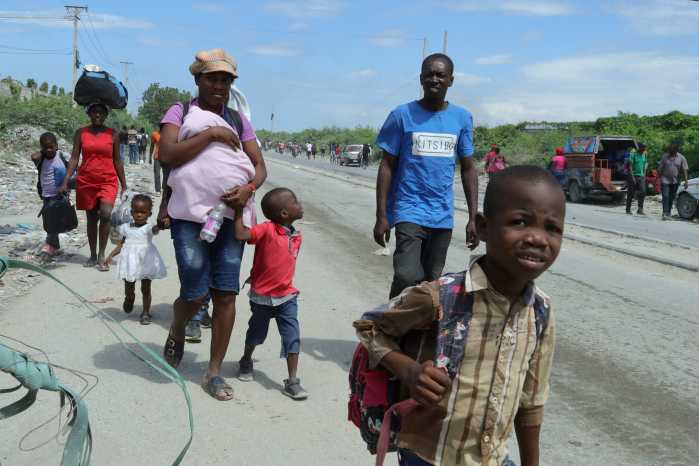
Jamaica gets water from various sources, such as surface water, rivers, springs, and primarily groundwater. The current displacement has people squatting here and there, living wherever they can find shelter, without adequate access to bathrooms. Hence, environmental hygiene is an issue, particularly in the quality of drinking water delivery.
Politicians need to coordinate plans to modernize infrastructure and enforce building code inspections, ensuring compliance with safety rules to avoid a repeat of history.