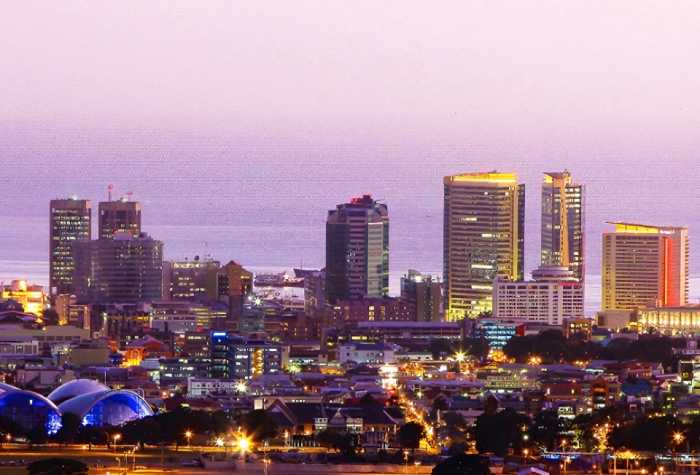
In an unexpected move, Trinidad and Tobago’s government designated several Middle Eastern groups as terror organizations and will freeze any related local assets, officials said this week.
Following orders published in the official gazette on Monday, Hezbollah, Hamas, and Iran’s Islamic Revolutionary Guard Corps (IRGC) are now listed as international terrorist organizations under the Anti-Terrorism Act.
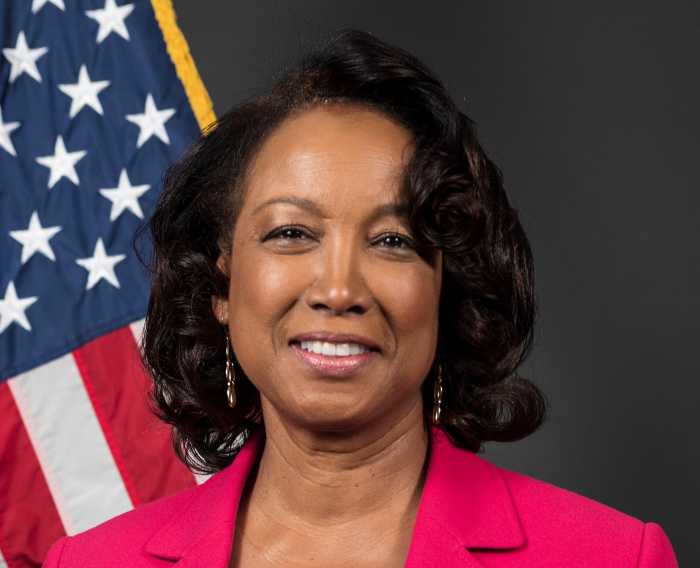
Attorney General John Jeremie noted that, over the past week, local Supreme Court judges issued the orders. Notably, a clause requires a systems review every six months, with the first review to be conducted from the date of the orders.
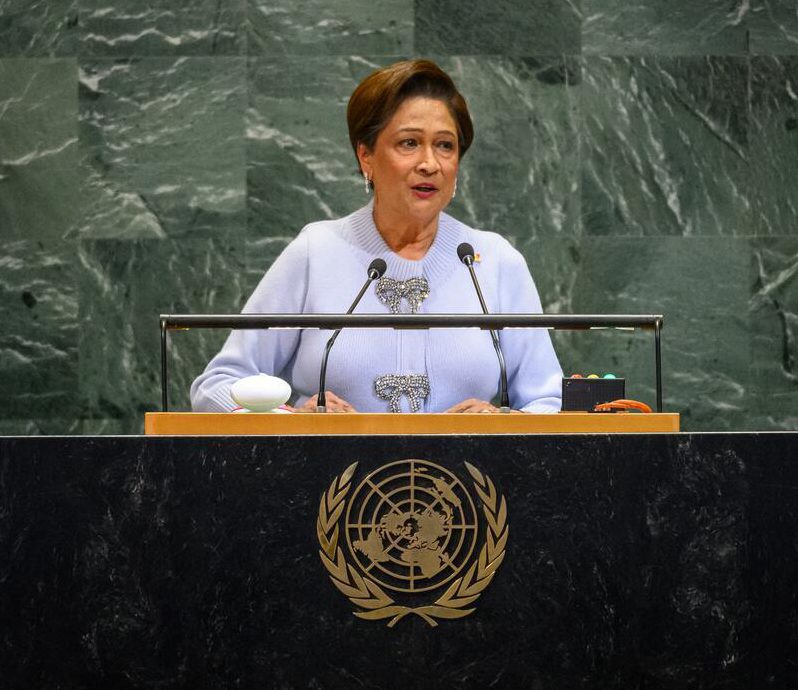
Following the announcement by the Prime Minister Kamla Persad Bissessar administration recently, Islamic groups across the federation — particularly in Trinidad — held emergency meetings. In these meetings, leaders expressed fears of further stigmatization of the Islamic community. Furthermore, some argued the move was unnecessary and may have been influenced by orders from Washington, the Guardian newspaper reported.
The groups are upset as well, arguing that there is absolutely no evidence that the three organizations have any links or influence within the federation. Meanwhile, notices have been sent to the financial intelligence unit and to commercial banks, ordering them to comply with clauses linked to international terrorism, money laundering, and other financial crimes.
Coinciding with the government announcement, the U.S. issued a travel advisory to its citizens. The advisory warned of violent crime and the possibility of terrorist acts, urging caution when visiting the country.
The advisory, published this week, stated: “There is risk of terrorist violence, including terrorist attacks and other activity in Trinidad and Tobago. Exercise increased caution due to limited health care in rural areas in both Trinidad and Tobago. Medical services for routine and emergency procedures in those areas are limited.” This advisory underscores ongoing international concerns.
Violent crime has greatly dropped since 2024 due to prior security measures, but crime remains a challenge nationwide. Tobago’s rates are lower than Trinidad’s.
These new measures come against a backdrop of past domestic terrorism in the oil and gas-rich federation, highlighting ongoing security concerns.
This historic event further underscores the government’s current vigilance on security. For instance, on July 27, 1999, a local Muslim organization staged an attempted coup aimed at toppling the then administration of Prime Minister Ray Robinson.
Convinced their actions would trigger popular support in response to the country’s harsh economic situation, more than 100 heavily armed Jamaat al Muslimeen members attacked parliament, the state-owned television station, and other facilities while protesting the country’s condition.
PM Robinson was shot in the leg in the assembly. Meanwhile, legislators were held hostage for several days as large sections of the commercial Port of Spain burned and were looted. During this period, 24 people — including police officers, lawmaker Leo Des Vignes, civilians, and government officials — were killed.
The standoff ended nearly a week later, with Jamaat members surrendering and being hauled off to prison. This resolution signaled a turning point in the nation’s relationship with domestic terrorism.
In response to these past events, security officials have vowed that there will be no repeat of the events of 1990. This ongoing vigilance characterizes today’s security environment.