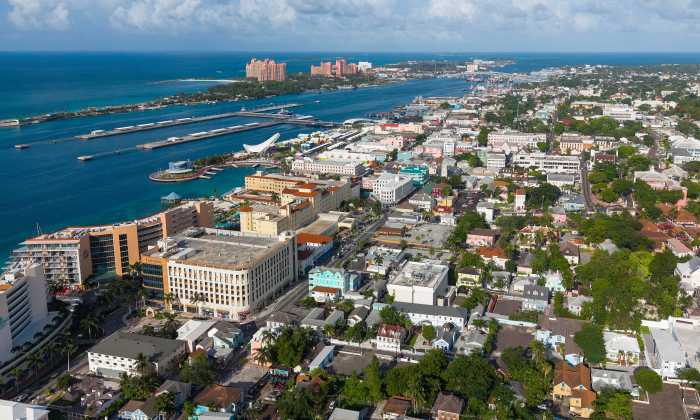
The Government of The Bahamas, with funding from the Green Climate Fund, has launched a Free Energy Audit Initiative to help Micro, Small, and Medium-sized Enterprises reduce energy costs, improve efficiency, and strengthen long-term sustainability and resilience.
Emissions Registrar in the National Emissions Registry (NER), Larissa Cartwright, said, “The initiative is an opportunity for MSMEs to understand their energy use to identify opportunities for energy reductions and savings. This impacts the cost of doing business, employment figures, and the availability of critical funding that flows throughout our communities.
As the Government continues to foster partnerships with MSMEs to promote energy efficiency and energy savings; businesses need to take advantage of Government-driven opportunities that assist the country in transitioning towards greater sustainability and reliability.”
The Free Energy Audit Initiative is being carried out with support from the Caribbean Community Climate Change Centre, the Climate Change & Environmental Advisory Unit, and the National Emissions Registry. Its first phase will target MSMEs in sectors such as commercial, manufacturing, hospitality, and agribusiness in Abaco, Eleuthera, and New Providence.
Participating MSMEs will receive free energy audits worth about US$2,500, carried out by qualified professionals. The audits will assess energy use, suggest ways to cut utility costs, improve efficiency, support renewable energy measures, and identify electrical problems affecting equipment reliability.
The initiative is part of The Bahamas’ wider efforts to boost energy efficiency, lower emissions, and encourage sustainable economic growth.
Caricom
Gasoline prices increased in most Caricom countries between July 2025 and May 2026, with seven of 11 markets recording higher prices. The regional average rose from US$1.32 to US$1.41 per litre, an increase of 6.9%, which was lower than the global average increase of 21.8 per cent over the same period.

Four Caricom markets saw lower prices, though The Bahamas recorded only a slight decline. Rising tensions around the Strait of Hormuz and disruptions caused by the Iran war also pushed international oil and gasoline prices higher, with US gasoline prices increasing by more than 40 per cent since February due to refinery outages and tighter supply.
US gasoline prices rose sharply during the Iran war, increasing by 31 cents in one week to US$4.54 per gallon, which was 52 per cent higher than before the conflict began. Oil prices have remained unstable due to tensions near the Strait of Hormuz, uncertainty over ceasefires and concerns about supply disruptions.
These global price changes affect Caricom countries because higher crude oil costs can lead to more expensive imported fuel, though the impact on local pump prices depends on each country’s tax policies, subsidies and fuel pricing systems.
Among Caricom countries where gasoline prices increased, the average rise was 14.9%, showing that government subsidies, taxes, and pricing controls helped reduce the impact of rising global oil prices.
Haiti recorded the largest increase at 29.5%, while Guyana had the second-highest increase of 23.5% but still maintained the region’s lowest gasoline price. Jamaica, Grenada, Belize and Suriname also saw notable increases. Meanwhile, Trinidad and Tobago’s gasoline price stayed mostly unchanged at US$1.14 per litre due to its fixed fuel pricing and subsidy system.
Barbados remained one of the most expensive fuel markets in Caricom, though gasoline prices fell by 4.6% from US$1.94 to US$1.85 per litre between July 2025 and May 2026. The decline was linked to a fuel relief package in the country’s 2027 Budget.
St. Lucia and Dominica both recorded lower gasoline prices during the period reviewed. St. Lucia’s price fell by 3%, from US$1.34 to US$1.30 per litre, as the government continued using subsidies and a modified fuel pricing system to reduce the effects of global oil price changes.
Dominica’s gasoline price declined by 4.5%, from US$1.33 to US$1.27 per litre. The decrease was mainly linked to the country’s regulated fuel pricing system rather than new tax cuts.
The Bahamas recorded little change in gasoline prices, with a slight 0.5% decline from US$1.47 to US$1.463 per litre between July 2025 and May 2026, despite global oil market pressures pushing pump prices higher.
Overall, the 2026 data showed that gasoline prices increased in most Caricom countries, but the regional average rise was still much lower than the global increase.
Guyana
Guyana’s President, Irfaan Ali met with Dominican Republic President, Luis Abinader Corona to strengthen cooperation in energy, petrochemicals, agriculture, and regional energy security.
Ali called the discussions a “historic day” as both countries seek to improve Caribbean energy security. Also in attendance were president of the Board of Directors of the Dominican Oil Refinery, Samuel Pereyra, and other officials.
The discussions included possible investments in the Berbice Block and wider cooperation in refinery development, petrochemicals, and regional energy security. Ali said the talks continue efforts started in 2023 between Guyana and the Dominican Republic to build strategic partnerships.
“At that time we spoke of the establishment of a refinery, and we would love to continue the discussions and see how we can arrive at a model that can build energy and sup-ply security for Guyana and the rest of the region,” Ali said.
Ali said Guyana’s Gas-to-Energy project at Wales could create more opportunities for private sector cooperation with the Dominican Republic. Both governments also welcomed growing business partnerships in agriculture, energy, and petrochemicals.
Haiti
A new surge of gang violence in Haiti has forced hundreds of people to flee their homes, with many seeking shelter along the road to the country’s main airport.
One woman, Monique Verdieux, said she escaped after armed men burned homes in her neighborhood, leaving her separated from her family and she is unsure of where they are.
“I am now sleeping in the street,” said Verdieux, noting it was unsafe to return.
Violence between gangs in Port-au-Prince has displaced many residents and worsened insecurity, pushing many of them on a road near Toussaint Louverture International Airport.
Gangs now control a majority of the capital following the 2021 assassination of Jovenel Moïse, with crimes such as kidnapping, looting, and sexual violence spreading across the country. Haiti has not had a president since the assassination.
Companies including Rhum Barbancourt warned that security conditions near the airport are deteriorating and criticized the government’s response as inadequate.
“You cannot secure an airport if you allow the roads around it to degrade,” the statement read.
In April, the first foreign troops connected to a United Nations-backed anti-gang mission arrived in Haiti to help combat violence.
The United Nations Security Council had approved a 5,550-member force in September, but the full deployment has not yet arrived.
Trinidad and Tobago
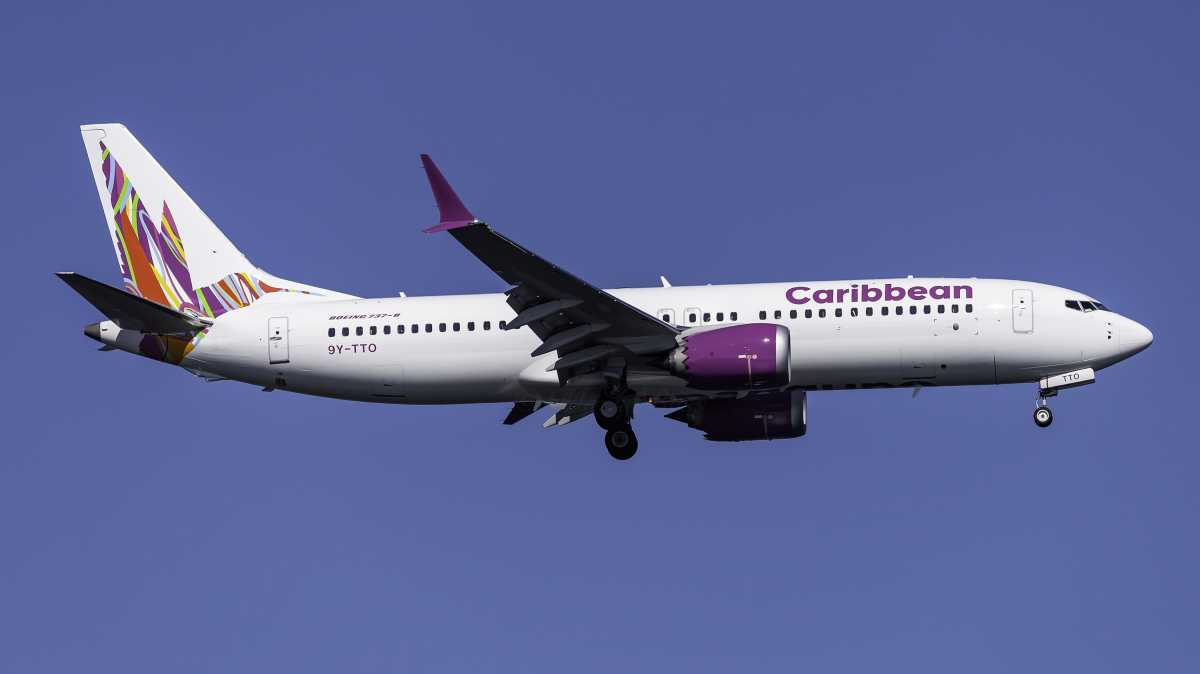
Caribbean Airlines Ltd (CAL) will cut several routes and reduce flights starting June 1 in an effort to reduce financial losses.
The airline will stop operating in Dominica and St Kitts, discontinue the non-stop Guyana–Suriname service, and reduce flights to Martinique and Guadeloupe from four times weekly to twice weekly.
According to Transportation and Civil Aviation Minister, Eli Zakour, these routes had collectively recorded significant losses by April 2026. The move reverses CAL’s Eastern Caribbean expansion launched in 2023 under the previous government and board.
“While the stated objectives of strengthening regional connectivity, supporting tourism, and facilitating trade were sound in principle, the projections underpinning route selection, market sizing, and financial assumptions supporting that expansion have since proven significantly different than the actual market conditions,” the minister said.
Zakour said the government created a routes oversight committee last year to review Caribbean Airlines’ route performance and profitability. The review found that several routes introduced during the airline’s 2023 expansion lacked strong commercial justification and caused ongoing financial losses.
As part of efforts to improve the airline’s network, CAL had already ended the Jamaica–Fort Lauderdale route in November 2025 and the Trinidad–Puerto Rico route in January 2026. These routes reportedly generated major losses, contributing to a combined total loss of US$18.84 million, or more than TT$128 million, by April 2026.
“The discontinuation and service adjustments to the routes will allow these losses to be converted into operational savings and improved financial stability,” said the minister.