In the month of March annually, there are several disability-themed observances, including Developmental Disabilities Awareness Month (DDAM). One type of developmental (physical) disability is Cerebral Palsy (CP), which affects the part of the brain that controls muscle movement and is primarily diagnosed in young children. Another disability-themed observance in March is Cerebral Palsy Awareness Day, celebrated on March 25 annually. It has been 20 years since these observances were first celebrated.
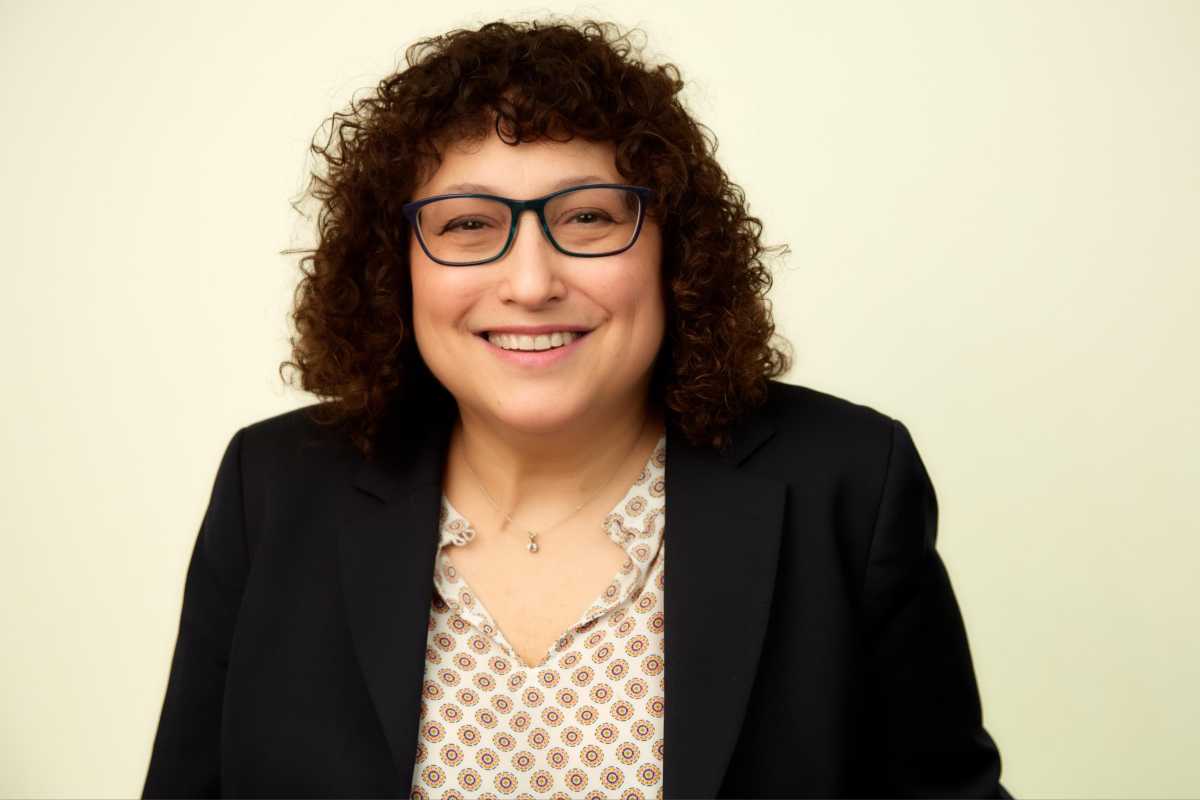
One individual who lives with CP is Ila Eckhoff. Eckhoff grew up in Merrick on Long Island, which is where she went to school. She has a brother who is six years older than her. Her mother passed away when she was 11. Her father later remarried and she has two younger half sisters.
She has lived with CP for most of her life, due to being born two months premature. At the age of two, she was walking around on her toes.
“Someone suggested to my parents that they should take me to a doctor to have that checked out,” she shared. “At around 2 and a 1/2 I was diagnosed with Cerebral Palsy and the surgical procedures began. I ultimately had 12 surgeries between the ages of 2-14.”
Eckhoff didn’t know what type of CP she had until she read a book, and in 2020, Rachel Byrne, the executive director of the CP Foundation (CPF) in NYC, told her she had spastic diplegia. According to the CP Foundation website, spastic is the most common type, and for Eckhoff this involves muscle stiffness that is predominantly in the legs, and the arms may be affected to a lesser extent.
“In the 1960’s and 70’s, doctors didn’t provide me with information about CP. I only knew that CP was what I had. The only books I could find on the subject were medical ones that I couldn’t understand. Doctors often didn’t or couldn’t respond to questions when I had complications from various procedures. We only discussed surgery, physical therapy, and recovery. It was a vicious cycle,” she added.
She currently lives in Manhattan in her own apartment.
“NYC provides me with the ability to remain independent for the rest of my life,” she said. “I love theatre and restaurants and all of the culture and entertainment that only NYC can provide. I have everything I need at my fingertips including the best healthcare; now that I have doctors connected to the Cerebral Palsy Foundation.”
She currently works at CPF as the chairwoman for its board of directors. Previously, Eckhoff worked at the investment company BlackRock, starting in 2000 as the director of derivative operations and a member of its investment operations team, until she retired in 2023 and immediately took over at CPF.
Byrne also shared details of some of the latest work CPF is doing.
“At the Cerebral Palsy Foundation, a lot of our recent work has focused on accelerating breakthroughs across prevention, early detection, treatment, and ultimately cure efforts for cerebral palsy — while ensuring that lived experience remains at the center of everything we do,” Byrne stated. “Too often, decisions about disability are made without people with disabilities at the table. One thing CPF is trying to change is making sure people with CP, families, caregivers, and self-advocates are helping shape research, healthcare conversations, education, advocacy, and policy.”
Earlier this year, the Foundation hosted its Breakthrough Summit, which brought together researchers, clinicians, people with lived experience, philanthropists, industry leaders, policymakers, and advocates from around the world.
According to Byrne, preparation for an event like that takes months of coordination and intentional planning, which includes identifying the right voices globally, ensuring accessibility and representation, creating meaningful scientific and policy discussions, and building opportunities for collaboration long after the event ends.
“The Summit was designed not just as a conference, but as a catalyst for action. We wanted to create an environment where experts in neuroscience, neonatology, rehabilitation, stem cell science, implementation science, disability rights, and public health could collaborate alongside people living with CP every day,” added Byrne. “We spent a significant amount of time making sure lived experience was embedded throughout the Summit — not added as an afterthought. One of the most powerful parts of the event was hearing directly from individuals with CP about the barriers they still face in healthcare, education, employment, accessibility, and adulthood. Those conversations are what continue to drive the organization forward.”
Byrne said a short-term goal CPF is focused on is improving quality of life for people with CP. She stated that this includes improving education for healthcare providers so people with CP are better understood and treated appropriately; expanding accessible resources through CPResource.org; and increasing awareness around adulthood and aging with CP.
Long term, Bryne shared that CPF wants to fundamentally change the trajectory of CP worldwide, and it wants to help create a world where people with CP are fully included, respected, and supported across every stage of life. According to her, this includes better healthcare systems, more accessible communities, and more disability representation in leadership and decision-making.
For Byrne, one of the biggest successes in running CPF has been seeing the team work hard to bring researchers, clinicians, advocacy groups, and people with lived experience together around shared goals, as they’ve historically always been separate.
Some of the most meaningful moments for her have come from hearing directly from people with CP about how important it is to finally feel seen and understood, especially adults, who’ve historically been overlooked.
“Some of the most memorable experiences have been meeting young adults with CP who are advocating for change, speaking openly about ableism, or sharing how exhausting it can be to navigate healthcare systems that do not fully understand disability,” Byrne said. “There are also incredibly joyful moments — seeing people with CP become leaders, athletes, artists, researchers, advocates, and professionals while challenging stereotypes about disability. Another major milestone has been helping elevate cerebral palsy onto larger public health and policy agendas through partnerships, collaboration, and awareness efforts.”
Additionally, Byrne said that combating ableism is a major part of CPF’s work, since a lot of people with CP grow up being underestimated or excluded, many who still experience barriers in healthcare, education, employment, transportation, and daily life. CPF does this directly through several of its programs including the Just Say Hi Program for schools, the Inclusion Matters training for partners, the Adult Preventative Healthcare Guidelines as well as the Mentorship Program.
On ensuring that services provided are beneficial to those with CP, Byrne said, “CPF works closely with people with lived experience when developing programs, resources, and initiatives. Those with cerebral palsy are represented at every level of our organization including in leadership at the board and scientific advisory level, across our team in leadership and driving forward our communications as well as programs. The goal is to build systems where people with CP are leading the conversation themselves.”
For Byrne, leading the Foundation right now means recognizing that people with CP deserve better systems, better healthcare, better opportunities, more representation, and it also means listening carefully.
“In New York especially, there is an opportunity to improve healthcare access, strengthen support systems, increase disability inclusion, and ensure people with CP are part of conversations that impact their future. The responsibility is not just about making decisions. It is about helping create a future where people with CP feel valued, included, and empowered,” continued Byrne.
Sharing what celebrating this joint milestone means to her as someone with CP, Eckhoff hopes that it means more doctors will be trained to treat patients with CP appropriately, as each case and person is different.
“Awareness is just the beginning,” Eckoff said. “We need more medical professionals in general to understand and treat people with disabilities and specifically with Cerebral Palsy better than they do today. Even in NYC. It is exhausting to have to explain my CP to almost every medical professional I have met over the course of my life and still today.”
One thing Byrne wants people with CP to know about CPF is that it’s trying to create change that’s grounded in real lived experience.
On the impact of CPF since she took over as executive director, Byrne explained, “The organization understands that cerebral palsy affects every part of a person’s life — healthcare, school, work, relationships, independence, mental health, and community participation. CPF is working to build stronger systems of support while also helping people feel more seen, informed, and connected. Through resources, partnerships, advocacy, education, and awareness efforts, the organization is trying to push the conversation beyond outdated stereotypes and toward inclusion, equity, and opportunity.”
Those interested in finding out more about the work CPF is doing and its programs can visit the Foundation’s website at: cerebralpalsyfoundation.org.