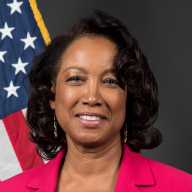
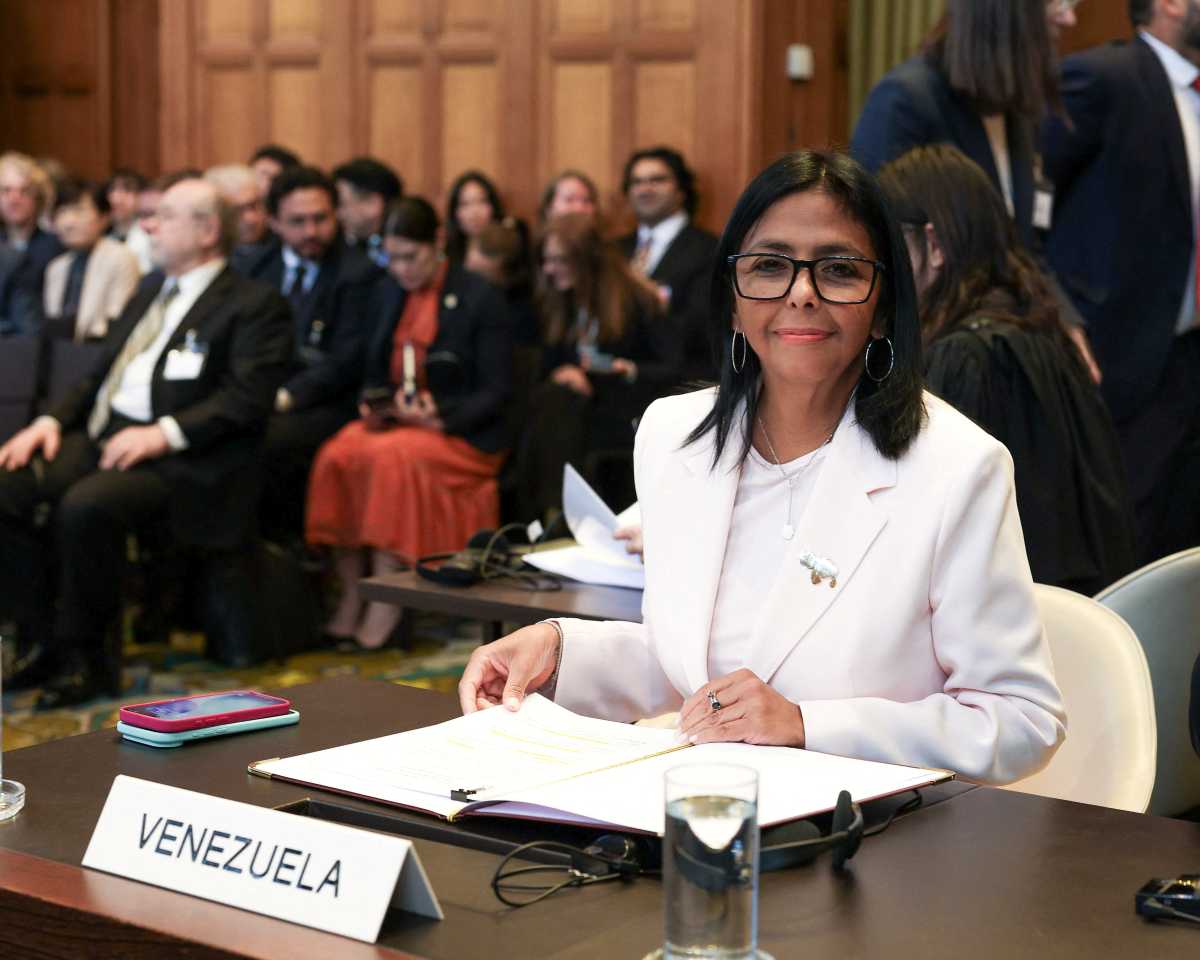
Based on Venezuelan statements to the World Court, the simmering border lines row between Guyana and Venezuela is expected to continue way after any court ruling, as Venezuela has vowed to ignore and disregard any legal victory handed to Guyana, SActing President Delcy Rodriguez told judges on Monday.
Addressing the court on its final day of oral hearings, President Rodriguez made it clear that Venezuela will continue to regard Guyana’s western Essequibo region as its own because an 1899 international arbitration panel had cheated it out of the area.
Saying it had grown tired of Venezuelan military harassment, Guyana had moved to the court in The Netherlands back in 2018 for a final settlement, but Venezuela is insisting that a 1966 agreement that had called for negotiations is the only means of settlement rather than the court. The panel is expected to hand down its ruling later this year or early next year.
“No judgment by this court on the territorial controversy will provide a definitive solution acceptable to both parties,” she said. “On the contrary, it will exacerbate the differences between the parties, and will lead the parties to entrench themselves in their respective positions, distancing them from the practical, satisfactory and mutually acceptable settlement to which they committed in 1966 by signing the Geneva agreement.”
She argued that any “such judgment may conclude the case, but it will not put an end to the territorial dispute,” appearing to signal Venezuelan fears of a ruling in Guyana’s favor.
The two sides have been at loggerheads for decades, but tensions have increased exponentially — especially since Guyana found world class deposits of offshore oil and gas in 2015. Its eastern neighbor has ramped up its aggression against Guyana. In March of last year, a military vessel sailed into the middle of an oil field operated by US supermajor ExxonMobil, ordering the firm to abandon production and exploratory drilling. The order was promptly ignored.
Three years ago, Venezuelan authorities organized a referendum with one of the five questions asking voters not to recognize the 1899 settlement, a move that Guyana had roundly condemned.
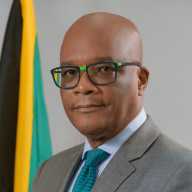
Reacting to Monday’s presentation by Delcy Rodriguez, Guyanese Attorney General Anil Nandlall said the country is more than ever certain the court will rule in its favor because Spain, Venezuela’s colonial era power, had never had any jurisdiction over Guyana. The Dutch did.
“Guyana is more confident than ever that the court will uphold the legal validity of the unanimous Arbitral Award of 3 October 1899 as the final, definitive and permanent lawful boundary between Guyana and Venezuela,” Nandlall said in a statement from The Netherlands. “Disputes between states must be resolved peacefully, finally, and in conformity with international law. They must not be allowed to fester indefinitely. They must never be resolved by threat or use of military force.”
He argued that Venezuela’s presentations to the court exposed “the lack of merit in Venezuela’s arguments both on the facts and on the law,” describing its claim as antiquated, but he scoffed at the Venezuelan position that it will not accept or recognize any ruling in Guyana’s favor.
“Guyana has pledged repeatedly, including at these oral hearings, that it will abide by the court’s judgment, whatever it may be, but we have heard the statements of Venezuela’s representatives at these hearings, including today, that they do not accept the ICJ’s jurisdiction and will not abide by its rulings,” Nandlall added.