Also scarce are associations with past pagan rituals, the arrival of spring, or bizarre religious traditions on the first day of the fifth month.
Aimed directly at protesting against billionaires, inequality, low wages, authoritarianism, inflation from the war in Iran, and President Donald Trump, nationwide protest demonstrations will usher in the new month.
However, instead of focusing on immigration, ICE, and numerous domestic issues, workers’ rights prioritize a global replacement to the unofficial holiday.
“As working people, we must come together,” Shawn Fain, president of the United Auto Workers, said. “We can no longer allow corporations, politicians, and borders to divide us.”
“Workers over billionaires” theme’s advocacy focuses on tackling corporate greed and ensuring Labor rights over corporate interests.
According to historical data, the change from previous celebrations can be traced to the late 19th century, when a movement in the Midwest demanded an eight-hour workday by May 1, 1886.
The bold proposition prompted strikes across the nation.
A bomb also exploded, causing multiple people to lose their lives.
From then on, commemoration of the dastardly deed took precedence, with the American Federation of Labor issuing a proclamation.
Chicago was at the epicenter of the protest movement, but Californians now rank highest in honoring the decree.
Of major concern is the disproportionate distribution of income between workers and employees.
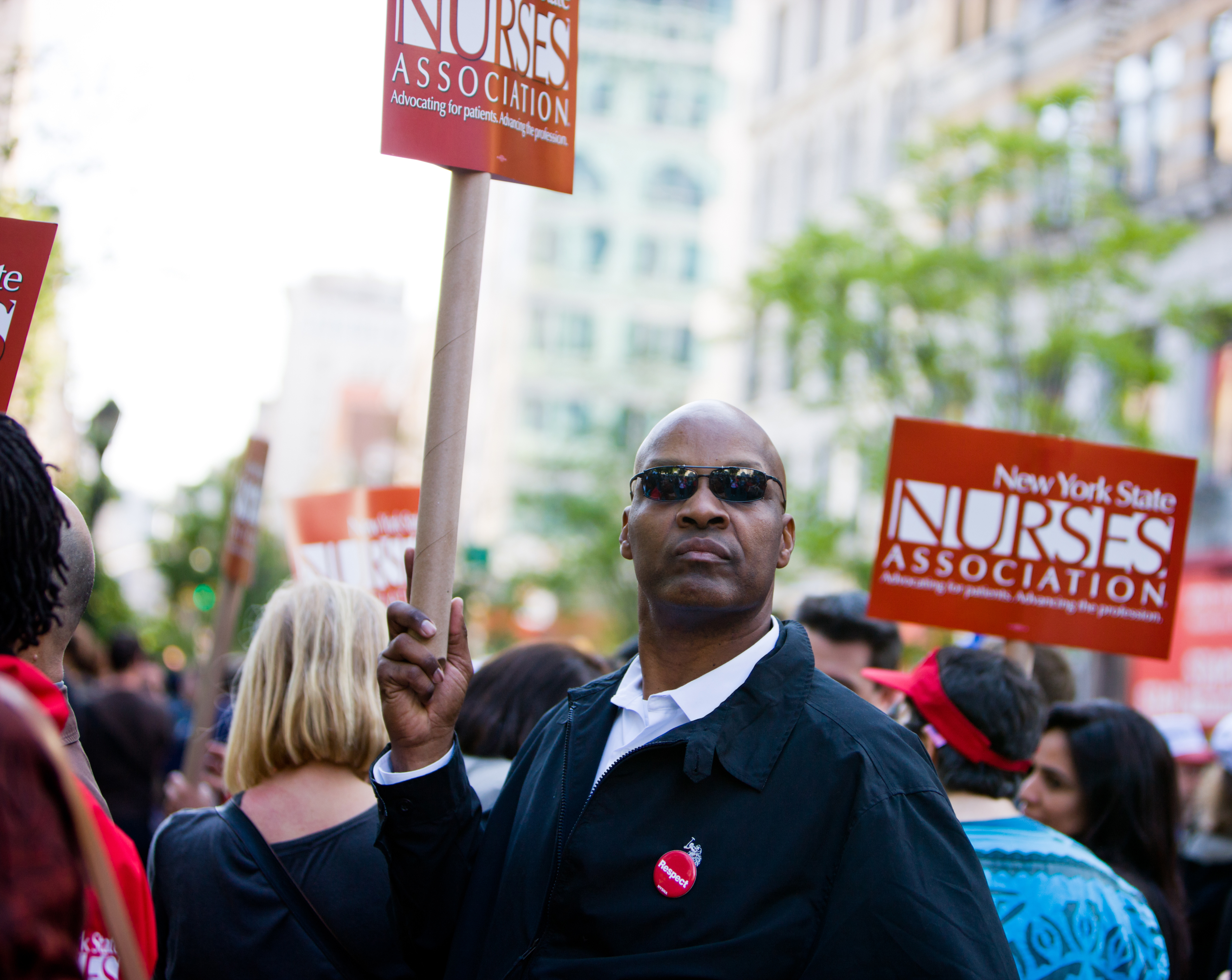
Another march and rally has been organized by the New York State Nurses Association at 5 p.m.
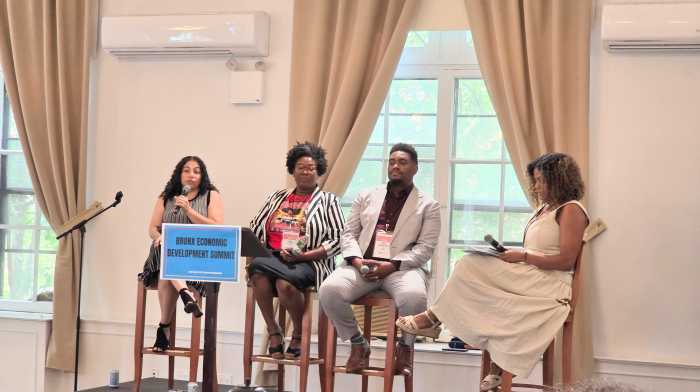
And Black New Yorkers plan to rally against fraudulent deed profiteers who acquire homes from unsuspecting owners.
However, caution is being encouraged that no strikes have been called, and bad behavior will be discouraged.
In addition, peaceful protests will be welcomed.
For more information, check the web portals for nearby May Day events.Literary Quarterly seeks Black Panamanian perspectives.Charles Henry Rowell, founder and editor-in-chief of Callaloo, invites Black Panamanian creative writers to submit manuscripts not exceeding 6,000 words for publication in a special section dedicated to Isthmians of color.
“I, like you, come from a people who have fought — and continue to fight — in a long struggle,” the Alabama-born southerner said.
“I know that we must not merely survive; we must triumph.”
“The ancestors do not expect anything less.”To that end, the poet, scholar, and cultural critic (who is neither Panamanian nor diasporan) is offering his journal as a platform for Caribbean cultural expression.
Callaloo compiles African diasporic creativity.Presented in various formats — magazines, visual arts, community forums, and workshops — numerous iterations have evolved since Rowell conceived the enlightening medium in 1976.
Reputed as a reliable glossary connecting literary veterans with beginning writers, Rowell’s brainchild has expanded its reach by headlining conferences in London, England, Canada, and the Caribbean.
According to the enterprising, trailblazing submissions for entry to the special feature should incorporate book reviews, poetry, short stories (fiction or non-fiction), essays, and novels.
The section title “Black Panama – A People in Transit” will again be published by Johns Hopkins University Press.
Callaloo is acclaimed as “the longest-running African-American literary magazine.”
Wikipedia lavished platitudes on the publication and, in addition to listing intellectuals who have contributed to its success, also credits the medium with “sponsoring upcoming writers.”
All works will be guest edited by Darrel Alejandro Holnes and contributing editor Syanna Figueroa Bennett.
The deadline is midnight July 15, and submissions should be addressed to info@callalooliteraryjournal.com with the subject line “Black Panama Special Section.”
Catch you On the Inside!